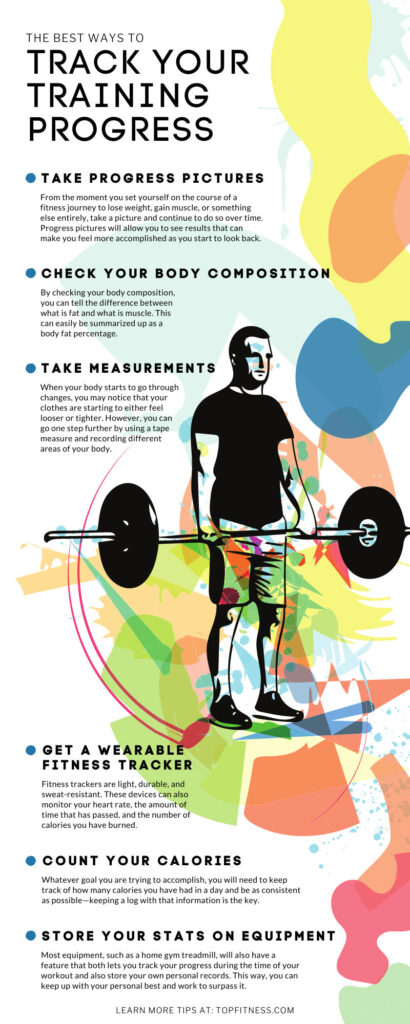
Have you ever felt that despite all your hard work at the gym, you aren’t seeing the progress you hoped for? It’s a common experience, and it can be incredibly frustrating. But here’s the good news: understanding and tracking your fitness progress can lead to better results and keep you motivated. Let’s break down some effective ways to monitor your journey so you can see the tangible benefits of your fitness efforts.

Why Tracking Fitness Progress is Essential
Tracking your progress isn’t just about vanity; it’s about validating your hard work and staying on the right path. Recording your journey can help you identify what works, what doesn’t, and adjust your routine accordingly. Moreover, it can offer you motivation and encouragement when you see how far you’ve come.
Motivation and Accountability
When you document your progress, you create a visual map that shows where you started and how far you’ve come. This visual evidence can be a powerful motivator and can boost your confidence. Seeing improvement can also evoke a sense of accountability, pushing you to stick to your fitness plan.
Identifying Trends
Regularly tracking your progress allows you to notice patterns and identify what contributes to your success or what’s holding you back. If you experience a plateau, for instance, your tracking records might help pinpoint the cause, whether it’s related to diet, sleep, or your exercise regimen.
Personalization and Adjustment
Tracking helps you make necessary adjustments to personalize your fitness plan. Maybe your body responds better to certain exercises, or perhaps your diet needs tweaking. Recording these details facilitates a more tailored approach to your fitness journey.
Methods to Track Fitness Progress
There are various ways to track your fitness progress, each with its unique benefits. The method you choose depends on your goals, preferences, and lifestyle.
Using a Fitness Journal
A fitness journal can be a powerful tool for tracking your progress. In a journal, you can record your workouts, diet, sleep, and other relevant metrics. Writing things down can help you commit to your goals and reflect on your journey.
Tips for Keeping a Fitness Journal
- Consistency: Write regularly, whether it’s daily or weekly.
- Detail: Note down specifics like weight lifted, repetitions, sets, duration, or distance.
- Review: Periodically go through past entries to gauge progress and make adjustments.
Digital Apps and Wearables
Technology has made it easier than ever to track fitness progress. Many apps and wearables can log your workouts, track your diet, monitor your sleep, and more.
Benefits of Digital Tracking
- Automation: Many apps and devices automatically record stats, reducing the chance of human error.
- Analytics: Digital tools often offer comprehensive analytics to help you understand your progress.
- Accessibility: Access your data anytime, anywhere.
Photographic Evidence
Sometimes seeing is believing. Regular photos can provide a stark contrast and vivid visual confirmation of your progress. This method is particularly useful for tracking body composition changes that might not reflect on the scale.
How to Take Effective Progress Photos
- Consistency: Take photos at regular intervals, such as once a week or month.
- Conditions: Use the same lighting, location, and clothing each time.
- Angles: Capture multiple angles for a complete view.
Measuring Body Metrics
Body metrics can provide objective data about your physical changes. Common measurements include weight, body fat percentage, and circumferences of various body parts.
Common Body Metrics to Track
| Metric | Description |
|---|---|
| Weight | Track using a reliable scale, preferably at the same time of day. |
| Body Fat Percentage | Measure using body fat calipers or a smart scale. |
| Circumferences | Measure waist, hips, chest, arms, and thighs. |
Performance Metrics
If your goals are more performance-oriented, track improvements in strength, endurance, flexibility, and speed.
Examples of Performance Metrics
- Strength: Monitor the weight you lift for various exercises in the gym.
- Endurance: Record how long you can maintain a certain pace or activity.
- Flexibility: Assess your range of motion in different exercises.
- Speed: Note improvements in your running or swimming times.
Combining Multiple Methods
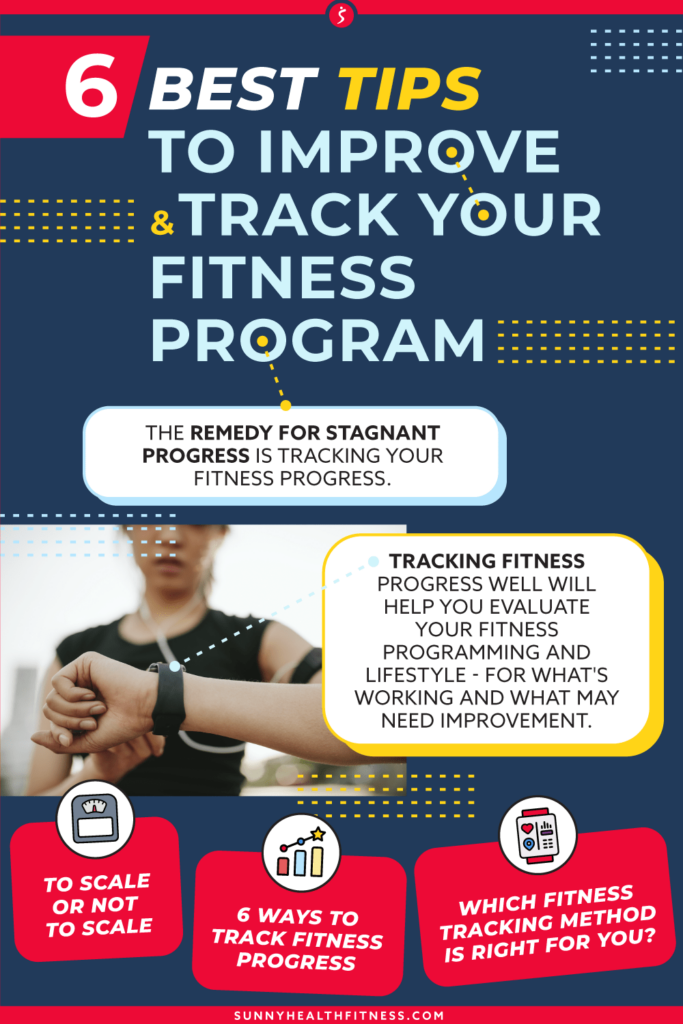
Using a combination of tracking methods can give you a more complete and accurate picture of your progress. For example, combining weight scales with photos and performance metrics can provide context and detail that one method alone might not.
Creating a Comprehensive Tracking System
- Select Primary Metrics: Choose the most important metrics aligned with your goals.
- Complementary Methods: Pair primary metrics with others for a fuller picture.
- Regular Reviews: Consistently review your data to make informed adjustments.
Dealing with Plateaus and Setbacks
Plateaus and setbacks are a natural part of any fitness journey. How you handle them can make the difference between giving up and pushing through.
Understanding Plateaus
A plateau occurs when you no longer see progress despite continued effort. It’s a common and often frustrating experience. The key to overcoming a plateau is understanding its cause and adapting your plan.
Common Causes of Plateaus
- Routine: The body adapts to repetitive routines, reducing their effectiveness.
- Nutrition: Changes in diet or insufficient nutrition can impede progress.
- Recovery: Inadequate rest and recovery can lead to stagnation.
Strategies to Overcome Plateaus
- Vary Your Routine: Incorporate new exercises or modify your current regimen.
- Nutritional Adjustments: Evaluate and adjust your diet to support your goals.
- Rest and Recovery: Ensure you’re getting enough sleep and rest days.
Handling Setbacks
Setbacks can be discouraging, but they are also an opportunity to learn and grow. Whether it’s an injury, illness, or a personal crisis affecting your routine, it’s essential to stay flexible and positive.
Tips to Manage Setbacks
- Stay Positive: Focus on what you can control and the progress you’ve already made.
- Modify Goals: Adjust short-term goals to accommodate your current situation.
- Seek Support: Don’t hesitate to reach out to friends, family, or fitness professionals for support.

Monitoring Non-Physical Indicators
Physical metrics are crucial, but other indicators can provide valuable insights into your fitness journey. Mental and emotional well-being, sleep quality, and energy levels are equally important.
Mental and Emotional Well-being
Your mental and emotional health can significantly impact your fitness progress. Monitoring these can help you maintain a balanced approach to health.
How to Track Mental and Emotional Well-being
- Mood Journals: Record your mood and emotions daily.
- Stress Levels: Note stress triggers and their impact on your workout performance.
- Motivation Levels: Track days when you feel motivated versus discouraged.
Sleep Quality
Sleep is integral to recovery and overall health. Poor sleep can hinder your progress and affect your performance.
Methods to Track Sleep Quality
- Sleep Journals: Record hours of sleep, interruptions, and overall quality.
- Sleep Apps: Use apps that monitor sleep cycles for detailed insights.
- Wearables: Devices such as smartwatches can provide comprehensive sleep data.
Energy Levels
Your energy levels throughout the day can reflect the effectiveness of your training and diet. Higher, consistent energy levels often indicate good fitness and health.
Tracking Energy Levels
- Daily Logs: Note your energy levels at different times of the day.
- Correlation Analysis: Compare your energy levels with exercise intensity, duration, and diet.
The Role of Diet in Tracking Progress
Diet plays a pivotal role in your fitness journey. What you eat directly impacts your energy levels, recovery, and overall performance.
Nutritional Tracking
Keeping a food diary can help you understand your eating habits and how they affect your fitness goals.
Tips for Effective Nutritional Tracking
- Detail: Include portion sizes, ingredients, and time of consumption.
- Honesty: Be honest about what you eat, even on cheat days.
- Adjustments: Evaluate and tweak your diet based on your nutritional needs and goals.
Macronutrients and Micronutrients
Understanding and balancing macronutrients (carbohydrates, proteins, fats) and micronutrients (vitamins, minerals) is essential for optimal performance and recovery.
Adjusting Macronutrients for Goals
- Weight Loss: Focus on a balance of lean proteins, healthy fats, and complex carbs.
- Muscle Gain: Increase protein intake to support muscle synthesis.
- Maintenance: Aim for a balanced intake that supports energy and recovery.

Seeking Professional Guidance
Sometimes, seeking professional help can significantly enhance your tracking and overall fitness journey. Fitness professionals can offer personalized plans and insights that you might not achieve on your own.
Personal Trainers
A personal trainer can provide structured workout plans, monitor your progress, and make necessary adjustments to ensure continuous improvement.
Benefits of Working with a Personal Trainer
- Expertise: Trainers have extensive knowledge in fitness and nutrition.
- Customization: They create personalized programs tailored to your goals and needs.
- Accountability: Regular sessions keep you accountable and motivated.
Nutritionists and Dietitians
Nutritionists and dietitians can help create meal plans that align with your fitness goals, ensuring you get the right nutrients to support your training.
How Nutritionists and Dietitians Can Help
- Meal Planning: Develop plans that cater to your dietary preferences and restrictions.
- Nutritional Education: Teach you how to make healthier food choices.
- Ongoing Support: Provide support and adjustments as your needs evolve.
Final Thoughts
Tracking your progress is a crucial aspect of any fitness journey. By maintaining detailed records through various methods, you can stay motivated, identify trends, and make informed adjustments. Whether you prefer traditional journaling or digital tracking, visual evidence through photos, or professional guidance, the key is consistency and dedication. Understanding that plateaus and setbacks are normal will help you stay resilient and focused on long-term success. Remember, your fitness journey is unique, and tracking your progress helps you tailor it to your specific goals and needs. Stay committed, keep tracking, and watch as your hard work transforms into tangible results.