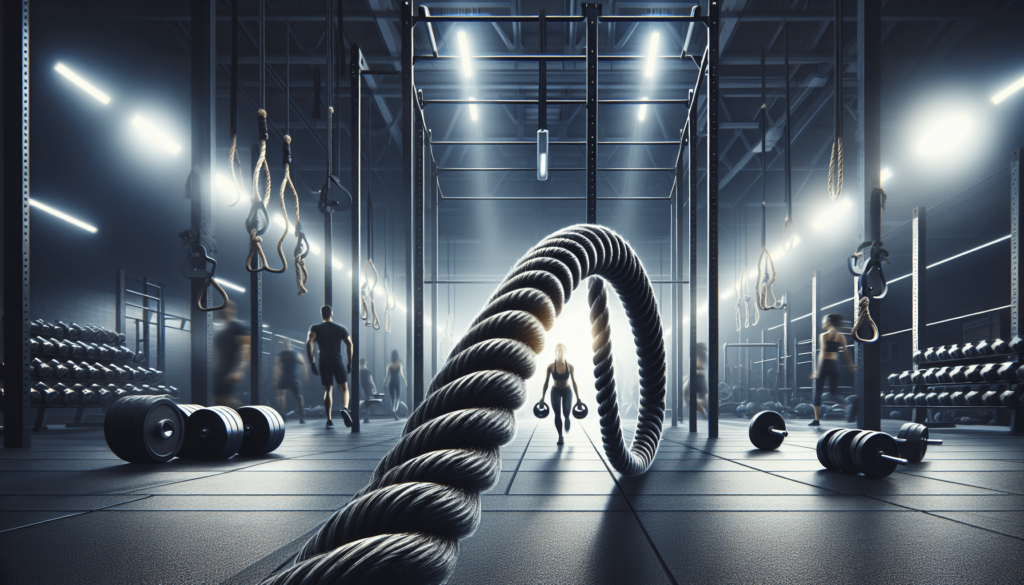
Have you ever wondered how you can ramp up your workout routine with something that’s versatile, functional, and incredibly effective? If you haven’t tried using a battle rope yet, you’re in for a treat. Battle ropes have gained immense popularity for their capacity to deliver a full-body workout, targeting multiple muscle groups while also improving cardiovascular fitness and endurance. If you’re looking for a way to spice up your exercise regimen, consider the battle rope your new best friend.

What Is A Battle Rope?
Battle ropes, also known as heavy ropes or battling ropes, are long, heavy ropes typically anchored at the center. They allow for a wide array of movements, which can be tailored to suit beginners and seasoned athletes alike. The ropes usually range from 30 to 50 feet in length and have diameters between 1.5 to 2 inches.
Why Use A Battle Rope?
Battle ropes offer a variety of benefits beyond what you might get from traditional gym equipment:
- Full-Body Workout: Unlike exercises that isolate specific muscles, battle rope workouts recruit muscles from head to toe.
- Cardiovascular Fitness: Continuous movement keeps your heart rate up, making it an excellent cardio workout.
- Improved Coordination: The dynamic movements help enhance coordination and body awareness.
- Versatility: You can use ropes for different types of exercises—waves, slams, and pulls.
- Low Impact: While challenging, these exercises are generally easier on the joints compared to running or jumping.
Preparing For A Battle Rope Workout
Before you start, it’s essential to prepare adequately to get the most out of your battle rope workout.
Choosing The Right Rope
Rope length and diameter can make a significant difference in your workout:
- Length: Longer ropes (50 feet) offer more fluid, full-range movements and are more challenging. Shorter ropes (30 feet) are easier to control and better suited for beginners.
- Diameter: Thicker ropes (2 inches) require a stronger grip and more upper-body strength. Thinner ropes (1.5 inches) are easier to handle and better for quick movements.
Proper Setup
Anchoring the rope securely is crucial. Find a solid anchor point—most gyms have dedicated stations, but you can also use a tree, heavy gym equipment, or specialized anchor kits at home. Ensure the ropes are evenly aligned to prevent uneven wear and to maintain balance during exercises.
Warm-Up
Skipping a warm-up can lead to injuries. A good warm-up boosts blood flow and prepares your muscles for the workout ahead.
- Jump Rope: 5-10 minutes to get your heart rate up.
- Dynamic Stretches: Focus on your arms, shoulders, and legs.

Fundamental Battle Rope Exercises
Let’s go over some key exercises, their benefits, and how to perform them correctly.
Double Wave
This is often the go-to exercise for beginners and offers a great introduction to battle rope workouts.
How to do it:
- Stand with feet shoulder-width apart, knees slightly bent.
- Grip the ends of the rope.
- Using your arms, create simultaneous waves with both ropes.
Benefits:
- Boosts cardiovascular fitness.
- Enhances shoulder and arm strength.
Alternating Wave
Similar to the double wave, this exercise involves alternating movements to get the rope into a wave pattern.
How to do it:
- Stand with feet shoulder-width apart.
- Grip the ends of the rope.
- Lift one arm while lowering the other, creating alternating waves.
Benefits:
- Improves coordination.
- Targets biceps, triceps, and shoulders.
Battle Rope Slams
This exercise is excellent for releasing pent-up energy and offers a robust full-body workout.
How to do it:
- Start with feet shoulder-width apart.
- Grip the ends of the rope.
- Lift both ropes overhead and slam them onto the ground forcefully.
Benefits:
- Engages core and legs.
- Improves explosive power and cardiovascular conditioning.
Battle Rope Circles
This exercise adds an extra dimension to your battle rope workout by incorporating rotational movements.
How to do it:
- Stand with feet shoulder-width apart.
- Grip the ends of the rope.
- Move both arms in a circular motion—either inward or outward.
Benefits:
- Strengthens shoulders and arms.
- Enhances rotary core strength.
Advanced Battle Rope Exercises
Once you’re comfortable with the basics, you can challenge yourself with more advanced exercises for even better conditioning.
Side-to-Side Waves
This exercise requires a bit more coordination and adds a dynamic twist to the traditional wave movements.
How to do it:
- Stand with feet shoulder-width apart.
- Grip the ends of the rope.
- Swing both ropes from one side to the other in a fluid, sweeping motion.
Benefits:
- Enhances lateral body movement.
- Targets obliques and shoulders.
Battle Rope Snakes
This exercise offers a unique way to work on your lateral muscles.
How to do it:
- Stand with feet shoulder-width apart.
- Grip the ends of the rope.
- Drag the ropes side to side in a serpentine motion.
Benefits:
- Engages the lateral muscles and core.
- Improves flexibility and coordination.
Reverse Lunge With Rope Slams
Adding a reverse lunge to the rope slams makes for an intense full-body workout.
How to do it:
- Stand with feet shoulder-width apart.
- Grip the ends of the rope.
- Perform a reverse lunge while simultaneously slamming the ropes down.
Benefits:
- Strengthens legs and glutes.
- Improves balance and coordination.

Sample Battle Rope Workout Plan
If you’re unsure where to start, this beginner to intermediate workout plan can help you get the ball rolling.
Beginner Routine (15-20 minutes)
| Exercise | Sets | Duration |
|---|---|---|
| Double Wave | 3 | 30 sec |
| Rest | – | 30 sec |
| Alternating Wave | 3 | 30 sec |
| Rest | – | 30 sec |
| Battle Rope Slams | 3 | 20 sec |
| Rest | – | 40 sec |
| Battle Rope Circles | 3 | 30 sec |
Intermediate Routine (30-40 minutes)
| Exercise | Sets | Duration |
|---|---|---|
| Side-to-Side Waves | 3 | 30 sec |
| Rest | – | 30 sec |
| Battle Rope Snakes | 3 | 30 sec |
| Rest | – | 30 sec |
| Reverse Lunge With Rope Slams | 3 | 20 sec |
| Rest | – | 40 sec |
| Alternating Wave | 3 | 30 sec |
| Rest | – | 30 sec |
| Double Wave | 3 | 30 sec |
Maximizing Your Battle Rope Workout
Combine With Other Exercises
While battle ropes are fantastic on their own, incorporating them into a broader exercise routine can yield even better results. Pair your battle rope exercises with bodyweight movements, kettlebell workouts, or plyometric exercises to create a balanced fitness program.
Monitor Progress
Keep a workout journal to track your progress. Note the duration, intensity, and any improvements in performance. This will help you stay motivated and make necessary adjustments to your routine.
Focus On Form
Good form is crucial to preventing injuries and maximizing your workout. Always engage your core, keep your back straight, and ensure your movements are controlled and deliberate.
Cool Down
After an intense workout session, a proper cool down helps in muscle recovery and flexibility. Spend 5-10 minutes stretching the major muscle groups.

Tips For Beginners
Start Slow
It’s easy to get excited and go all out, but starting at a slower pace helps your body adapt and prevents injuries. Begin with shorter sessions (10-15 minutes) and gradually increase the duration and intensity.
Use Proper Grip
Grip the rope firmly but don’t strain your hands. Your grip should be strong enough to control the rope but relaxed enough to prevent hand fatigue.
Stay Consistent
Consistency is key to seeing progress. Aim for at least 3 sessions per week to start noticing improvements in strength, endurance, and overall fitness.
Listen To Your Body
Pay attention to how your body feels during and after workouts. If you experience unusual pain or discomfort, take a break and consult a healthcare professional if necessary.
Conclusion
Battle ropes are a highly effective tool for achieving full-body conditioning. Their versatility allows for a wide range of exercises that can target various muscle groups while also improving cardiovascular fitness. Whether you’re a beginner or an advanced athlete, adding battle rope workouts to your fitness regimen can lead to incredible gains in strength, endurance, and overall health. So, are you ready to pick up the ropes and take your workouts to the next level? Happy training!