
Have you ever wondered which workout routine is best for your specific fitness goals? Whether you’re aiming to lose weight, gain muscle, or improve overall health, selecting the right workout plan can seem daunting. With so many programs out there, it’s easy to feel overwhelmed and unsure of where to start.
Understanding Your Fitness Goals
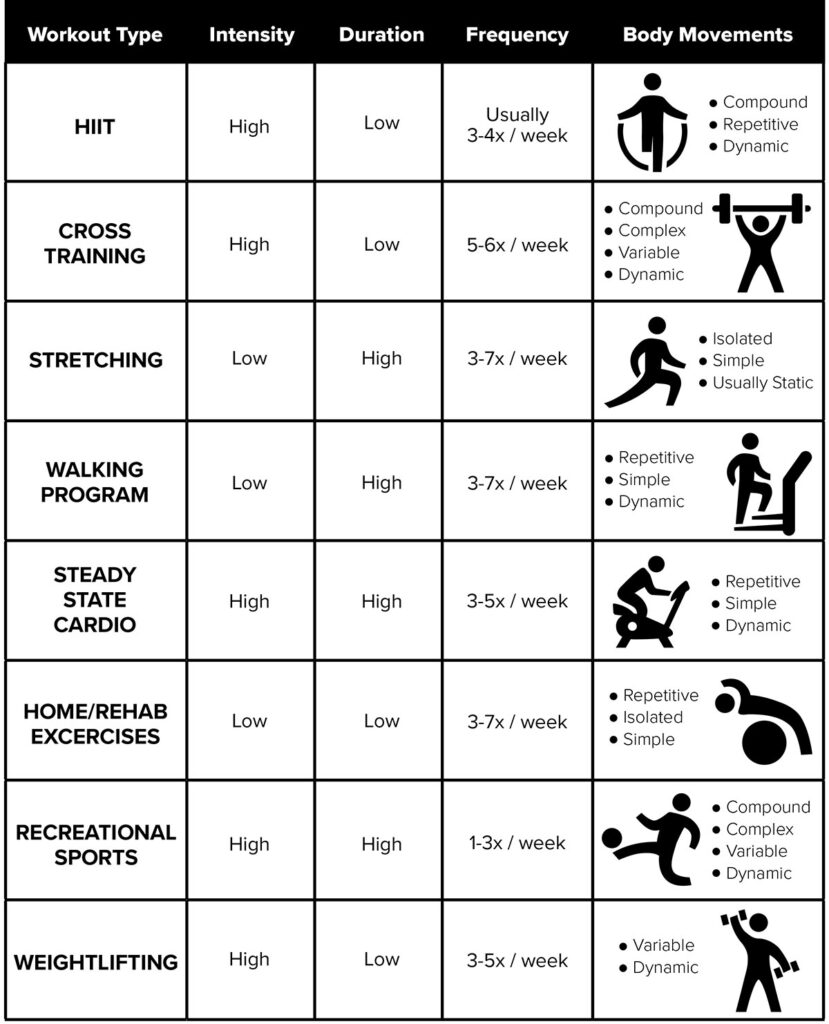
The first step in choosing the best workout routine is identifying what you want to achieve. Are you looking to build strength, increase endurance, lose weight, or improve flexibility? Understanding your primary objective will help you filter through the myriad of options and find a routine tailored to your needs.
Common Fitness Goals
Different fitness goals demand different workout approaches. Here’s a quick breakdown:
| Fitness Goal | Description |
|---|---|
| Weight Loss | Focuses on burning calories and fat. Often includes cardio and HIIT. |
| Muscle Gain | Emphasizes resistance training and progressive overload. |
| Endurance Building | Targets cardiovascular health and stamina. Involves long-duration workouts. |
| Flexibility | Aims to improve the range of motion with stretching and yoga exercises. |
| General Fitness | A balanced approach, incorporating aspects of all fitness types. |
Setting SMART Goals
Creating SMART (Specific, Measurable, Achievable, Relevant, Time-bound) goals can help you track progress and stay motivated. For example, instead of saying “I want to get fit,” specify “I want to lose 10 pounds in three months by exercising five times a week.”
Types of Workouts
Once you’ve set your goals, it’s time to understand the different types of workouts and how they align with your fitness objectives.
Cardiovascular Workouts
Cardio exercises, such as running, cycling, or swimming, are excellent for boosting cardiovascular health, burning calories, and increasing endurance. If your primary goal is weight loss or improving heart health, incorporating regular cardio sessions is crucial.
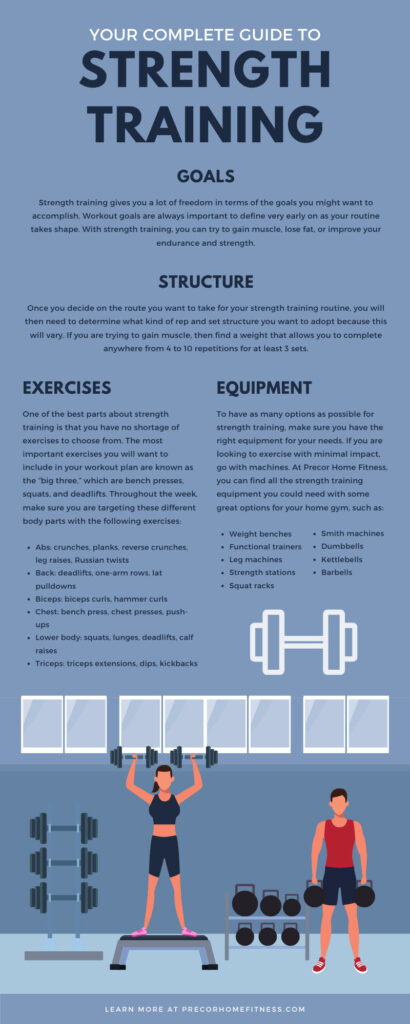
Strength Training
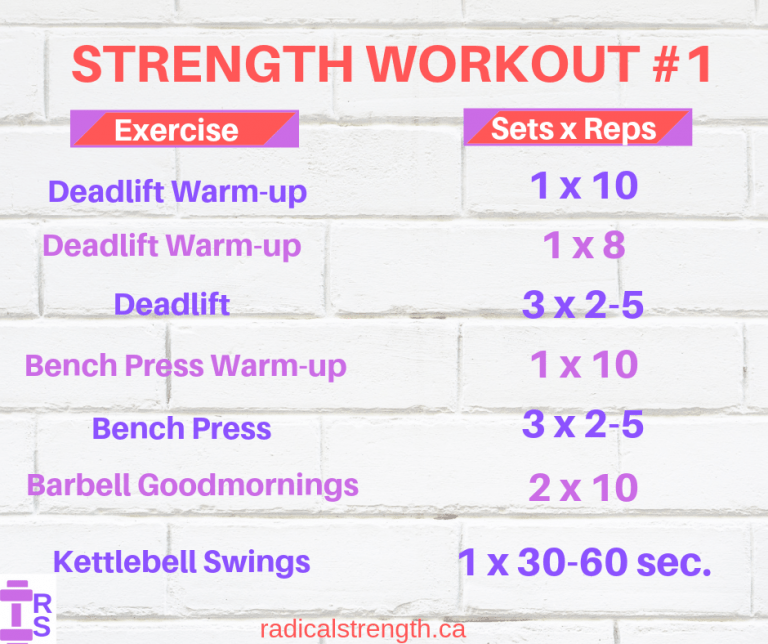
Strength training involves exercises like weight lifting, bodyweight workouts, and resistance band activities designed to increase muscle mass and strength. Ideal for muscle gain, these workouts also boost metabolism, contributing to fat loss over time.
High-Intensity Interval Training (HIIT)
HIIT workouts alternate between short bursts of intense exercise and brief rest periods. This style of workout is efficient for burning fat, improving cardiovascular fitness, and building muscle endurance.
Flexibility and Mobility Exercises
Exercises focused on flexibility and mobility, like yoga and Pilates, enhance range of motion and prevent injuries. They are essential for maintaining balance, posture, and overall mobility.
Hybrid Workouts
Hybrid routines combine multiple types of exercises, offering a balanced approach that can cater to multiple fitness goals simultaneously. These can include CrossFit, circuit training, or functional fitness regimes.
Matching Workouts to Your Goals
Based on your primary fitness goal, here are some recommendations for structuring your workout routine.
For Weight Loss
A successful weight loss routine combines cardio with strength training to maximize calorie burn and muscle maintenance. Consider the following weekly structure:
| Day | Workout Type |
|---|---|
| 1 | Cardio (e.g., running, cycling) |
| 2 | Strength Training (full-body) |
| 3 | HIIT |
| 4 | Rest or light activity (walking) |
| 5 | Cardio (e.g., swimming, rowing) |
| 6 | Strength Training (full-body) |
| 7 | Rest |
For Muscle Gain
Focusing on resistance training with target muscle groups on different days promotes optimal muscle growth. Here’s a sample routine:
| Day | Workout Type |
|---|---|
| 1 | Upper Body (chest, shoulders) |
| 2 | Lower Body (legs, glutes) |
| 3 | Rest or active recovery (yoga) |
| 4 | Upper Body (back, biceps) |
| 5 | Lower Body (hamstrings, calves) |
| 6 | Core and stabilization |
| 7 | Rest |
For Endurance Building
Endurance routines emphasize longer, less intense sessions to build stamina. Here’s an example:
| Day | Workout Type |
|---|---|
| 1 | Long-distance running/cycling |
| 2 | Strength Training (light weights, high reps) |
| 3 | Rest or light activity (walking) |
| 4 | Long-distance swimming |
| 5 | Interval training |
| 6 | Yoga or Pilates |
| 7 | Rest |
For Flexibility
To improve flexibility, dedicate most of your workout time to stretching and mobility exercises:
| Day | Workout Type |
|---|---|
| 1 | Yoga session |
| 2 | Stretching routine |
| 3 | Pilates |
| 4 | Rest or light activity (walking) |
| 5 | Yoga session |
| 6 | Mobility exercises (dynamic stretching) |
| 7 | Rest |
For General Fitness
A balanced approach looking to improve various aspects of health would mix different types of workouts throughout the week:
| Day | Workout Type |
|---|---|
| 1 | Cardio (moderate intensity) |
| 2 | Strength Training (full-body) |
| 3 | HIIT |
| 4 | Yoga or stretching |
| 5 | Cardio (high intensity) |
| 6 | Strength Training (split routine) |
| 7 | Rest or light activity (walking) |
Structure and Plan Your Routines
Now that you’ve identified the types of workouts that align with your fitness goals, it’s essential to structure your routines effectively.
Frequency and Consistency
Consistency is key in any workout routine. Determine how many days a week you can realistically commit to exercise without overwhelming yourself. Most fitness goals can be met with 3-5 workout sessions per week.
Progressive Overload
To continuously improve, apply the principle of progressive overload, which involves gradually increasing the intensity, duration, or frequency of your workouts. For instance, if you’re lifting weights, aim to increase the load or the number of repetitions over time.
Rest and Recovery
Incorporating rest days is crucial for preventing burnout and allowing your body to recover. Listen to your body and adjust your routines accordingly. Overtraining can lead to injuries and setbacks.
Nutrition and Hydration
Your exercise routine will only be as effective as your diet and hydration levels. Synchronize your nutrition with your workout goals for optimal results.
Macronutrient Breakdown
Tailoring your macronutrient intake to your fitness goals can significantly enhance your progress:
| Fitness Goal | Protein | Carbohydrates | Fats |
|---|---|---|---|
| Weight Loss | High | Moderate to low | Low to moderate |
| Muscle Gain | High | High | Moderate |
| Endurance Building | Moderate | High | Low to moderate |
| Flexibility | Moderate | Moderate | Low to moderate |
| General Fitness | Balanced | Balanced | Balanced |
Staying Hydrated
Ensuring adequate hydration is essential for maintaining energy levels and promoting recovery. Aim to drink plenty of water throughout the day, especially before, during, and after your workouts.
Monitoring Progress and Adjusting Your Routine
It’s important to track your progress and be willing to adjust your routine as needed. Regularly assessing how your body responds to various exercises can help you fine-tune your workouts for better results.
Keeping a Fitness Journal
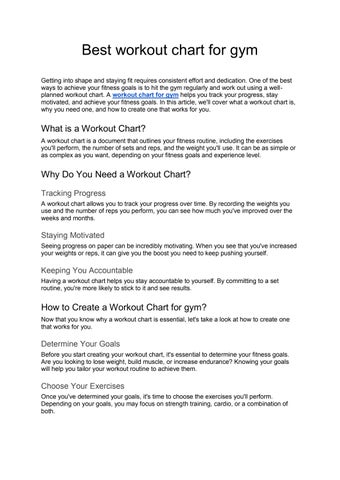
Document your workouts, noting the exercises, sets, reps, weights, and how you felt during each session. This practice can highlight what’s working and where adjustments might be needed.
Regular Assessments
Periodically reassess your fitness level through goals you’ve set. Whether it’s a body composition analysis, strength tests, or endurance trials, regular assessments can provide valuable feedback.
Making Adjustments
Based on your progress, tweak your workout routine to avoid plateaus. Adjust the intensity, introduce new exercises, or diversify your routines to continue advancing toward your fitness goals.
Staying Motivated
Sustaining motivation over the long term can be challenging, but there are strategies to help keep you on track.
Setting Mini-Goals
Breaking your main goal into smaller, more manageable steps can make the journey less daunting and provide regular satisfaction as you achieve each milestone.
Finding a Workout Buddy
Exercising with a friend can add an element of accountability and make your workouts more enjoyable. A workout buddy can provide support and motivation, helping you stay on track.
Celebrating Small Wins
Acknowledge and celebrate your progress, no matter how small. Celebrating your achievements can bolster your motivation and renew your commitment.
Overcoming Common Obstacles
Every fitness journey encounters obstacles. Identifying these potential roadblocks in advance will help you navigate them more effectively.
Time Management
Lack of time is a common barrier to regular exercise. Overcome this by scheduling workouts like appointments and finding time-efficient routines, such as HIIT.
Lack of Equipment or Access to a Gym
You don’t need fancy equipment or a gym to stay fit. Home workouts using bodyweight exercises or minimal equipment, like resistance bands, can be highly effective.
Plateaus in Progress
Fitness plateaus are a natural part of any long-term regimen. Break through them by varying your workouts, increasing intensity, or trying new exercises.
Injuries and Setbacks
Injuries can be disheartening, but they don’t have to derail your progress completely. Focus on recovery and adjust your workouts to stay active without aggravating your injury.
Conclusion
Selecting the best workout routine for your fitness goals is a personal journey that requires understanding your objectives, exploring different types of exercises, and tailoring your approach to match your needs. Stay consistent, monitor your progress, and be willing to make adjustments along the way. Balancing workouts, nutrition, and recovery is the key to achieving lasting success in your fitness journey. So, define your goals, craft your plan, and start on the path to a healthier, fitter you.