
Have you ever wondered how elite athletes always seem to hit their peak performance precisely at the right moments? A considerable part of the secret lies in advanced hydration strategies. Proper hydration isn’t just about drinking water; it’s about understanding your body’s needs and how to respond effectively. This guide will offer detailed insights into how you can optimize your hydration for maximum performance.
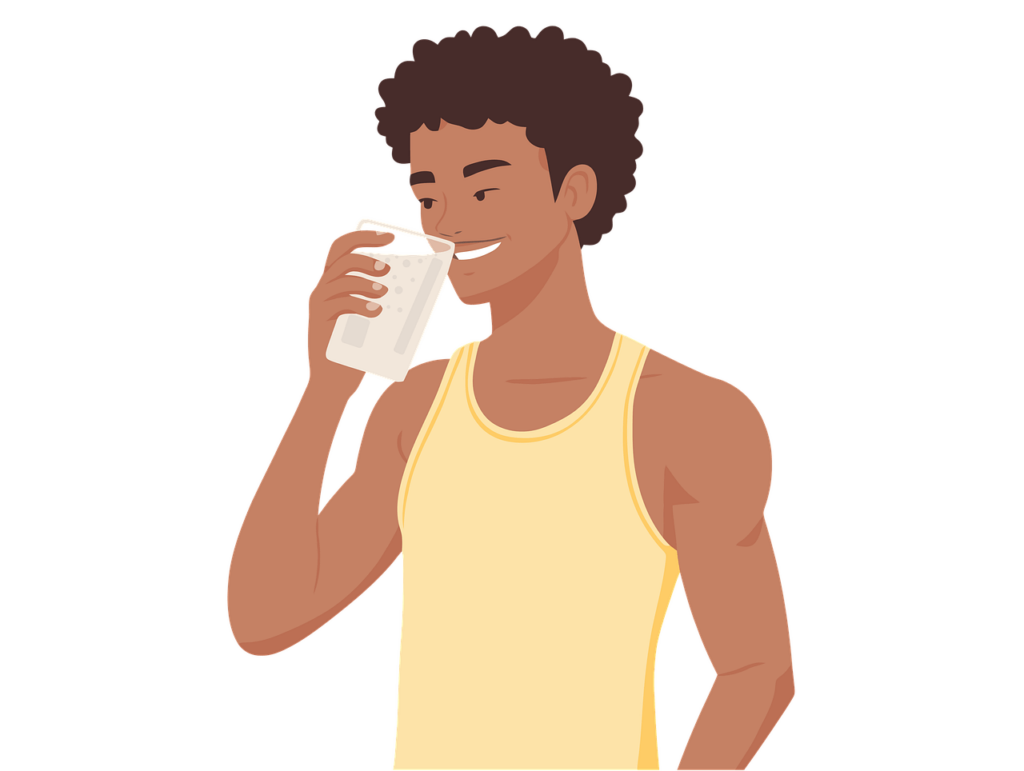
Understanding the Role of Hydration in Performance
Your body is primarily made of water — it’s a critical component of every cell. Hydration affects everything from muscle function to cognitive performance. When you’re well-hydrated, your heart doesn’t have to work as hard to pump blood, and your muscles can work more efficiently.
Cellular Function and Hydration
Every cell in your body relies on water to function. Adequate hydration helps cells maintain their structure and execute their tasks efficiently. Whether you’re running a marathon or engaging in a high-stakes meeting, being well-hydrated ensures that your cells can keep up with your demands.
Temperature Regulation
Hydration helps regulate body temperature through processes like sweating. If you’re dehydrated, your body struggles to maintain an optimal temperature, which can lead to overheating and decreased performance. This is particularly important in hot weather or during intense physical activities.
Joint Lubrication and Muscle Function
Water plays a crucial role in lubricating joints and helping muscles contract and relax efficiently. Dehydration can cause cramps and stiffness, significantly impairing your performance.
Basic Hydration Needs
Before diving into advanced strategies, it’s crucial to understand your basic hydration needs.
Daily Water Intake
While the “8×8 rule” (eight 8-ounce glasses of water a day) is a common guideline, individual needs can vary. Factors such as age, weight, gender, climate, and physical activity all play significant roles in determining how much water you need daily.
Signs of Dehydration
Recognizing early signs of dehydration can help you address the issue before it impacts your performance. Common symptoms include:
- Thirst
- Dry mouth
- Dark yellow urine
- Fatigue
- Dizziness
Addressing these signs promptly can help you stay on top of your game.
Advanced Hydration Techniques
Once you’ve mastered basic hydration, you can move on to advanced techniques designed to take your performance to the next level.
Pre-Hydration Strategies
Pre-hydration is the practice of ensuring you’re well-hydrated before engaging in prolonged physical activity. This technique helps create a “buffer” that can delay dehydration onset.
Pre-Hydration Timing
It’s generally recommended to start hydrating at least 2-3 hours before an event. Drink steadily rather than chugging large amounts at once. Here’s a simple guideline:
| Time Before Event | Amount of Water |
|---|---|
| 2-3 Hours | 500-600 ml |
| 20 Minutes | 200-300 ml |
Hydration During Activity
Maintaining hydration during physical activity is just as crucial as pre-hydration. However, hydration needs can vary based on the intensity and duration of the activity.
Electrolyte Balance
When you sweat, you lose not only water but also essential electrolytes like sodium, potassium, and magnesium. These are crucial for muscle function and overall performance. Consuming electrolyte-rich drinks can help maintain balance.
| Activity Duration | Hydration Strategy |
|---|---|
| Less than 1 Hour | Water |
| 1-2 Hours | Water + Electrolytes |
| More than 2 Hours | Electrolyte Drinks and possibly gels |
Post-Activity Hydration
Rehydration after physical activity helps you recover faster and prepare for the next challenge. It’s not just about drinking water but also about replenishing electrolytes and other vital nutrients.
Rehydration Formula
For effective rehydration, drink 1.5 times the amount of fluid lost during the activity. Weighing yourself before and after the activity can help you gauge how much water you’ve lost.
| Fluid Lost During Activity | Amount to Drink Post-Activity |
|---|---|
| 1 Pound | 24 Ounces (approx. 710 ml) |
Hydration for Different Types of Athletes
Different sports and activities have varying demands when it comes to hydration.
Endurance Athletes
For marathon runners or triathletes, hydration is crucial. These athletes often face prolonged exposure to physical exertion and varying environmental conditions, making an effective hydration strategy essential.
Strength Athletes
Weightlifters and bodybuilders need to maintain hydration to prevent muscle cramps and facilitate recovery. An appropriate amount of water helps maintain muscle efficiency and strength.
Team Sports
Players in sports like soccer or basketball have varying hydration needs. They should follow a comprehensive hydration plan that includes pre-hydration, hydration during breaks, and post-game rehydration.

The Role of Nutrition in Hydration
Nutrition and hydration are closely linked, and paying attention to both can optimize your performance.
Hydrating Foods
Certain foods are naturally hydrating and can contribute to your daily fluid intake. These include:
- Watermelon (92% water)
- Cucumber (95% water)
- Strawberries (91% water)
- Spinach (91% water)
Carbohydrate-Electrolyte Solutions
Drinks that combine carbohydrates and electrolytes can be particularly effective for endurance athletes. They help maintain energy levels while keeping the electrolyte balance.
Special Considerations
Everyone is unique, and factors such as age, gender, climate, and medical conditions must be considered when developing an advanced hydration strategy.
Age and Hydration
As you age, your body’s ability to conserve water decreases, your sense of thirst may diminish, and you may be at a higher risk for dehydration. Older athletes should pay closer attention to their fluid intake.
Climate and Hydration
Training in extreme weather conditions, whether hot or cold, can affect your hydration needs. Higher temperatures increase sweat loss, whereas cold weather can dull your sense of thirst, making it just as crucial to stay hydrated.
Monitoring and Measuring Hydration Levels
Understanding how to measure and monitor your hydration levels can help you stay ahead.
Urine Color Chart
A simple way to gauge hydration is through urine color. Ideally, your urine should be a pale yellow. Darker urine indicates dehydration.
| Urine Color | Hydration Level |
|---|---|
| Pale/Light Yellow | Well-Hydrated |
| Dark Yellow | Mild Dehydration |
| Amber/Brown | Severe Dehydration |
Advanced Monitoring Tools
Devices such as smart water bottles that track your intake and hydration monitoring systems can offer real-time data, helping you adjust your hydration strategy more accurately.
Practical Tips for Maintaining Hydration
Sometimes, small practices can make a significant difference in meeting your hydration needs.
Set Reminders
Busy schedules can make it hard to remember to drink water. Setting reminders on your phone or using hydration apps can help keep you on track.
Carry a Water Bottle
Always having a water bottle with you makes it easier to sip throughout the day. Consider using bottles with measurement markers to track your intake.
Listen to Your Body
Your body often tells you when you’re thirsty. Pay attention to these signals and drink accordingly.
Conclusion
Achieving peak performance requires more than just hard work and talent. It involves a strategic approach to something as fundamental as hydration. Whether you’re an endurance athlete, a strength trainer, or a team sport player, understanding and implementing advanced hydration techniques can significantly impact your performance. By mastering pre-hydration, hydration during activity, and post-activity rehydration, and by paying attention to individual needs and conditions, you’ll be well on your way to reaching your peak potential. Remember, proper hydration isn’t just about drinking water; it’s about adopting a holistic and strategic approach tailored to your unique needs.