Have you ever wondered how to naturally increase your energy levels simply through your diet? It’s a common question, especially in today’s fast-paced world where everyone is looking for that extra boost to get through their busy days. The good news is that what you eat can have a significant impact on your energy levels.

Understanding Energy Levels
Your energy levels are influenced by various factors, including your sleep quality, stress levels, and, of course, your diet. It’s essential to understand that energy is more than just the physical feeling of being awake; it’s also about having the mental stamina to tackle your daily tasks.
The Role of Nutrition in Energy
Nutrition is the cornerstone of your overall well-being, and it plays a huge role in your energy levels. Foods provide the macronutrients and micronutrients your body needs to function efficiently. By carefully selecting what you eat, you can ensure your body has the fuel it needs to keep you energized throughout the day.
Top Energy-Boosting Foods
Let’s dive into some specific food groups and items known to naturally boost energy levels.
Complex Carbohydrates
Carbohydrates are your body’s primary source of energy. However, not all carbs are created equal. Complex carbohydrates, such as those found in whole grains, beans, and vegetables, provide a steady supply of energy because they’re digested more slowly.
Examples of Complex Carbohydrates:
| Food Item | Benefits |
|---|---|
| Whole grains (oats, quinoa) | Provide fiber and sustained energy |
| Legumes (beans, lentils) | High in protein and slow-digesting carbs |
| Vegetables (sweet potatoes, carrots) | Nutrient-dense and high in fiber |
Incorporating Protein
Protein is essential for repairing tissues and maintaining muscle mass, which in turn helps you feel more energetic. It also plays a role in the production of neurotransmitters that keep you mentally sharp.
High-Protein Foods:
| Food Item | Benefits |
|---|---|
| Lean meats (chicken, turkey) | Provides essential amino acids |
| Fish (salmon, tuna) | High in omega-3 fatty acids and protein |
| Eggs | A complete source of protein |
| Plant-based proteins (tofu, tempeh) | Suitable for vegetarians and vegans |
Healthy Fats
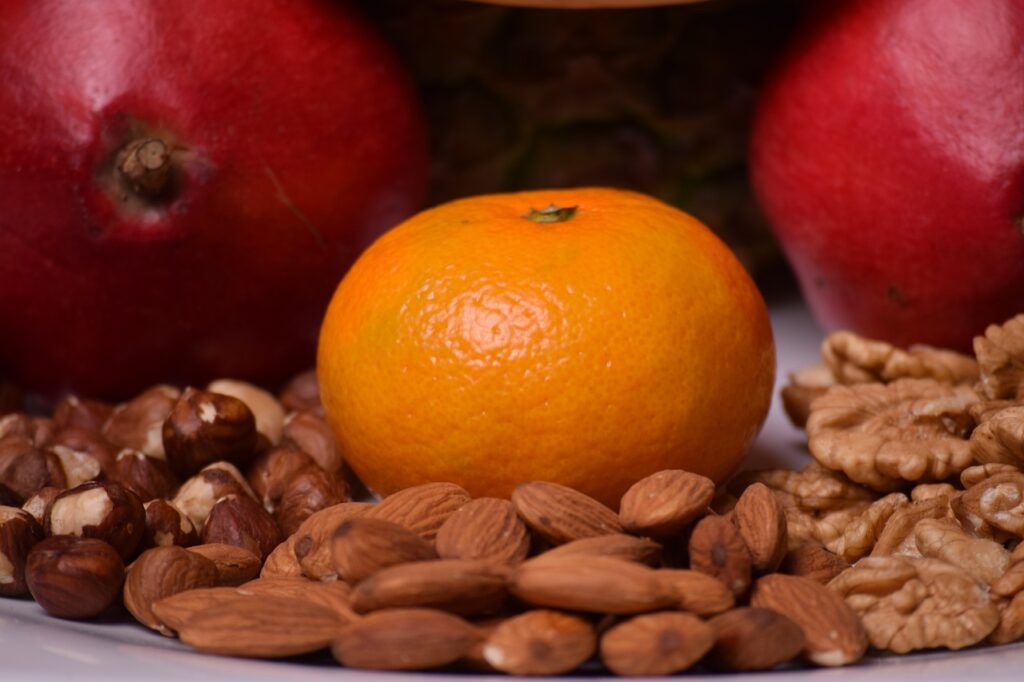
Not all fats are bad. Healthy fats, such as those found in nuts, seeds, and avocados, are essential for brain health and can provide a long-lasting source of energy.
Sources of Healthy Fats:
| Food Item | Benefits |
|---|---|
| Avocados | High in monounsaturated fats |
| Nuts (almonds, walnuts) | Rich in omega-3 and omega-6 fatty acids |
| Seeds (chia, flax) | Packed with fiber and omega-3 fatty acids |
| Olive oil | Known for its anti-inflammatory properties |
Importance of Hydration
Water is crucial for almost every function in your body, including energy production. Dehydration can make you feel fatigued and sluggish, so it’s vital to drink enough fluids throughout the day.
Hydration Tips:
- Aim to drink at least 8 glasses of water a day.
- Consume hydrating foods like cucumbers, oranges, and watermelon.
- Avoid excessive caffeine and alcohol as they can dehydrate you.

Vitamins and Minerals
Certain vitamins and minerals are particularly important for maintaining high energy levels.
B Vitamins
B vitamins, especially B12 and B6, are essential for energy production and brain function. They help your body convert food into energy and support red blood cell formation.
Foods High in B Vitamins:
| Food Item | Vitamin B Type |
|---|---|
| Eggs | B2, B5, B12 |
| Dairy products (milk, cheese) | B2, B12 |
| Leafy greens (spinach, kale) | B2, B6 |
Iron
Iron is crucial for oxygen transport in the blood. Without enough iron, you might feel tired and lethargic.
Iron-Rich Foods:
| Food Item | Benefits |
|---|---|
| Red meat | High in heme iron, easily absorbed by the body |
| Leafy greens (spinach) | Non-heme iron, best absorbed with vitamin C |
| Beans and lentils | Excellent plant-based iron sources |
Magnesium
Magnesium plays a role in converting food into energy. It’s also important for muscle function and relaxation.
Magnesium-Rich Foods:
| Food Item | Benefits |
|---|---|
| Nuts and seeds | Great source of magnesium and healthy fats |
| Whole grains | Provide fiber and various nutrients |
| Leafy greens | Packed with various vitamins and minerals |
Smart Eating Habits for Sustained Energy
Beyond individual foods, your eating habits also play a crucial role in maintaining energy levels.
Balanced Meals
Make sure your meals are balanced, combining carbohydrates, proteins, and fats. This balanced approach helps stabilize your blood sugar levels, providing sustained energy.
Meal Example:
- Breakfast: Oatmeal topped with fresh fruits and nuts
- Lunch: Quinoa salad with veggies and grilled chicken
- Dinner: Baked salmon with sweet potatoes and a side of steamed broccoli
Frequent Small Meals
Eating smaller, more frequent meals can keep your energy levels stable throughout the day. Large meals can lead to energy crashes, making you feel sluggish.
Snack Examples:
- A handful of nuts and dried fruits
- Greek yogurt with honey and berries
- Whole grain toast with avocado
Mindful Eating
Practicing mindful eating can help you better understand your body’s hunger and fullness cues, preventing overeating and energy slumps.
Tips for Mindful Eating:
- Take time to savor your food.
- Eat without distractions like TV or your phone.
- Listen to your body’s hunger and fullness signals.
Foods to Avoid for Higher Energy Levels
Just as certain foods can boost your energy, others can drain it. Being aware of these can help you make better dietary choices.
Refined Sugars and Carbohydrates
Foods high in refined sugars and carbohydrates can cause rapid spikes in blood sugar levels followed by sharp declines, leading to energy crashes.
Foods to Limit:
| Food Item | Reason |
|---|---|
| Sugary snacks (cookies, candies) | Quick spike in blood sugar followed by crash |
| White bread and pasta | Lack of fiber causes rapid digestion |
Caffeine and Energy Drinks
While caffeine can provide a temporary energy boost, it often leads to energy crashes later on. Energy drinks can be particularly problematic due to their high sugar content.
Processed Foods
Processed foods are typically high in unhealthy fats, sugars, and preservatives—all of which can contribute to sluggishness and fatigue.
Examples:
- Fast food meals
- Packaged snacks
- Pre-made meals with high sodium content
Supplements for Energy
While whole foods should be your primary source of nutrients, certain supplements can help fill in gaps and support your energy levels.
Multivitamins
A good multivitamin can help ensure you’re getting essential vitamins and minerals that might be lacking in your diet.
Omega-3 Supplements
If you’re not getting enough omega-3s from foods like fish, consider an omega-3 supplement to support brain health and energy levels.
Iron Supplements
If you’re low in iron, an iron supplement can help improve your energy levels. However, always consult your doctor before starting any new supplement.
Tailoring Your Diet to Your Lifestyle
Your dietary needs can vary based on your lifestyle, age, and activity level. It’s crucial to tailor your diet to meet your specific needs.
Active Lifestyle
If you lead an active lifestyle or are an athlete, you may need more carbohydrates and proteins to fuel your workouts and recover adequately.
Pre-Workout Snack:
- Banana with a tablespoon of peanut butter
Post-Workout Meal:
- Grilled chicken with quinoa and steamed vegetables
Age and Nutritional Needs
As you age, your nutritional needs may change. Older adults might need more calcium and vitamin D to maintain bone health, for example.
Calcium-Rich Snack:
- Greek yogurt with a drizzle of honey
Vitamin D Sources:
- Fatty fish like salmon or fortified dairy products
Conclusion
Maintaining high energy levels naturally through diet is entirely possible with the right choices. By incorporating complex carbohydrates, healthy fats, and proteins into your diet, alongside essential vitamins and minerals, you set yourself up for sustained energy throughout the day. Don’t forget to hydrate well and consider your specific lifestyle needs. Small changes in your eating habits can lead to significant improvements in your energy levels and overall well-being, empowering you to face each day with vigor.