
Have you ever wondered how you can take your flexibility to the next level? Flexibility is not just about being able to touch your toes or do a split; it’s a crucial component of overall physical health, especially as you age. From improving athletic performance to reducing the risk of injury and making everyday activities easier, flexibility offers numerous benefits.
In this guide, we’ll uncover advanced techniques for increasing your flexibility, dovetailed with scientific insights and practical tips you can incorporate into your routine. By the end of this guide, you’ll have a deeper understanding and actionable steps to enhance your flexibility effectively.

Understanding Flexibility
Flexibility refers to the ability of your muscles and joints to move through their full range of motion. It’s influenced by muscle length, joint structure, and connective tissue health. Before diving into advanced techniques, it’s essential to understand what flexibility is and why it’s important.
The Importance of Flexibility
Flexibility is more than just an element of physical fitness; it’s a cornerstone of overall well-being. Improved flexibility enhances muscle coordination, decreases the risk of injuries, and improves athletic performance. It can even help alleviate chronic pain.
Factors Impacting Flexibility
Several factors can impact flexibility, including age, sex, genetics, and physical activity levels. Knowing these can help you tailor your flexibility training to meet your individual needs.
Types of Stretching Techniques
Different stretching techniques serve various purposes, from warm-ups to recovery. By understanding each type, you can incorporate the right techniques at the right times.
Static Stretching
Static stretching involves holding a stretch for an extended period, typically between 15 to 60 seconds. This method helps lengthen muscles and improve range of motion.
Dynamic Stretching
Dynamic stretching utilizes movement-based stretches to prepare the muscles for activities. Unlike static stretching, dynamic stretching involves moving parts of your body and gradually increasing reach, speed of movement, or both.
PNF Stretching
Proprioceptive Neuromuscular Facilitation (PNF) is an advanced form of flexibility training that involves both stretching and contracting the muscle group being targeted. This method can dramatically improve flexibility and range of motion.

Advanced Stretching Techniques
Moving beyond basic stretching, advanced techniques can significantly enhance flexibility. These methods might require additional equipment or guidance but offer substantial benefits.
Active Isolated Stretching (AIS)
Active Isolated Stretching (AIS) involves holding each stretch for only two seconds and repeating it multiple times. This technique helps increase circulation and oxygen to the muscles, promoting longer-lasting flexibility.
Fascial Stretch Therapy (FST)
Fascia refers to the connective tissue encasing your muscles and organs. Fascial Stretch Therapy focuses on the fascia, which is often tighter and less flexible. This technique involves a certified therapist to help stretch and loosen your fascia.
Myofascial Release
Myofascial Release uses foam rollers, massage balls, or hands-on techniques to release tension in the myofascial tissues. This method can help unlock deeper layers of muscle tightness.
Flexibility Training Programs
Whether you’re a beginner or an advanced athlete, flexibility training programs can help you systematically increase your flexibility over time.
Yoga for Flexibility
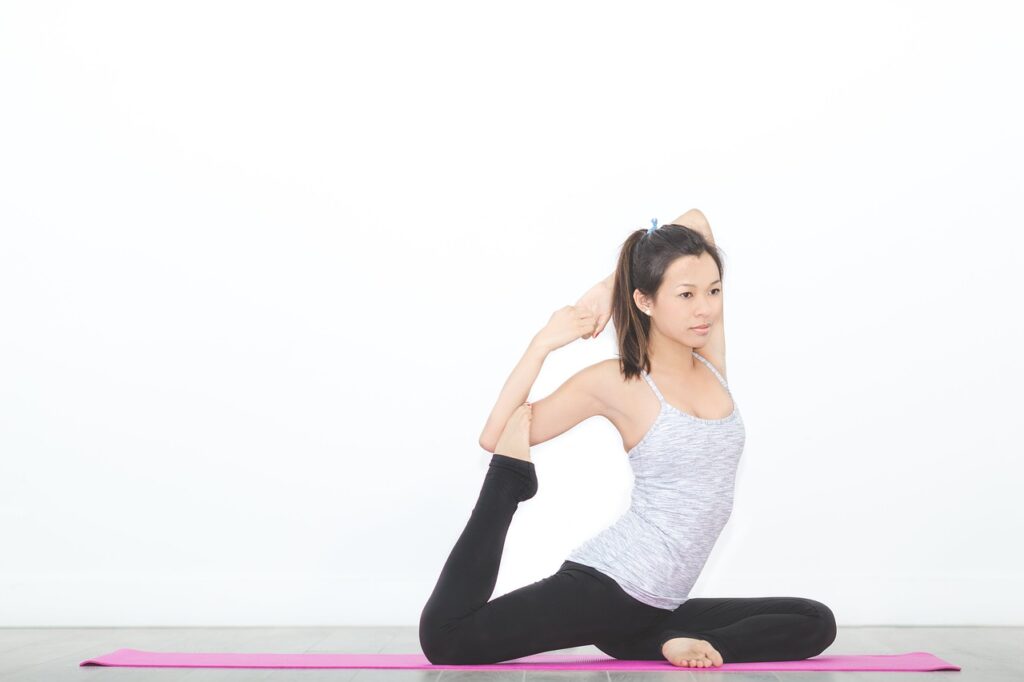
Yoga combines breath control, meditation, and movement to improve flexibility and strength. Different styles of Yoga, from Hatha to Vinyasa, offer various ways to enhance flexibility.
Pilates
Pilates focuses on core strength but also emphasizes flexibility. Using controlled movements and breath, Pilates can help improve muscle elasticity and joint mobility.
Dance-Based Flexibility Programs
Dance-focused flexibility programs often blend different stretching techniques with choreographed movements, offering a fun and effective way to improve flexibility.
Nutrition and Flexibility
Believe it or not, what you eat can impact your flexibility. Nutrition plays a role in muscle recovery, inflammation reduction, and overall muscle health.
Hydration
Staying hydrated keeps your muscles and connective tissues pliable. Dehydration can lead to muscle stiffness and reduced flexibility.
Anti-Inflammatory Diet
An anti-inflammatory diet rich in fruits, vegetables, lean proteins, and healthy fats can help reduce muscle stiffness and promote flexibility.
Supplements
Certain supplements, like Omega-3 fatty acids and Turmeric, are known to reduce inflammation and promote muscle recovery, aiding in flexibility improvements.
Incorporating Flexibility into Your Routine
Integrating flexibility exercises into your daily routine doesn’t have to be complicated. With some planning, you can seamlessly include these techniques into your existing workout regimen.
Designing a Flexibility Routine
Start with a balanced approach that includes different types of stretching techniques. Aim to incorporate flexibility exercises at least three times a week.
Stretching Before and After Workouts
Incorporate dynamic stretches before your workout to prepare your muscles and static stretches post-workout to aid in recovery.
Here’s a simple table for a balanced flexibility routine:
| Day | Morning Routine | Evening Routine |
|---|---|---|
| Monday | Dynamic Stretches | Static Stretches |
| Wednesday | PNF Stretching | Yoga |
| Friday | AIS Stretching | Myofascial Release |
Tailoring to Your Needs
Everyone’s body responds differently to flexibility training. Tailor your routine based on your specific goals, whether they are performance-oriented or general well-being.

Avoiding Common Pitfalls
Increasing flexibility takes time, and rushing the process can lead to injury. Here are some common pitfalls to avoid:
Overstretching
Pushing your body beyond its natural range of motion can cause injury. Listen to your body and avoid overstretching.
Ignoring Pain
While some discomfort is normal, pain is not. If you experience pain, stop immediately and consult a healthcare professional.
Inconsistency
Like any other fitness goal, consistency is crucial. An inconsistent routine won’t yield the results you’re aiming for.
Monitoring Your Progress
Tracking your progress helps you stay motivated and identify areas of improvement. Use these methods to measure your flexibility enhancements.
Flexibility Tests
Perform periodic flexibility tests to measure improvements. Common tests include the Sit-and-Reach test and Shoulder Flexibility test.
Progress Journals
Keeping a journal of your routines and progress can help you track changes over time and refine your flexibility training approach.

The Role of Professional Help
Sometimes, achieving your flexibility goals requires professional guidance. Don’t hesitate to seek advice from experts if needed.
Personal Trainers
A qualified personal trainer can develop a personalized flexibility regimen tailored to your specific needs and goals.
Physical Therapists
For those with chronic pain or injuries, a physical therapist can provide specialized techniques to improve flexibility while managing pain.
Certified Yoga Instructors
A certified yoga instructor can guide you through poses designed to enhance flexibility effectively, ensuring you’re practicing them correctly.
The Psychological Aspect of Flexibility
Mindset can play a significant role in achieving flexibility. Incorporating mental relaxation techniques can aid in your physical flexibility routine.
Mindfulness and Stretching
Practicing mindfulness during stretching can help your muscles relax more deeply, promoting better flexibility.
Visualization Techniques
Visualizing your muscles lengthening and becoming more flexible can create a more profound connection between your mind and body, enhancing the effectiveness of your stretching exercises.
Conclusion
Increasing your flexibility is not a one-size-fits-all process; it requires a tailored approach to meet your specific needs and goals. By incorporating advanced techniques like Active Isolated Stretching, Fascial Stretch Therapy, and Myofascial Release, along with regular flexibility routines and proper nutrition, you can significantly enhance your flexibility. Remember to stay consistent, avoid common pitfalls, and seek professional help if necessary. With patience and persistence, you’ll see improvements in your flexibility, contributing to your overall physical health and well-being.