
Have you ever wondered how to increase your flexibility as a beginner? Flexibility is a crucial aspect of overall fitness that ensures your muscles and joints move effectively through their full range of motion. Whether you’re aiming to touch your toes effortlessly or simply want to move more fluidly in your daily activities, starting your flexibility journey can be both fulfilling and fun.
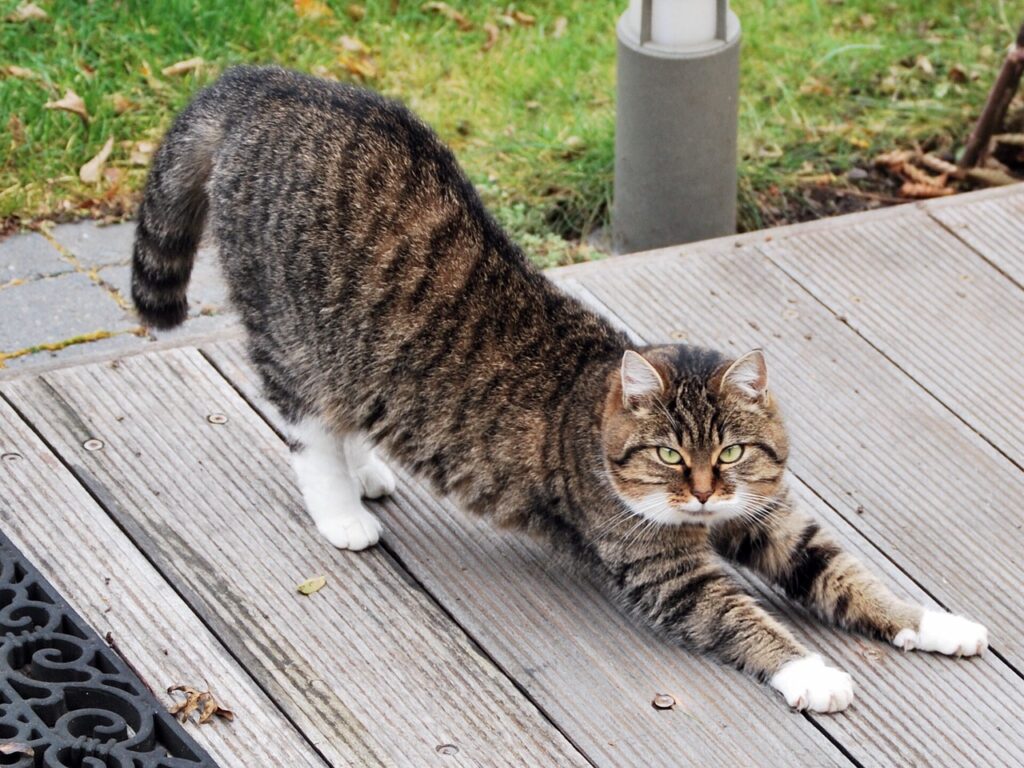
Why Flexibility Matters
Flexibility isn’t just about being able to do the splits or master a complicated yoga pose; it impacts your everyday life and overall well-being. Improved flexibility allows for better posture, reduced risk of injury, and enhanced physical performance in various activities.
Benefits of Flexibility
Flexibility offers numerous benefits that go beyond just physical fitness. Here are some of the key advantages:
- Reduced Risk of Injury: Flexible muscles and joints reduce the likelihood of strains and sprains.
- Improved Posture: Increased flexibility helps maintain proper alignment and posture.
- Enhanced Daily Tasks: Simple activities like bending, reaching, and twisting become easier.
Understanding Flexibility
Before diving into exercises, it’s essential to understand that flexibility varies from person to person. It can be influenced by factors like age, gender, genetics, and activity level. The muscles, tendons, and ligaments all play a role in your flexibility. Knowing this can set realistic expectations as you start your journey.
Getting Started with Flexibility Exercises as a Beginner
Starting with flexibility exercises might seem daunting but don’t worry; you can begin with simple routines that gradually build your range of motion. Here’s how to get started:
Warm-Up is Key
A good warm-up is the foundation of any exercise routine, including flexibility training. Warming up increases blood flow to your muscles, making them more pliable and less prone to injury.
Suggested Warm-Up Routine
| Exercise | Duration/ Repetitions |
|---|---|
| Gentle Jogging | 5 minutes |
| Arm Circles | 1 minute each direction |
| Leg Swings | 15 each leg |
| Hip Circles | 1 minute each direction |
Basic Stretching Techniques
When you’re new to flexibility training, start with basic stretches that target major muscle groups. The focus should be on gentle, static stretching, which involves holding a stretch for 15-30 seconds.
Simple Stretching Routine for Beginners
-
Hamstring Stretch:
- Sit on the ground with one leg extended and the other bent.
- Reach towards your foot of the extended leg.
- Hold for 20-30 seconds and then switch sides.
-
Quad Stretch:
- Stand on one leg and pull the other leg behind you by the ankle.
- Keep your knees close together and hold for 20-30 seconds.
- Switch sides.
-
Shoulder Stretch:
- Bring one arm across your body.
- Use the other arm to press gently against your elbow.
- Hold for 20-30 seconds and switch arms.
Incorporating Flexibility Routines into Your Lifestyle
Flexibility is best improved when stretching becomes a consistent part of your routine. Integrating stretches into your daily activities can make a significant difference over time.
Daily Stretching Plan
| Time of Day | Suggested Stretches | Duration |
|---|---|---|
| Morning | Full-body stretch | 5 minutes |
| During Work | Neck, shoulder, and wrist stretches | 5 minutes |
| Evening | Full-body stretch, focusing on tight areas | 10-15 minutes |
Using Props to Enhance Flexibility
Incorporating props like yoga straps, blocks, and foam rollers can substantially aid your flexibility. These tools help you achieve a deeper stretch safely and effectively.
Recommended Props
| Prop | Usage |
|---|---|
| Yoga Strap | Assist in stretches requiring longer reach |
| Foam Roller | Massage tight muscles and improve circulation |
| Yoga Block | Provide support in poses for better alignment |
Common Mistakes to Avoid
As you embark on your flexibility journey, it’s crucial to be mindful of common mistakes that can deter your progress or cause injury.
Pushing Too Hard
One of the most common mistakes is pushing yourself too hard too soon. This can lead to muscle strains and setbacks.
Ignoring Pain
Discomfort and slight tension during a stretch are normal, but sharp pain is a red flag. Always listen to your body and ease up if something feels wrong.
Inconsistent Stretching
Inconsistency is the enemy of progress in flexibility. Ensure you’re incorporating stretching into your routine regularly for the best results.

Tracking Your Flexibility Progress
Tracking your progress not only keeps you motivated but also helps you understand what works best for you. Keeping a flexibility journal can be very beneficial.
Flexibility Journal Example
| Date | Stretching Routine | Notable Changes/Improvements | Additional Notes |
|---|---|---|---|
| Jan 1, 2022 | Full-body stretching | Could touch toes for first time | Felt great afterwards |
| Jan 8, 2022 | Focus on hamstrings | Improved range of motion in legs | Remember to warm-up effectively |
Incorporating Yoga into Flexibility Training
Yoga can be a fantastic way to improve your flexibility while also benefiting your mental health. Various yoga poses target different muscle groups, helping you become more flexible and relaxed.
Beginner-Friendly Yoga Poses
Here are some beginner-friendly yoga poses that you can incorporate into your stretching routine.
-
Downward Dog:
- Start in an all-fours position.
- Lift your hips towards the ceiling, forming an inverted V shape.
- Hold for 15-30 seconds.
-
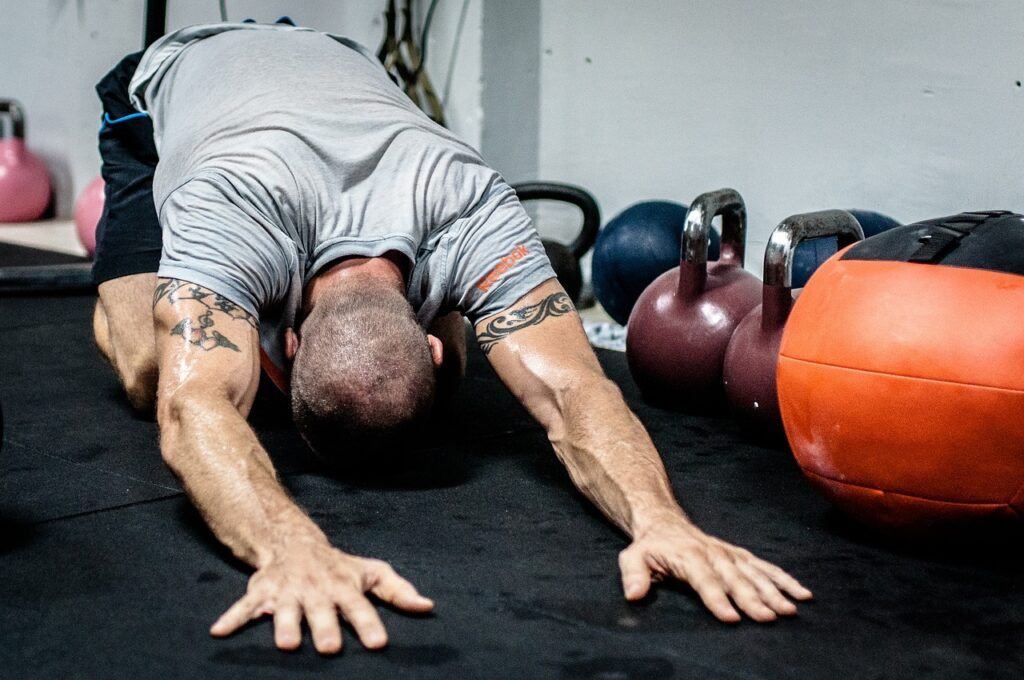
Child’s Pose:
- Kneel on the floor and sit back on your heels.
- Stretch your arms forward and bring your forehead to the ground.
- Hold for 15-30 seconds.
-
Seated Forward Bend:
- Sit with your legs extended in front of you.
- Reach forward towards your toes, keeping your back straight.
- Hold for 15-30 seconds.
The Importance of Consistency and Patience
Increasing flexibility is a gradual process that requires time and dedication. Being consistent and patient with your practice ensures that you make steady progress without risking injury.
Setting Realistic Goals
Setting short-term and long-term goals helps keep you motivated.
Example Goals
- Short-term: Touch toes within 2 weeks
- Long-term: Master the splits in 6 months
Flexibility and Nutrition
Believe it or not, your diet can also impact your flexibility. Proper nutrition helps maintain muscle health and hydration, both of which are crucial for flexibility.
Recommended Nutrients
| Nutrient | Food Sources | Benefits |
|---|---|---|
| Magnesium | Spinach, nuts, seeds | Muscle relaxation |
| Omega-3 Fatty Acids | Fish, flaxseeds, walnuts | Reduces inflammation |
| Water | Hydrating drinks, fruits, vegetables | Keeps muscles hydrated |
Flexibility and Age
Your age can affect your flexibility, but it’s never too late to start. Younger individuals generally find it easier to improve flexibility, but older adults can make significant progress with consistent practice.
Age-Specific Tips
| Age Group | Tips |
|---|---|
| Teenagers | Focus on dynamic stretches and involve in various activities |
| Adults | Incorporate a balanced mix of static and dynamic stretching |
| Seniors | Opt for gentle stretches and prioritize warm-up sessions |
Leg and Hip Flexibility
The legs and hips are crucial parts of the body that can impact your overall flexibility. A good range of motion in these areas enhances mobility and reduces strain on other parts of the body.
Effective Stretches for Legs and Hips
-
Hip Flexor Stretch:
- Kneel on one knee and place the other foot forward.
- Shift your weight forward until you feel a stretch in your hip.
- Hold for 20-30 seconds and switch sides.
-
Calf Stretch:
- Stand facing a wall with one foot in front of the other.
- Press your back heel down towards the floor.
- Hold for 20-30 seconds and switch sides.
The Role of Breathing in Flexibility
Proper breathing techniques can enhance your flexibility practice by helping you relax and deepen your stretches.
Breathing Tips
- Focus on Deep Breathing: Inhale deeply through the nose and exhale through the mouth.
- Synchronize Breathing: Match your breathing with your movements to enhance the effectiveness of each stretch.
Seeking Professional Guidance
Sometimes, having a professional guide can make a significant difference in your flexibility journey.
Benefits of Professional Guidance
- Customized Plans: Tailored flexibility programs to suit your needs.
- Expert Advice: Immediate feedback to correct form and prevent injury.
- Motivation: Ongoing support to keep you committed.
Conclusion
Increasing your flexibility as a beginner is a rewarding journey that offers numerous benefits. By incorporating a consistent routine, using the right props, avoiding common mistakes, and tracking your progress, you can achieve significant improvements. Remember, it’s essential to be patient and listen to your body. Flexibility training is not about how fast you can achieve your goals but how effectively and safely you can maintain them for a lifetime. No matter your age or starting point, everyone has the potential to improve their flexibility and, by extension, their overall quality of life. Happy stretching!