
Have you ever wondered how you can get fit without the need for expensive gym memberships or bulky equipment? If so, you’re in the right place. Bodyweight exercises are a versatile and effective way to improve your strength, flexibility, and overall fitness levels right from the comfort of your own home. This guide will provide you with all the information you need to get started with bodyweight exercises, including the benefits, types of exercises, and tips for creating a routine.
What Are Bodyweight Exercises?
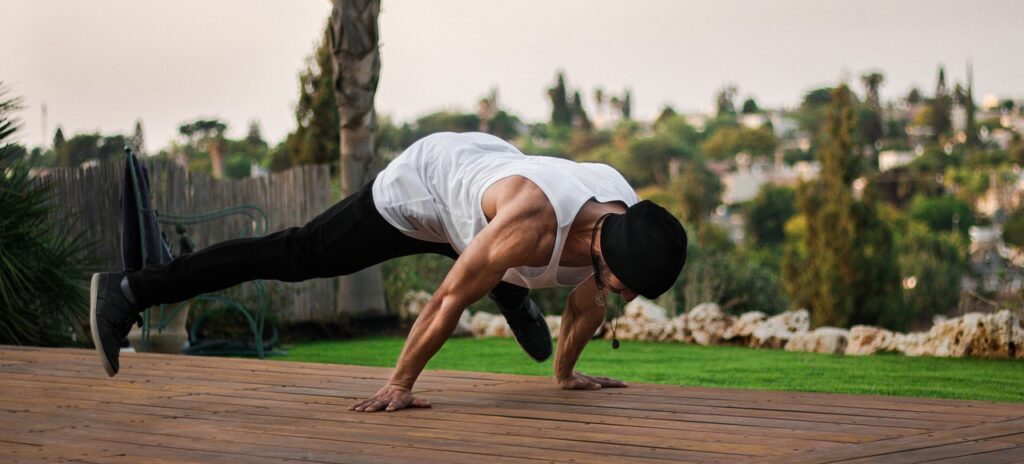
Bodyweight exercises are a form of strength training where you use your own weight as resistance. They can be performed anywhere, anytime, and require no special equipment. These exercises are perfect for beginners but can also be adjusted to challenge even the most seasoned athletes.
Benefits of Bodyweight Exercises
Bodyweight exercises come with a plethora of benefits, making them an excellent choice if you’re looking to enhance your fitness routine.
- Cost-Effective: Since no gym membership or expensive equipment is required, you save money in the long run.
- Convenience: These exercises can be performed anywhere—your living room, a hotel room, or the park.
- Improved Functionality: Bodyweight exercises target multiple muscle groups, improving your overall functionality and coordination.
- Scalability: You can easily modify these exercises to fit your fitness level, making them suitable for everyone.
Common Misconceptions
There are some common misconceptions about bodyweight exercises that might make you hesitant to give them a try.
- “They’re not challenging enough.” This couldn’t be further from the truth. By increasing the number of repetitions, changing the angle, or varying the pace, bodyweight exercises can be made incredibly challenging.
- “You can’t build muscle with bodyweight exercises.” While you may not bulk up like a bodybuilder, you can absolutely gain strength and muscle through consistent bodyweight training.
Types of Bodyweight Exercises
Let’s break down some basic types of bodyweight exercises to get you started.
Upper Body
Push-Ups
A classic exercise that targets your chest, shoulders, and triceps.
Steps:
- Begin in a plank position.
- Lower your body until your chest almost touches the floor.
- Push yourself back up to the starting position.
Different Variations:
- Standard Push-Up: Hands shoulder-width apart.
- Wide Push-Up: Hands placed wider apart.
- Diamond Push-Up: Hands closer together, forming a diamond shape with your thumbs and index fingers.
Pull-Ups
Primarily target your back, biceps, and shoulders.
Steps:
- Grab the pull-up bar with your palms facing away from you.
- Hang with your arms fully extended.
- Pull yourself up until your chin is above the bar.
- Slowly lower yourself to the starting position.
Different Variations:
- Chin-Ups: Palms facing towards you.
- Wide-Grip Pull-Ups: Hands placed wider apart.
- Close-Grip Pull-Ups: Hands closer together.
Lower Body
Squats
Target your quadriceps, hamstrings, and glutes.
Steps:
- Stand with feet shoulder-width apart.
- Push your hips back and lower your body as if you’re sitting in a chair.
- Keep your chest up and knees behind your toes.
- Return to the starting position.
Different Variations:
- Air Squats: Traditional bodyweight squats.
- Jump Squats: Add a jump when you come up.
- Pistol Squats: Squat on one leg while the other leg is extended forward.
Lunges
Great for targeting your legs and glutes.
Steps:
- Stand tall with feet together.
- Step forward with one leg, lowering your hips until both knees are bent at about a 90-degree angle.
- Push back up to the starting position.
Different Variations:
- Forward Lunges: Stepping forward.
- Reverse Lunges: Stepping backward.
- Walking Lunges: Continually moving forward with each lunge.
Core
Planks
Strengthen your core, arms, and shoulders.
Steps:
- Get into a push-up position but rest on your forearms.
- Keep your body in a straight line from head to heels.
- Hold this position for as long as you can.
Different Variations:
- Side Planks: Rotate to one side and lift the other arm.
- Dynamic Planks: Move between forearms and hands.
- Plank with Leg Lift: Lift one leg while keeping the plank position.
Sit-Ups
Target your abdominal muscles.
Steps:
- Lie on your back with your knees bent and feet flat on the floor.
- Place your hands behind your head or across your chest.
- Lift your upper body towards your knees.
Different Variations:
- Crunches: Lift only your upper back.
- Bicycle Crunches: Move your legs in a cycling motion.
- Leg Raises: Lift your legs instead of your upper body.
Full Body
Burpees
Combine elements of squats, push-ups, and jumps.
Steps:
- Start in a standing position.
- Drop into a squat and place your hands on the ground.
- Kick your feet back into a plank position.
- Perform a push-up.
- Jump your feet back to the squat position.
- Explode up into a jump.
Different Variations:
- Modified Burpee: Remove the push-up or the jump.
- Chest-to-Ground Burpee: Ensure your chest touches the ground in the push-up phase.
- Burpee with Tuck Jump: Add a tuck jump at the end.

Creating a Bodyweight Exercise Routine
Now that you’ve got a grasp on the types of bodyweight exercises, let’s build a routine.
Determine Your Fitness Goals
Establish what you want to achieve:
- Strength: Focus on lower repetitions but with more challenging variations.
- Endurance: Aim for a higher number of repetitions.
- Flexibility: Incorporate stretching exercises and yoga poses.
Plan Your Schedule
Consistency is key. Decide how many days per week you’ll work out and stick to it.
Sample Weekly Plan:
| Day | Focus | Example Exercises |
|---|---|---|
| Monday | Upper Body | Push-Ups, Pull-Ups |
| Tuesday | Lower Body | Squats, Lunges |
| Wednesday | Core | Planks, Sit-Ups |
| Thursday | Rest or Stretch | Light stretching or yoga |
| Friday | Full Body | Burpees, Bodyweight Circuits |
| Saturday | Cardio | Running, Jump Rope |
| Sunday | Rest | Recovery |
Warm-Up and Cool-Down
Always begin with a warm-up and finish with a cool-down to prevent injuries and aid recovery.
Warm-Up:
- 5-10 minutes of light cardio (e.g., jogging in place)
- Dynamic stretches (e.g., leg swings, arm circles)
Cool-Down:
- 5-10 minutes of light cardio or walking
- Static stretches (e.g., hamstring stretch, quad stretch)
Progressing Your Routine
Once you’ve gotten comfortable with your initial routine, you can make it more challenging.
Increasing Intensity
Try these methods to ramp up your workouts:
- Increase Reps: Add more repetitions to each exercise.
- Add Sets: Increase the number of sets.
- Mix Variations: Incorporate more difficult variations.
- Reduce Rest Time: Shorten the breaks between sets.
Tracking Your Progress
Keeping track of your progress can be incredibly motivating.
Progress Log Example:
| Date | Exercise | Reps | Sets | Notes |
|---|---|---|---|---|
| Jan 1 | Push-Ups | 10 | 3 | Difficult, need to rest more |
| Jan 8 | Push-Ups | 12 | 3 | Felt better, more confident |
| Jan 15 | Push-Ups | 15 | 4 | Feeling strong, less fatigue |

Nutrition and Recovery
Exercise alone isn’t enough for optimal fitness. Proper nutrition and recovery are crucial.
Nutrition
Focus on a balanced diet with:
- Proteins: Essential for muscle repair.
- Carbohydrates: Fuel your workouts.
- Fats: Necessary for overall health.
- Hydration: Drink plenty of water before, during, and after workouts.
Recovery
Your muscles need time to recover and grow stronger.
Recovery Tips:
- Sleep: Aim for 7-9 hours of sleep per night.
- Rest Days: Incorporate rest days into your routine.
- Foam Rolling: Use a foam roller to relieve muscle tension.
- Stretching: Incorporate regular stretching into your routine.
Common Mistakes to Avoid
To maximize your gains and minimize injury, avoid these common mistakes.
- Skipping Warm-Up: Always spend a few minutes warming up.
- Poor Form: Focus on performing each exercise with proper form.
- Overtraining: Don’t underestimate the importance of rest.
- Neglecting Nutrition: Fuel your body with the right nutrients.
- Inconsistent Training: Stick to your schedule for best results.

Conclusion
Bodyweight exercises offer a flexible, effective way to achieve your fitness goals without the need for a gym or specialized equipment. They can be easily adapted to suit all fitness levels, helping you build strength, endurance, and flexibility. Start with the basics, progress at your own pace, and remember to balance exercise with proper nutrition and recovery. With consistency and dedication, you’ll be well on your way to a fitter, stronger you.
Armed with this beginner’s guide, you now have everything you need to embark on your bodyweight exercise journey. So put on your workout gear, find a comfortable space, and get started on the path to better health and fitness.