
Ever find yourself staring at the overwhelming variety of protein bars on store shelves, unsure of which one to choose? With so many options, it can be quite confusing to decipher which bars are actually healthy and beneficial for your needs. Let’s break down the key ingredients you should be looking for in a healthy protein bar and help you make an informed decision.

Protein Sources: The Foundation of a Good Bar
One of the most crucial elements of any protein bar is, unsurprisingly, its protein content. But not all proteins are created equal. Here’s what you should know:
Whey Protein Isolate
Whey protein isolate is a high-quality protein derived from milk. It is highly digestible and packed with essential amino acids. Look for bars that list whey protein isolate as one of the main ingredients for a quick and efficient protein source.
Plant-Based Proteins
For those who prefer a vegan or vegetarian option, plant-based proteins like pea protein, brown rice protein, or hemp protein are excellent choices. These proteins are also rich in essential amino acids and are ideal if you’re avoiding animal products.
| Protein Type | Benefits |
|---|---|
| Whey Protein Isolate | Highly digestible; rich in essential amino acids |
| Plant-Based Proteins | Vegan-friendly; includes pea protein, brown rice protein, hemp protein, and provides amino acids |
Fiber: The Unsung Hero
Fiber is often overshadowed by protein, but it’s equally important. It plays a crucial role in digestive health and helps keep you feeling full.
Soluble vs. Insoluble Fiber
Both types of fiber are beneficial for different reasons. Soluble fiber helps regulate blood sugar levels and can lower cholesterol, while insoluble fiber aids in digestive health.
Fiber Sources to Look for
In a healthy protein bar, look for fibers derived from natural sources such as chicory root fiber, oats, or psyllium husk. These ingredients not only add to the nutritional value but also improve the texture of the bar.
| Fiber Type | Sources | Benefits |
|---|---|---|
| Soluble Fiber | Chicory root fiber, oats | Regulates blood sugar; lowers cholesterol |
| Insoluble Fiber | Psyllium husk, whole grains | Enhances digestive health; adds bulk to stool |

Healthy Fats: Don’t Fear the Fat
Fat is another essential macronutrient that shouldn’t be ignored. Healthy fats are vital for brain health, energy, and overall well-being.
Omega-3 and Omega-6 Fatty Acids
Look for bars that include sources of omega-3 and omega-6 fatty acids, such as flaxseeds, chia seeds, or nuts. These fats are beneficial for heart health and help reduce inflammation.
Avoid Trans Fats and Excessive Saturated Fats
Not all fats are beneficial. Avoid bars that list hydrogenated oils or too many sources of saturated fats as primary ingredients. These can negatively impact your health if consumed excessively.
| Type of Fat | Sources | Benefits |
|---|---|---|
| Omega-3 Fatty Acids | Flaxseeds, chia seeds, walnuts | Heart health, anti-inflammatory properties |
| Omega-6 Fatty Acids | Sunflower seeds, safflower oil | Essential for brain function and cell growth |
| Saturated Fats | Some nuts, coconut oil | Can be healthy in moderation; provides energy |
| Avoid | Hydrogenated oils | Linked to heart disease; should be minimized |
Sweeteners: The Good, the Bad, and the Ugly
Many protein bars rely on sweeteners to improve taste, but not all sweeteners are created equal.
Natural Sweeteners
Healthy options include natural sweeteners such as honey, maple syrup, or stevia. These provide sweetness with additional health benefits and fewer side effects.
Sugar Alcohols and Artificial Sweeteners
While sugar alcohols like erythritol and xylitol are low in calories, they can cause digestive issues in some people. Artificial sweeteners like aspartame or sucralose should be avoided due to potential health concerns.
| Sweetener Type | Examples | Considerations |
|---|---|---|
| Natural Sweeteners | Honey, maple syrup, stevia | Provides sweetness with added health benefits |
| Sugar Alcohols | Erythritol, xylitol | Low-calorie; may cause digestive issues |
| Artificial Sweeteners | Aspartame, sucralose | Should be avoided due to potential health concerns |
Carbohydrates: Energy Powerhouse
Carbohydrates are the body’s primary source of energy. The goal is to find a protein bar with a balanced carbohydrate content to fuel your activities without causing a sugar crash.
Complex Carbohydrates
Opt for bars that use whole grains or other sources of complex carbohydrates, like oats, quinoa, or sweet potatoes. These provide sustained energy and are packed with essential nutrients.
Simple Carbohydrates
While simple carbs in the form of sugars shouldn’t be the primary ingredient, a small amount can help improve taste and provide quick energy when needed.
| Carbohydrate Type | Sources | Benefits |
|---|---|---|
| Complex Carbohydrates | Whole grains, oats, quinoa | Provides sustained energy; rich in nutrients |
| Simple Carbohydrates | Fruits, small amounts of sugar | Quick energy boost; improves taste |
Additional Nutritional Enhancers
A quality protein bar should also contain additional ingredients that enhance its nutritional profile.
Vitamins and Minerals
Look for bars fortified with essential vitamins and minerals like Vitamin D, calcium, or iron. These nutrients are crucial for overall health and well-being.
Antioxidants
Ingredients rich in antioxidants, such as dark chocolate, nuts, or dried fruits, can help combat oxidative stress and provide additional health benefits.
| Nutrient Type | Sources | Benefits |
|---|---|---|
| Vitamins & Minerals | Fortified bars, naturally occurring in nuts and seeds | Supports overall health and well-being |
| Antioxidants | Dark chocolate, nuts, dried fruits | Combats oxidative stress; provides additional health benefits |
Ingredient Transparency: No Hidden Surprises
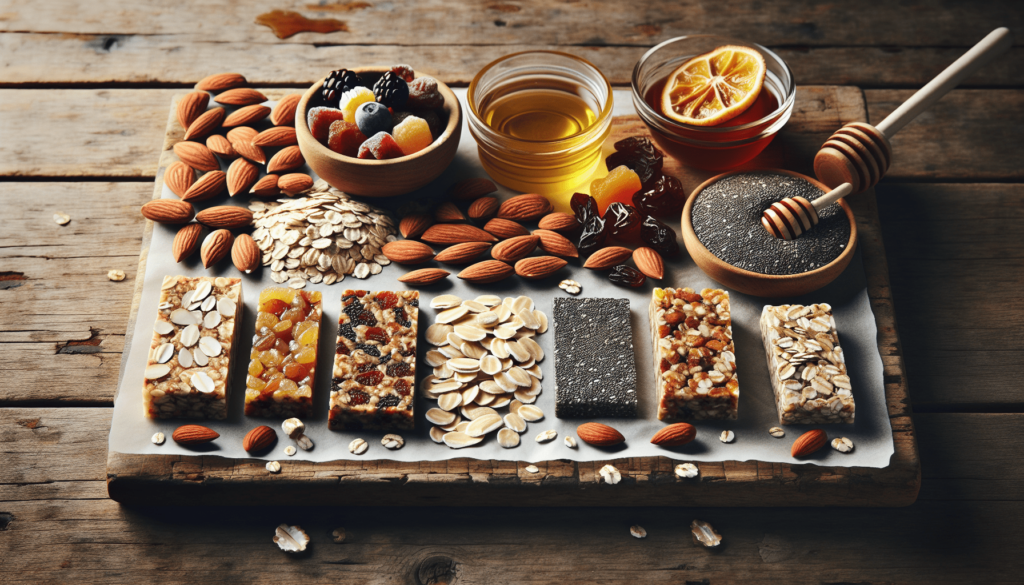
Reading the ingredient label is key. A good protein bar should have a list of ingredients you recognize and can pronounce. Avoid bars with too many additives, preservatives, or artificial colors and flavors.
Texture and Taste: Don’t Compromise
Health benefits aside, the bar should also be enjoyable to eat. Texture and taste are incredibly important so that you’ll look forward to eating it.
Crunchy vs. Chewy
Personal preference comes into play here, but the best bars offer a good balance between taste and texture. Ingredients like nuts and whole grains can add a satisfying crunch, while dried fruits and natural sweeteners can provide a chewy texture.
Flavor Varieties
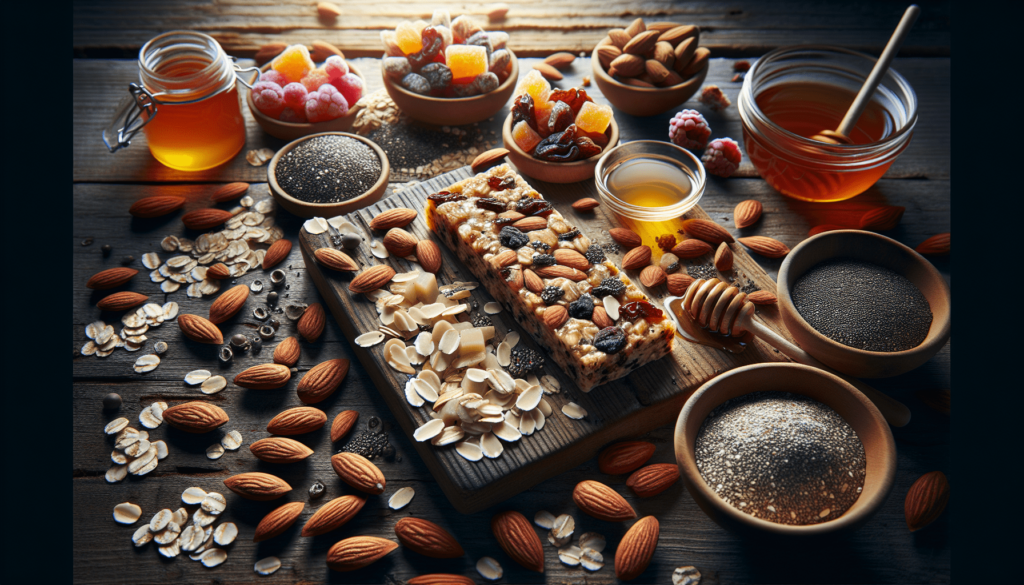
The flavors should be natural rather than overly artificial. Look for flavors derived from real foods, such as dark chocolate, vanilla, or dried fruits.
Cost: Get the Best Bang for Your Buck
While you want a high-quality bar, it shouldn’t break the bank. Compare different brands and types to find a bar that fits your budget while providing the nutrients you need.
| Criteria | Considerations |
|---|---|
| Quality Ingredients | Look for real, recognizable ingredients; avoid artificial additives |
| Balanced Nutrition | Ensure the bar offers a balance of protein, fiber, healthy fats, and carbohydrates |
| Taste and Texture | Choose a bar that you actually enjoy eating; avoids overly artificial flavors |
| Cost-Effectiveness | Compare prices and quality; don’t overspend on branding alone |
Navigating Specific Dietary Needs
If you have specific dietary restrictions, you’ll need to be extra careful when choosing a protein bar.
Gluten-Free Options
For those with gluten intolerance or celiac disease, it’s important to choose a bar that is certified gluten-free. Verify the certification to ensure it meets safety standards.
Keto-Friendly Bars
If you’re following a ketogenic diet, look for bars that are low in carbohydrates and high in fats. Ingredients like coconut oil, MCT oil, and almond butter are good indicators.
Low FODMAP Bars
For those managing IBS or other digestive issues, Low FODMAP bars can be helpful. These bars avoid ingredients that commonly cause digestive discomfort.
Whole30 and Paleo Options
These diets emphasize whole foods and avoid processed ingredients. Bars with minimal, natural ingredients that fit these criteria can be suitable options.
| Dietary Need | Considerations |
|---|---|
| Gluten-Free | Look for certified gluten-free labels |
| Keto-Friendly | Ensure the bar is low in carbs and high in healthy fats |
| Low FODMAP | Avoid ingredients that commonly cause digestive issues like certain fibers and sweeteners |
| Whole30 and Paleo | Choose bars with natural, whole food ingredients; avoid overly processed elements |
Environmental and Ethical Considerations
If sustainability and ethical sourcing are important to you, consider these factors as well.
Organic Ingredients
Bars made with organic ingredients are free from pesticides and other harmful chemicals. Look for organic certifications to ensure the quality.
Fair Trade
Ingredients like chocolate or coffee are often subject to ethical concerns. Fair Trade certifications ensure that farmers are fairly compensated.
Eco-Friendly Packaging
Consider the environmental impact of the packaging. Options that use recyclable or compostable materials are more eco-friendly.
| Ethical Consideration | Description |
|---|---|
| Organic Ingredients | Free from pesticides; look for certified organic labels |
| Fair Trade | Ensures fair compensation for farmers; look for Fair Trade certifications |
| Eco-Friendly Packaging | Opt for recyclable or compostable materials |
Personalizing Your Choice
The best protein bar for you will depend on your specific health goals and dietary needs. Be mindful of what you’re looking to achieve, whether that’s muscle gain, weight loss, or just a nutritious snack option.
Frequent Snackers
If you find yourself needing frequent snacks throughout the day, choose a bar with a balanced macronutrient profile to keep you satisfied.
Pre- or Post-Workout
For those seeking pre- or post-workout fuel, look for bars with higher carbohydrates and protein to replenish and fuel your muscles.
Weight Management
If weight management is your goal, a bar with high fiber and moderate protein can help you feel full longer and reduce overeating.
Special Conditions
For managing conditions like diabetes, look for bars with low sugar content and a high fiber profile to manage blood sugar levels effectively.
Navigating the Label: Red Flags and Must-Haves
Grabbing a bar based on attractive packaging can be tempting, but always read the label for these key points.
Ingredient List
A shorter list of recognizable ingredients is usually better. Avoid bars with a long list of synthetic additives and preservatives.
Nutrition Facts
Check for balanced macronutrient content that aligns with your dietary goals. Look especially at fiber, sugar, and protein amounts.
Certifications
Certifications can add a layer of trust, whether it’s organic, gluten-free, or Fair Trade.
A Summary of What to Look For
Here’s a quick checklist to guide you on your search:
- High-Quality Protein Source: Whey isolate, pea protein, or other high-quality proteins.
- Natural Fiber: Sources like chicory root, oats, or psyllium husk.
- Healthy Fats: Nuts, seeds, and plant-derived oils.
- Natural Sweeteners: Look for honey, maple syrup, or stevia over artificial ones.
- Balanced Carbohydrates: Opt for complex carbohydrates for sustained energy.
- Additional Nutrients: Vitamins, minerals, and antioxidants for improved health.
- Clear Ingredient List: Recognizable ingredients, minimal processing.
- Great Taste and Texture: Should make you look forward to your snack.
- Cost-Effective: Balance between quality and cost.
- Suitability for Dietary Needs: Gluten-free, keto, paleo, etc.
- Ethical and Environmental: Organic ingredients, Fair Trade, eco-friendly packaging.
By focusing on these key elements, you’ll be well-equipped to find a healthy protein bar that meets your nutritional needs and tastes great. Happy snacking!