
Have you ever wondered how you can start eating healthier without feeling overwhelmed? Making a shift toward healthier eating habits might seem like a daunting task, but it doesn’t have to be that way. With a few simple steps and a bit of knowledge, you can start making wiser food choices that could have a big impact on your overall well-being. Whether you’re looking to lose weight, boost your energy, or just feel better, this Beginner’s Guide to Healthy Eating Habits will guide you through the process.

What Is Healthy Eating?
Healthy eating isn’t about strict limitations, staying unrealistically thin, or depriving yourself of the foods you love. Rather, it’s about feeling great, having more energy, improving your health, and boosting your mood. It is about enjoying a variety of foods that give you the nutrients your body needs to maintain your health, feel good, and have energy.
The Basics of Nutrition
Understanding the basics of nutrition can help you create a healthy eating plan that works for you. Here are some key components you need to know:
| Nutrient | Description |
|---|---|
| Carbohydrates | Your body’s primary source of energy. Found in fruits, vegetables, bread, pasta, and cereals. |
| Proteins | Essential for growth and repair of tissues. Found in animal products, nuts, and legumes. |
| Fats | Important for brain health and energy. Choose healthy fats like those found in olives, nuts, and avocados. |
| Vitamins | Organic compounds needed in small amounts to support different bodily functions. Mostly found in fruits and vegetables. |
| Minerals | Elements like calcium and iron essential for body processes. Found in meat, cereals, fish, milk, dairy, fruit, and vegetables. |
| Water | Essential for maintaining hydration, supporting digestion, and many other bodily functions. |
Understanding Portion Sizes
Portion control is a crucial aspect of healthy eating. Even if you eat healthy foods, consuming them in large quantities can lead to weight gain. Understanding portion sizes can help you enjoy your favorite foods without overindulging. Here are some tips:
- Use smaller plates: It can help you eat less by making portions look bigger.
- Read food labels: They provide important information on serving sizes.
- Don’t eat from containers: Serve food in a dish to avoid overeating.
- Be mindful of snacking: It’s easy to overeat when you’re not paying attention.
Serving Size Guidelines
Knowing how much to eat is just as important as what you eat. Here’s a simple guide for serving sizes:
| Food Type | Standard Serving Size |
|---|---|
| Vegetables | 1 cup raw leafy vegetables or 1/2 cup cooked or raw non-leafy vegetables |
| Fruits | 1 small apple, 1 banana or 1/2 cup fresh, frozen, or canned fruit |
| Grains | 1 slice bread, 1 cup ready-to-eat cereal, 1/2 cup cooked rice, pasta, or cereal |
| Proteins | 1 ounce meat, poultry, or fish, 1/4 cup cooked beans, 1 egg, 1 tablespoon peanut butter, or 1/2 ounce nuts |
| Dairy | 1 cup milk, yogurt, or 1 1/2 ounces of natural cheese |

Creating a Balanced Plate
A balanced plate includes a variety of foods to provide all the nutrients your body needs. Here’s a simple approach to creating a balanced meal:
Fill Half Your Plate With Fruits and Vegetables
Fruits and vegetables are low in calories and rich in nutrients and fiber. They should fill half of your plate:
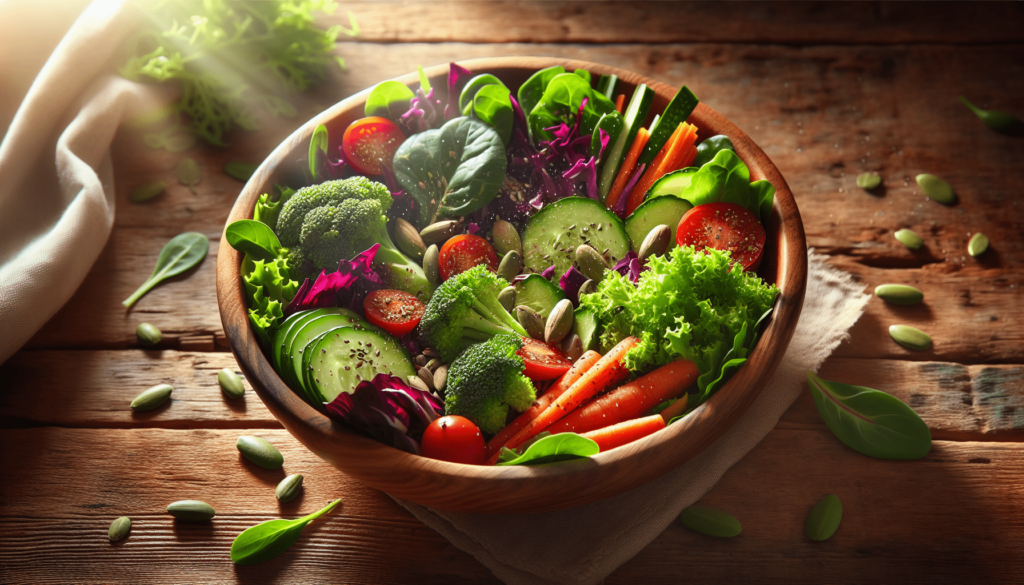
- Vegetables: Include a variety of colors and types like leafy greens, bell peppers, carrots, and broccoli.
- Fruits: Add fruits such as apples, berries, melons, and citrus fruits for different flavors and nutrients.
One-Quarter of Your Plate With Grains
Aim to make at least half the grains you consume whole grains. Whole grains like brown rice, whole-wheat pasta, and quinoa are rich in fiber and nutrients.
One-Quarter of Your Plate With Protein
Choose a variety of protein sources to meet your nutritional needs. Lean meats, poultry, fish, beans, nuts, and seeds are good protein options. Incorporate plant-based proteins such as beans and lentils to vary your diet.
Include Dairy or Dairy Alternatives
Consider adding a serving of low-fat or fat-free dairy, or dairy alternatives like soy milk, for added calcium and vitamin D.
Healthy Eating Tips and Tricks
Plan Your Meals
Planning your meals ahead of time can help you maintain a balanced diet. Take some time each week to plan your meals and snacks. Make a shopping list to ensure you have all the ingredients you need.
Cook More at Home
Home-cooked meals allow you to control the ingredients and portion sizes. It also helps you avoid the excess calories, sodium, and fat often found in restaurant meals and processed foods.
Read Food Labels
Food labels provide valuable information about what you’re eating. Look at the serving size, calories, and nutrient content to make informed choices.
Limit Sugary Drinks
Sugary drinks, such as sodas, fruit drinks, and sweetened teas, add extra calories and little to no nutritional value. Opt for water, unsweetened tea, or coffee.

Making Healthier Choices
Choose Whole Foods
Whole foods, such as fruits, vegetables, whole grains, and lean proteins, are minimally processed and closer to their natural state. They are usually more nutritious than processed foods.
Reduce Intake of Processed Foods
Processed foods often contain added sugars, sodium, and unhealthy fats. Examples include fast food, snacks, and ready-to-eat meals. Try to limit your consumption of these foods.
Practice Mindful Eating
Mindful eating means paying full attention to your food as you eat. It helps you recognize hunger and fullness cues, avoiding overeating.
Stay Hydrated
Drinking enough water is essential for overall health. It helps regulate body temperature, keeps joints lubricated, and aids in digestion. Aim to drink at least 8 cups of water a day.
Setting Realistic Goals
Setting achievable goals is essential for building long-lasting healthy eating habits. Here are some tips for setting realistic goals:
- Start Small: Begin with small, manageable changes. For example, add one serving of vegetables to your dinner each day.
- Be Specific: Define clear, specific actions you can take. Instead of saying “eat healthier,” say “eat two servings of fruits each day.”
- Track Your Progress: Keep a food diary to monitor your eating habits and see where you can make improvements.
Frequently Asked Questions About Healthy Eating
What Are Some Healthy Snack Options?
Healthy snacks can help keep your energy levels stable throughout the day. Here are some ideas:
- Fresh fruit or vegetable sticks with hummus
- Greek yogurt with berries
- A handful of nuts
- Whole-grain crackers with cheese
- A smoothie made with fruits and vegetables
How Can I Eat Healthy on a Budget?
Eating healthy doesn’t have to be expensive. Here are some tips to save money:
- Plan meals: Prepare a shopping list and stick to it.
- Buy in bulk: Items like grains and legumes are often cheaper when purchased in bulk.
- Seasonal produce: Opt for fruits and vegetables that are in season.
- Frozen vegetables: They are a cost-effective and nutritious option.
Can I Still Eat My Favorite Foods?
Absolutely! Healthy eating is about balance. You can enjoy your favorite foods in moderation. It’s all about making healthier choices more often while allowing for occasional treats.
Building Long-Term Healthy Eating Habits
Creating sustainable habits is key to long-term success. Here’s how you can build lasting healthy eating habits:
Find Support
Having a support system can make a big difference. Share your goals with friends, family, or join a group with similar objectives.
Educate Yourself
Learn about nutrition and healthy eating habits. The more you know, the better equipped you’ll be to make healthy choices.
Be Patient
Change takes time. Be patient with yourself as you work to establish healthier habits. Celebrate your progress along the way.
Conclusion
Embarking on a journey toward healthier eating doesn’t have to be complicated or restrictive. By understanding the basics of nutrition, practicing portion control, planning your meals, and making mindful choices, you can develop healthy eating habits that fit seamlessly into your lifestyle. Remember, it’s about making gradual changes that you can maintain in the long term. Commit to your goals, stay informed, and soon you’ll see the benefits of your efforts in improved health and well-being.
Your journey to better health begins with the choices you make today. So, take that first step, and empower yourself with the knowledge and tools to eat healthier and live a more vibrant life.