
Have you ever wondered why portion sizes seem to affect your health so significantly? Understanding how to manage them can make a huge difference in maintaining a healthy lifestyle without feeling deprived. With all the tips and strategies out there, navigating through them can be a bit overwhelming. That’s why this guide on managing portion sizes at meals is crafted specifically to help you with simple yet effective strategies.

Understanding Portion Sizes and Serving Sizes
Before we get into the nitty-gritty of managing portion sizes, it’s important to distinguish between “portion size” and “serving size.” Although these terms are often used interchangeably, they have different meanings.
What is a Portion Size?
A portion size is the amount of food you choose to eat at one time—whether it’s a meal or a snack. It can be big or small; the choice is entirely up to you.
What is a Serving Size?
A serving size is a standardized amount of food, such as a cup or an ounce, used to help you understand how much you should eat. It is typically listed on the Nutrition Facts label and is used as the basis for nutritional information.
Why the Distinction Matters
Understanding the difference between portion size and serving size can help you accurately track your food intake and make healthier choices.
| Term | Definition |
|---|---|
| Portion Size | The amount of food you choose to eat at one time. |
| Serving Size | A standardized amount of food, used as the basis for nutritional information. |
The Importance of Managing Portion Sizes
Managing portion sizes effectively can boost your health in several ways. Here are some compelling reasons why you should focus on portion control.
Weight Management
One of the most obvious benefits of managing your portion sizes is weight control. By consuming what your body actually needs rather than overindulging, you can maintain a balanced weight.
Better Digestion
Eating large portions at once can overwhelm your digestive system. Smaller portions are easier for your body to digest and metabolize efficiently.
Nutritional Balance
Focusing on appropriate portion sizes helps ensure that you’re getting a balanced mix of nutrients. Overeating certain types of food can lead to deficiencies in others, affecting overall health.
Minimize Waste
Portion control also helps minimize food waste. When you serve yourself only what you need, less food ends up in the trash.

Key Tips for Managing Portion Sizes
Now that you understand the importance of portion sizes, let’s discuss some actionable tips to help you manage them effectively.
Use Smaller Plates and Bowls
The size of your dinnerware can trick your brain into thinking you are eating more than you actually are. Using smaller plates and bowls can help you feel satisfied with smaller portions.
Be Mindful of Restaurant Portions
Restaurant servings can be significantly larger than what you need. Consider splitting an entrée with a friend or taking half home for later.
Ditch the Distractions
Eating in front of the TV or while scrolling through your phone can lead to mindless overeating. Focus on your meal and enjoy each bite to better control your portions.
Learn to Read Nutrition Labels
Understanding the serving size on nutrition labels can be a game-changer in managing portion sizes. Always compare the portion you are about to eat with the serving size listed on the label.
Use Measuring Tools
Measuring cups, spoons, and a kitchen scale can help you be more precise with your portion sizes. Over time, you will develop a better sense of what proper portion sizes look like.
Practice Portioning Snacks
Instead of eating snacks directly from the package, portion them out into smaller containers or bags. This step can help you avoid the temptation to overeat.
Fill Up On Veggies
Vegetables are low in calories but high in nutrients and fiber, making them a great way to fill up without overeating. Aim to fill at least half your plate with veggies at each meal.
Managing Portion Sizes for Different Food Groups
Different food groups require different approaches when it comes to portion control. Here’s a breakdown:
Proteins
With protein, a good rule of thumb is to aim for a portion about the size of your palm. This equates to roughly 3-4 ounces for meat, poultry, or fish.
Carbohydrates
When it comes to carbs, such as rice or pasta, a serving size is typically equivalent to a cupped handful. This is approximately 1/2 cup cooked rice or pasta.
Fats
Healthy fats are important but should be consumed in moderation. A portion size is generally about the size of your thumb, about 1 tbsp for oils, and 1 oz for nuts and seeds.
| Food Group | Portion Size Equivalent |
|---|---|
| Proteins | Palm-sized (3-4 ounces) |
| Carbohydrates | Cupped handful (1/2 cup cooked) |
| Fats | Thumb-sized (1 tbsp or 1 oz) |

Creating Balanced Meals with Appropriate Portion Sizes
Knowing the right portion sizes for different food groups is just part of the equation. You also need to combine them into balanced meals. Here’s how you can do it:
Using the Plate Method
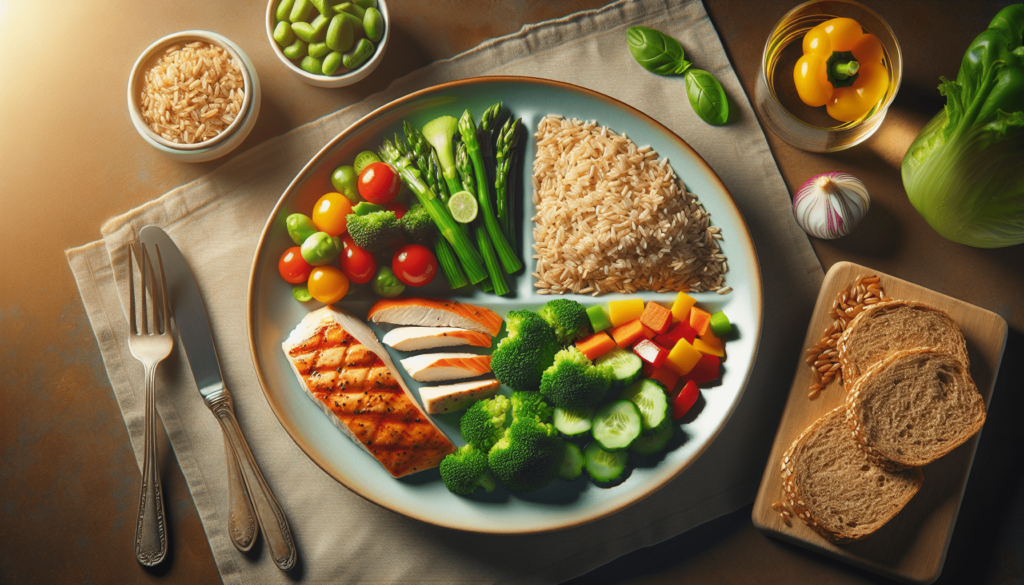
The Plate Method is a simple and effective way to create balanced meals. Here’s how to divide your plate:
- Half of your plate should be filled with vegetables and fruits.
- One quarter should include lean protein.
- The remaining quarter should be reserved for whole grains or starchy vegetables.
Sample Meal Plan
Here’s a sample meal plan using the Plate Method:
| Meal | Vegetables & Fruits | Protein | Carbohydrates |
|---|---|---|---|
| Breakfast | Spinach, Tomato in an omelet | Eggs (2-3 eggs) | Slice of whole-grain toast |
| Lunch | Mixed green salad with assorted veggies | Grilled chicken breast | Quinoa (1/2 cup cooked) |
| Dinner | Steamed broccoli, Carrot sticks | Baked salmon fillet | Brown rice (1/2 cup cooked) |
Portion Control and Mindful Eating
Mindful eating is a practice that involves paying full attention to the experience of eating and drinking. This practice can help you manage your portion sizes effectively.
Eat Slowly
Taking your time with your meals can give your brain a chance to register that you’re full, making it less likely that you’ll overeat.
Savor Each Bite
Focus on the flavors, textures, and aromas of your food. The more enjoyable the experience, the more satisfied you’ll feel with smaller portions.
Listen to Your Body
Tune into your hunger and fullness signals. Eat when you’re genuinely hungry and stop when you’re comfortably full.

Preparing Meals Ahead of Time
Meal prepping can be a great tool for portion control. Here are some tips to get started:
Plan Your Meals
Decide on recipes and portion sizes ahead of time. Write a shopping list and stick to it.
Use Portion-Control Containers
Invest in a set of portion-control containers to make it easier to manage and store your prepped meals.
Batch Cooking
Cook large amounts of food and portion them into smaller containers for easy meals throughout the week.
Navigating Social Settings
Social events and gatherings can be a challenge when it comes to portion control. Here are some strategies to help you stay on track:
Have a Game Plan
Before you go to a social event, plan how you’re going to handle the food situation. Consider having a small, healthy snack beforehand to curb your hunger.
Focus on Socializing
Shift the focus from food to socializing. Engage in conversations and activities to keep yourself distracted from overeating.
Choose Wisely
Opt for healthier options when available. Load up on vegetables, fruits, and lean proteins.
Practical Tips for Everyday Life
Implementing portion control doesn’t have to be complicated. Here are some practical tips to make it easier:
Drink Water Before Meals
Drinking a glass of water before meals can help you feel fuller, so you don’t overeat.
Avoid Eating from Large Packages
When eating snacks, always portion them out instead of eating directly from the package.
Be Cautious with Liquid Calories
Beverages like soda, iced tea, and even fruit juices can add a significant number of calories without making you feel full. Stick to water, herbal teas, or black coffee.
Limit Distractions
Whenever possible, eat at a table and focus on your meal rather than watching TV or using your phone.
Training Your Mind for Long-Term Success
Like any other skill, portion control requires practice and consistency. Here’s how you can train your mind to make it a long-term habit:
Set Realistic Goals
Set achievable and realistic goals for your portion sizes. Start small and gradually work your way up.
Keep a Food Journal
Tracking what you eat can offer insights into your eating habits and help you make necessary adjustments.
Positive Reinforcement
Reward yourself for sticking to your portion control goals. This could be in the form of a small treat, a new book, or a relaxing day out.
Common Misconceptions About Portion Control
There are several myths and misconceptions about portion control that can make the process more challenging. Let’s bust a few common ones:
Myth #1: Smaller Portions Mean Starving
Managing portion sizes doesn’t mean you’ll be hungry all the time. When you eat the right balance of nutrients, smaller portions can leave you feeling just as satisfied.
Myth #2: Portion Control is Only for Weight Loss
While portion control is essential for weight management, it also plays a crucial role in overall health, digestion, and nutritional balance.
Myth #3: You Have to Measure Everything
In the beginning, measuring your food can be helpful, but over time, you’ll develop an intuitive sense of what appropriate portion sizes look like.
Myth #4: Portion Sizes Should Be the Same for Everyone
Everyone’s dietary needs are different, so portion sizes should be personalized based on individual factors like age, gender, activity level, and health goals.
Different Approaches to Portion Control
There’s no one-size-fits-all approach to portion control. Here are a couple of different methods you can try to find what works best for you:
Counting Macronutrients
Some people find success in controlling portions by counting macronutrients—proteins, fats, and carbohydrates—rather than just focusing on calories.
Intermittent Fasting
Intermittent fasting involves eating within a specific time window. This method can naturally help you control your portions since you’re limiting the amount of time you have to eat.
Intuitive Eating
Intuitive eating focuses on listening to your body’s hunger and fullness cues to decide when and how much to eat. This method promotes a healthy relationship with food without strict rules.
Tools and Resources
Several tools and resources can assist you in mastering portion control. Here are some recommendations:
Apps
There are various apps available that can help you track your portion sizes, such as MyFitnessPal, LoseIt, and Noom.
Cookbooks
Many cookbooks focus on portion control and balanced eating. Look for those that provide nutritional information and portion guidelines for each recipe.
Online Classes
Consider taking online courses or workshops on nutrition and portion control. These can provide you with ongoing support and education.
Seeking Professional Guidance
If you’re struggling with portion control, seeking help from a healthcare professional can be beneficial. A nutritionist or dietitian can provide personalized advice and strategies.
Working with a Nutritionist
A nutritionist can help you create a personalized eating plan, focusing on portion sizes that meet your specific needs and health goals.
Joining Support Groups
Sometimes, the support of a community can make a big difference. Consider joining a support group where you can share your experiences and get tips from others.
Conclusion
Managing portion sizes at meals is a powerful tool for maintaining a healthy lifestyle. By understanding the difference between portion size and serving size, practicing mindful eating, and employing practical strategies, you can make portion control a seamless part of your daily routine. Whether you’re looking to manage your weight, improve digestion, or simply enjoy a more balanced diet, these tips can guide you in the right direction. Keep experimenting with different approaches until you find what works best for you, and remember that consistency is the key to long-term success.