
Beginner’s Guide to Setting Realistic Fitness Goals
Have you ever set a fitness goal only to find it difficult, if not impossible, to achieve? Perhaps you were too ambitious, or maybe your goal was too vague. Achieving fitness goals can be incredibly rewarding, but it all starts with setting targets that are both realistic and attainable. This guide will help you set fitness goals that align with your abilities, lifestyle, and desires.

Understanding the Importance of Setting Fitness Goals
Setting fitness goals not only gives you a road map to follow but also keeps you motivated. Without a goal in mind, you might find yourself wandering aimlessly around the gym or not fully committing to your routine. Clear goals turn your vision into actionable steps.
Why Goals Matter
Goals act as your destination. When you know where you’re headed, you’re more likely to get there. Additionally, goals can boost your confidence and keep you accountable. They provide measurable milestones that allow you to track your progress and celebrate your achievements, big or small.
Types of Fitness Goals
Fitness goals generally fall into three categories: short-term, medium-term, and long-term.
| Goal Type | Description | Example |
|---|---|---|
| Short-term | Achievable within a few weeks or a month | Jogging for 20 minutes without stopping by the end of the month |
| Medium-term | Require a few months to achieve | Losing 10 pounds in three months |
| Long-term | Require six months to a year or more | Completing a marathon in a year |
Setting SMART Fitness Goals
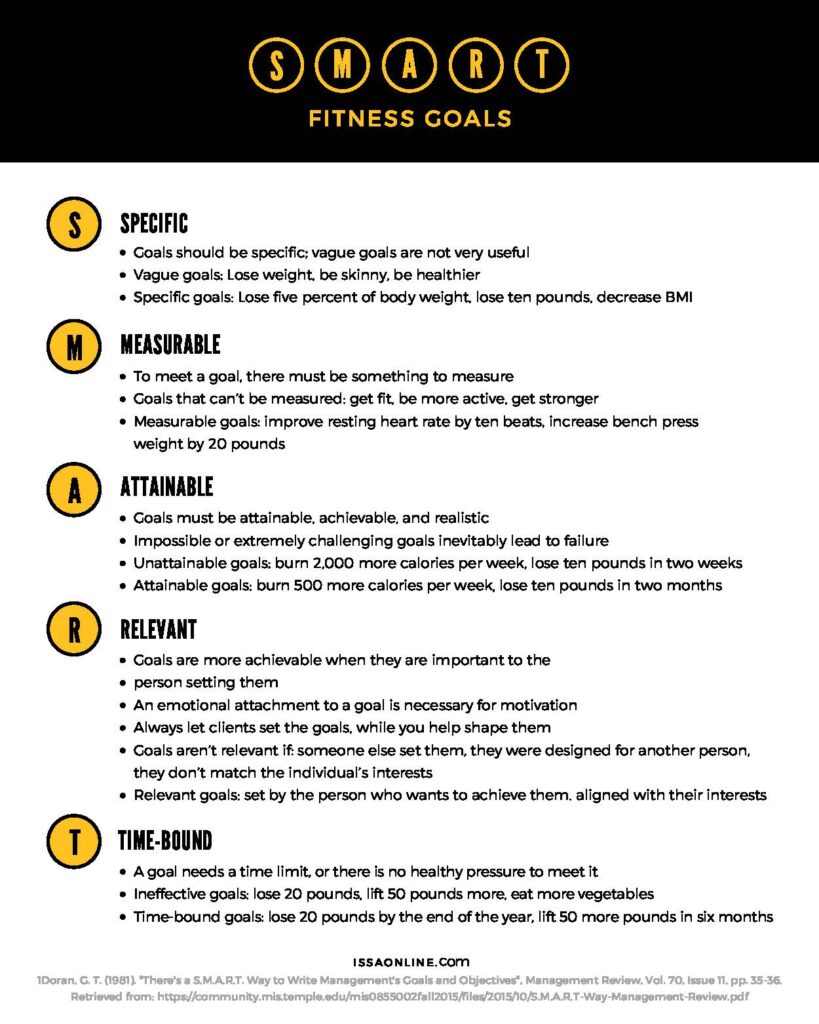
A common framework for setting goals is the SMART criteria, which stands for Specific, Measurable, Achievable, Relevant, and Time-bound. Applying this framework ensures that your goals are well-defined and reachable.
Specific
Your goals should be clear and specific. Instead of saying “I want to get fit,” consider something like, “I want to run 5 kilometers without stopping.” Specific goals help you clearly understand what you are aiming for.
Measurable
Quantify your goals to track your progress. Instead of “I want to lose weight,” specify “I want to lose 5 pounds in two months.” Measuring your achievements provides insights into how far you’ve come and what you need to work on.
Achievable
Make sure your goals are realistic given your current fitness level and lifestyle. If you’ve never lifted weights before, aiming to deadlift 300 pounds in a month is likely unrealistic.
Relevant
Your goals should align with your personal interests and long-term objectives. If you love swimming, setting a goal to run a marathon might not be the best fit for you.
Time-bound
Set a deadline to achieve your goals. This keeps you motivated and focused. For instance, “I will complete a 10k run in six months” has a clear end date.

Assessing Your Current Fitness Level
Before setting your goals, it’s important to know where you stand. This evaluation helps in making realistic and personalized goals.
Methods to Assess Fitness
- Cardiovascular Endurance: Measure how long you can sustain aerobic activities such as running or cycling.
- Muscular Strength and Endurance: Test your ability to lift weights or perform exercises like push-ups and squats.
- Flexibility: Assess how far you can stretch or how easily you can perform movements requiring flexibility.
- Body Composition: Calculate your BMI or measure body fat percentage.
Why It Matters
Understanding your starting point helps you set achievable and incremental goals. It also provides a benchmark against which you can measure your progress.
Creating Your Fitness Plan
Once you have assessed your current fitness level and set SMART goals, it’s time to create a plan.
Components of a Proper Fitness Plan
- Warm-Up: Always start with a warm-up to prepare your muscles.
- Main Workout: This could include cardio, strength training, flexibility exercises, or a combination.
- Cool-Down: It helps in gradually lowering your heart rate and reducing muscle stiffness.
- Rest Days: Incorporate rest days to allow your body to recover.
Sample Weekly Fitness Plan
| Day | Activity |
|---|---|
| Monday | 30 mins cardio + 15 mins strength training |
| Tuesday | 45 mins yoga |
| Wednesday | 20 mins HIIT session |
| Thursday | Rest Day |
| Friday | 30 mins cardio + 15 mins strength training |
| Saturday | Outdoor activity like hiking or cycling |
| Sunday | Rest Day or light activities like stretching or walking |

Tracking Your Progress
Monitoring your progress is essential to stay motivated and make modifications if necessary.
Tools for Tracking
- Fitness Apps: Use apps to log your workouts, diet, and progress.
- Wearable Devices: Track metrics like steps taken, calories burned, and heart rate.
- Fitness Journal: Note down your daily activities, how you felt, and any milestones achieved.
Periodic Assessments
Regularly assess your fitness level to understand how much you’ve improved. Adjust your goals and plan based on these assessments.
Staying Motivated
Achieving fitness goals is a marathon, not a sprint. Here are some tips to stay motivated:
Find a Workout Buddy
A workout buddy adds accountability and makes exercises more enjoyable. You can support each other and celebrate milestones together.
Celebrate Small Wins
Celebrate each small achievement. Each step forward brings you closer to your ultimate goal.
Adjust and Adapt
Life happens! Don’t get disheartened if you miss a workout or don’t meet a milestone. Adjust your plan and continue moving forward.
Tailoring Goals to Your Lifestyle
Every life is unique, and your fitness goals should align with your lifestyle.
Consider Your Schedule
Look at your daily, weekly, and monthly schedule. Make sure your fitness plan fits into your available time slots.
Family and Social Commitments
Balance your fitness goals with family and social activities. Involving your family in your fitness routine can make it more enjoyable.
Job Constraints
If you have a demanding job, you might need to set realistic workout durations that you can commit to. Even a 20-minute workout is better than none!
Common Mistakes to Avoid
Avoiding certain pitfalls can help you stay on track.
Setting Unrealistic Goals
It’s good to be ambitious, but setting overly high targets can demotivate you.
Ignoring Rest Days
Overtraining can lead to injuries. Rest days are crucial for recovery.
Copying Others
Your body, lifestyle, and goals are unique. What works for someone else might not work for you.
Ignoring Nutrition
Fitness is not just about exercise. Your diet plays a crucial role in achieving your goals.

Seeking Professional Advice
Sometimes seeking professional help can provide a more personalized approach to your fitness journey.
Personal Trainers
A certified personal trainer can offer expert advice tailored to your needs and goals.
Nutritionists
A nutritionist can help you align your dietary habits with your fitness goals.
Medical Professionals
Always consult with healthcare providers, especially if you have underlying health conditions.
Real-Life Success Stories
Hearing about others’ experiences can be incredibly motivating. Here’s an example:
Jane’s Journey
Jane, a 30-year-old office worker, started her fitness journey with a goal to lose 20 pounds in a year. She began with short-term goals like walking 10,000 steps a day and gradually incorporating strength training. With a balanced diet and consistent effort, she not only met her goal but adopted a healthier lifestyle.
By following a structured plan, setting SMART goals, assessing progress regularly, and staying motivated, Jane transformed her health.
Wrapping Up
Setting realistic fitness goals is the first step towards a healthier, happier you. Remember, the journey is just as important as the destination. By setting clear, achievable goals and following a structured plan, you are setting yourself up for success. Stay motivated, be flexible, and most importantly, enjoy the process. Fitness is a lifelong journey, and making sustainable changes will lead to long-term success.
Your future self will thank you for the effort you put in today.