
Have you ever considered transforming your workout routine by adding a pull-up/dip station to your home gym? If you’re looking to elevate your fitness game, this addition might just be what you need. Whether you’re a fitness newbie or a seasoned athlete, a pull-up/dip station offers several benefits that make it a cornerstone for any home gym setup.
Benefits Of Incorporating A Pull-up/Dip Station Into Your Home Gym
Versatility in Exercise Options
A pull-up/dip station provides a variety of exercise possibilities, making it an incredibly versatile piece of equipment. You can perform pull-ups, chin-ups, dips, leg raises, and more. This versatility is beneficial because it allows you to target different muscle groups with one piece of equipment. Here’s a quick overview:
| Exercise | Targeted Muscle Groups |
|---|---|
| Pull-ups | Back, shoulders, biceps |
| Chin-ups | Biceps, forearms, back |
| Dips | Chest, triceps, shoulders |
| Leg Raises | Core, hip flexors |
| Knee Raises | Lower abs, hip flexors |
| Muscle-ups | Full body (especially upper body and core) |
Space-Efficient
A pull-up/dip station does not require a significant amount of space. Compared to other gym equipment like treadmills or weight benches, it’s relatively compact. This makes it ideal for home gyms, especially if you are working with limited space. Most stations are designed to fit in corners or against walls, optimizing your space without cluttering it.
Cost-Effective
Investing in a pull-up/dip station can be more economical than purchasing individual weights or other complex equipment. Given its multifunctionality, you can perform a plethora of exercises that would typically require multiple machines at a commercial gym. This not only saves you money but also time, as you can avoid the need to commute to a gym.
Strengthens Multiple Muscle Groups
One of the standout benefits of a pull-up/dip station is its ability to engage multiple muscle groups simultaneously. Pull-ups and chin-ups engage your back, shoulders, and biceps, while dips target your chest, triceps, and shoulders. This helps you gain balanced muscle development, giving you a well-rounded physique and improving your overall strength.
Improves Functional Strength
Functional strength relates to how efficiently and effectively your body moves in real-life situations. The exercises you can perform on a pull-up/dip station mimic natural movements that require you to lift your body weight. This improves your functional fitness, enhancing your daily physical performance and reducing the risk of injuries.
Enhances Core Stability
A strong core is crucial for overall body stability and performance. Exercises like leg raises and knee raises target your core muscles, helping you build a stronger, more stable midsection. Improved core strength aids in better posture, reduces back pain, and enhances athletic performance in other sports and activities.
Promotes Muscle Endurance
By incorporating a pull-up/dip station into your home gym, you can work on increasing your muscle endurance. This is the ability of your muscles to sustain repeated contractions over a period of time. Because many exercises on the station involve holding your body weight up for extended periods, they help build endurance along with strength.
Boosts Cardiovascular Health
While a pull-up/dip station is primarily used for strength training, it can also have cardiovascular benefits. Performing exercises in quick succession or incorporating them into a high-intensity interval training (HIIT) routine can elevate your heart rate. This promotes cardiovascular health, aiding in better heart function and stamina.
Encourages Consistency
Having a pull-up/dip station at home encourages workout consistency. When you have the convenience of exercising at home, you’re more likely to stick to a regular fitness schedule. There’s no need to worry about gym hours or crowded spaces, making it easier to fit workouts into your daily routine.
Facilitates Progressive Overloading
Progressive overload is the gradual increase of stress placed upon the body during exercise training. A pull-up/dip station is perfect for this concept. You can start with assisted pull-ups or dips and gradually work toward more challenging variations. Over time, this helps in muscle growth, increased strength, and enhanced performance.
Tailored Workouts for All Levels
Whether you are a beginner or an experienced athlete, a pull-up/dip station is adaptable to your fitness level. Beginners can utilize resistance bands for assistance, while more advanced users can add weights for extra challenge. This adaptability ensures that you can continue to progress and push your limits.
Convenient Recovery Spot
Resting between sets is just as crucial as performing the exercises themselves. Many pull-up/dip stations come with built-in components like padded backrests or arm supports. These features can provide you with a comfortable spot to rest and recover, making your workout sessions more efficient and enjoyable.
Different Types of Pull-up/Dip Stations
Standalone Pull-up/Dip Stations
Standalone pull-up/dip stations come with a sturdy frame and multiple bars for diverse exercise options. They are usually more stable and can support higher weight capacities. These types are suitable for dedicated home gyms with ample space.
Wall-Mounted Pull-up Bars
Wall-mounted pull-up bars are a more space-saving solution. They are affixed to a wall, freeing up floor space and providing stability. These are ideal for small spaces but require careful installation to ensure safety.
Doorway Pull-up Bars
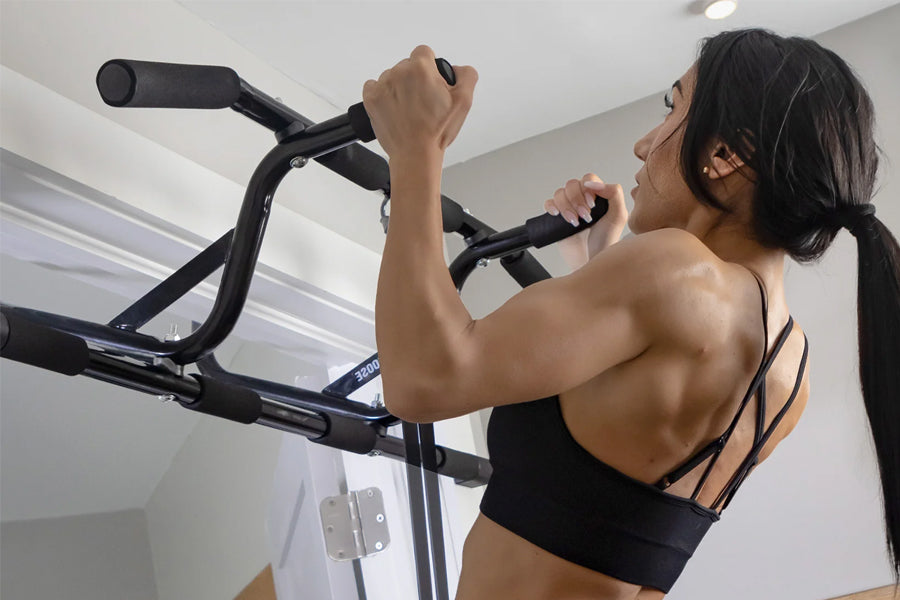
Doorway pull-up bars are the most portable option. They can be mounted in any standard doorway and are easily removable. While convenient, they may not offer the same range of exercises or stability as other types.
Power Towers
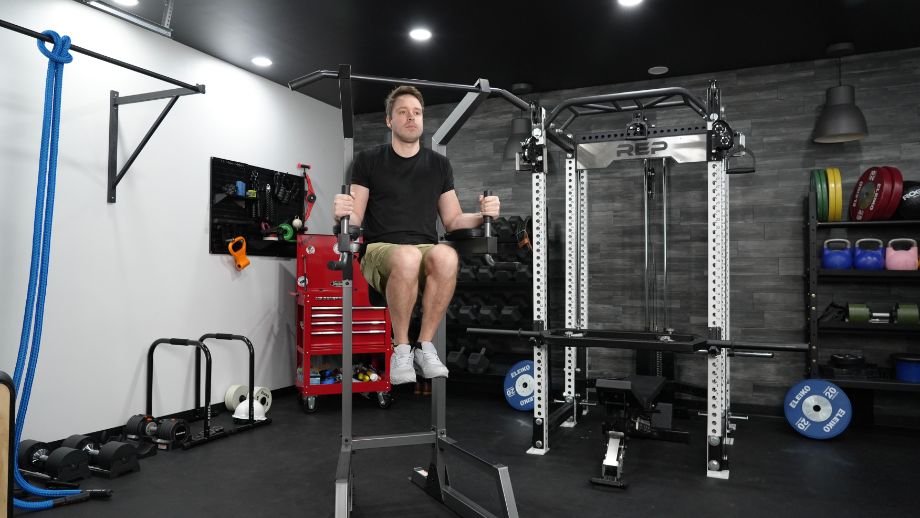
Power towers are similar to standalone stations but include more features like captain’s chairs for leg raises and push-up handles. These all-in-one machines offer a wide range of exercises, making them a comprehensive choice for home gyms.

What to Look for When Buying a Pull-up/Dip Station
Build Quality
The quality of materials used in the construction of your pull-up/dip station is crucial. Steel frames offer the best durability and stability. Check for rust-resistant coatings and sturdy welding.
Weight Capacity
Ensure that the station can support your weight and withstand the additional weights you might add in the future. Look for stations with a high weight capacity to guarantee safety and long-term use.
Stability and Safety
A stable base is essential to prevent wobbling or tipping. Wider bases generally offer more stability. If you opt for a wall-mounted or doorway model, make sure it is securely installed to avoid accidents.
Comfort Features
Comfort features like padded handles, backrests, and arm supports can make your workouts more enjoyable. These features also help in maintaining proper form, reducing the risk of injury.
Versatility
Opt for a station that offers multiple exercise options. The more versatile the station, the more value it provides, allowing you to work out various muscle groups without needing additional equipment.
How to Incorporate a Pull-up/Dip Station Into Your Routine
Warm-Up
Always start with a proper warm-up to prepare your muscles and joints for the workout. Spend at least 5-10 minutes doing dynamic stretches or light cardio activities like jogging in place.
Full-Body Workout
Here’s a sample full-body workout that you can perform with a pull-up/dip station. Adjust the reps and sets according to your fitness level:
| Exercise | Sets | Reps |
|---|---|---|
| Pull-ups | 3 | 8-12 |
| Dips | 3 | 10-15 |
| Leg Raises | 3 | 12-15 |
| Push-ups | 3 | 15-20 |
| Knee Raises | 3 | 10-12 |
Cool Down
After completing your workout, spend another 5-10 minutes cooling down. This can include static stretches focusing on the muscle groups you worked on.
Progressive Overload Plan
To keep progressing, gradually increase the number of reps, sets, or add additional weight. Keep track of your progress and make adjustments as needed to avoid plateaus.
Pull-up/Dip Station Maintenance
Regular Cleaning
Keep your station clean to ensure longevity. Wipe down the bars and pads after each use to remove sweat and grime.
Inspect for Wear and Tear
Regularly inspect your pull-up/dip station for any signs of wear or damage. Check the bolts and screws to ensure they are tight and secure.
Lubrication
Apply a small amount of lubricant to the moving parts to keep everything operating smoothly. This is especially important for power towers that have multiple moving components.
Overcoming Common Challenges
Limited Space
For those dealing with limited space, consider wall-mounted or doorway pull-up bars. These options provide excellent utility without taking up much room.
Lack of Motivation
Sometimes, the convenience of having equipment at home can lead to procrastination. Set a regular workout schedule and stick to it. You might also enjoy setting specific goals to keep your motivation high.
Physical Limitations
If you’re struggling with particular exercises due to physical limitations, consider using resistance bands for support. Over time, you can build the necessary strength and gradually wean off the assistance.
Cost Concerns
While a high-quality pull-up/dip station can be a significant investment, consider it an investment in your health. There are budget-friendly options available, and the long-term benefits far outweigh the initial cost.
Final Thoughts
Incorporating a pull-up/dip station into your home gym setup can offer numerous benefits, from versatility and space efficiency to improved functional strength and cardiovascular health. This piece of equipment is both cost-effective and convenient, providing you with the tools to achieve a well-rounded fitness routine without needing extensive space or multiple machines. Whether you’re just starting your fitness journey or are an experienced athlete, a pull-up/dip station can help you reach your goals more efficiently and effectively. So why wait? Give your fitness routine the boost it deserves!