
Have you ever wondered why athletes and fitness enthusiasts swear by high-protein snacks for muscle repair and growth? Let’s explore how these snacks can make a difference in your fitness journey.
Understanding Protein and Its Role
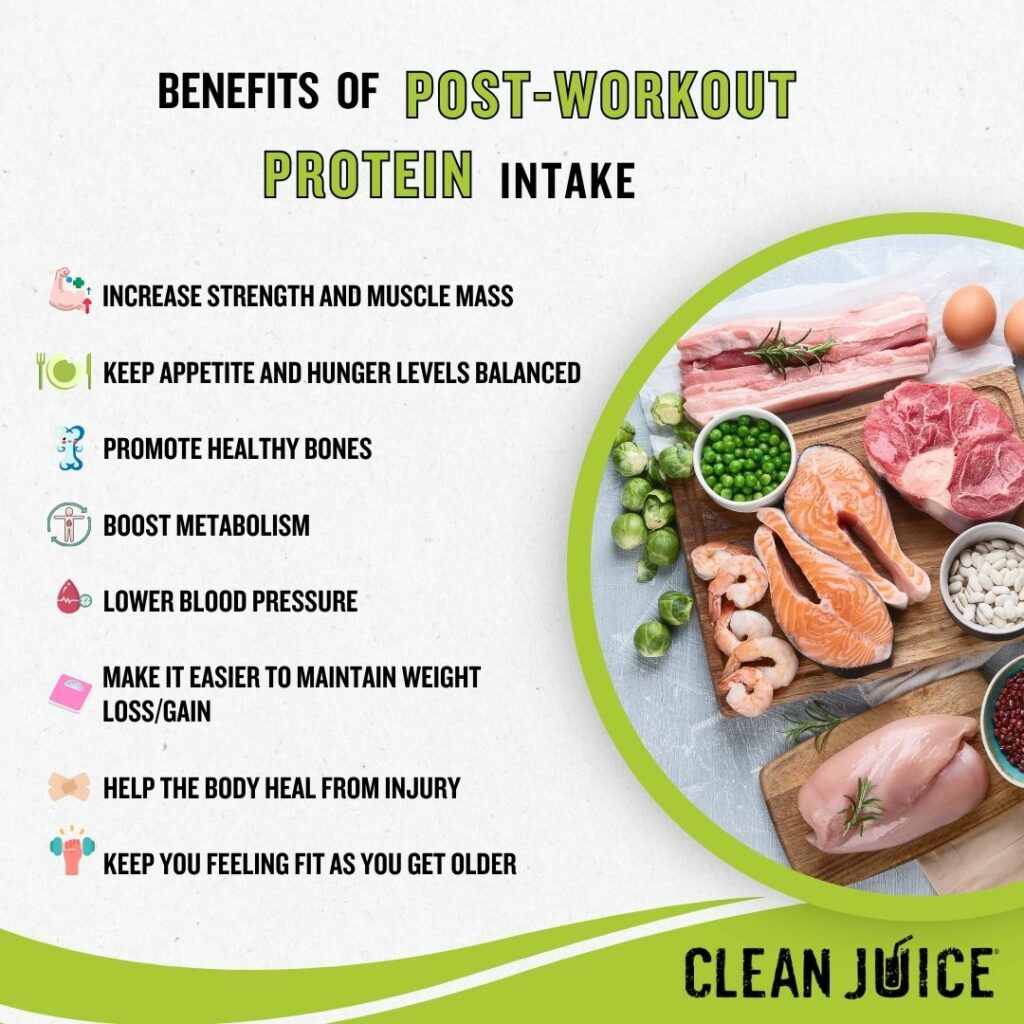
Protein is one of the three macronutrients the body needs to function optimally, the other two being carbohydrates and fats. It plays a crucial role in building, repairing, and maintaining muscle tissues.
What is Protein?
Proteins are large, complex molecules made up of amino acids. There are 20 different amino acids, of which nine are essential because your body cannot produce them. These essential amino acids must come from your diet.
| Non-Essential Amino Acids | Essential Amino Acids |
|---|---|
| Alanine | Histidine |
| Arginine | Isoleucine |
| Asparagine | Leucine |
| Aspartic Acid | Lysine |
| Cysteine | Methionine |
| Glutamic Acid | Phenylalanine |
| Glutamine | Threonine |
| Glycine | Tryptophan |
| Proline | Valine |
| Serine | |
| Tyrosine |
Importance in Muscle Repair and Growth
When you work out, particularly in strength training exercises, muscle fibers undergo tiny tears. Protein aids in repairing those small tears, making the muscle stronger and bigger in the process.
Sources of Protein
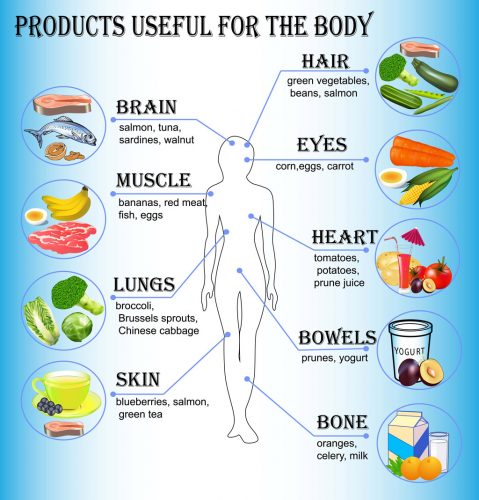
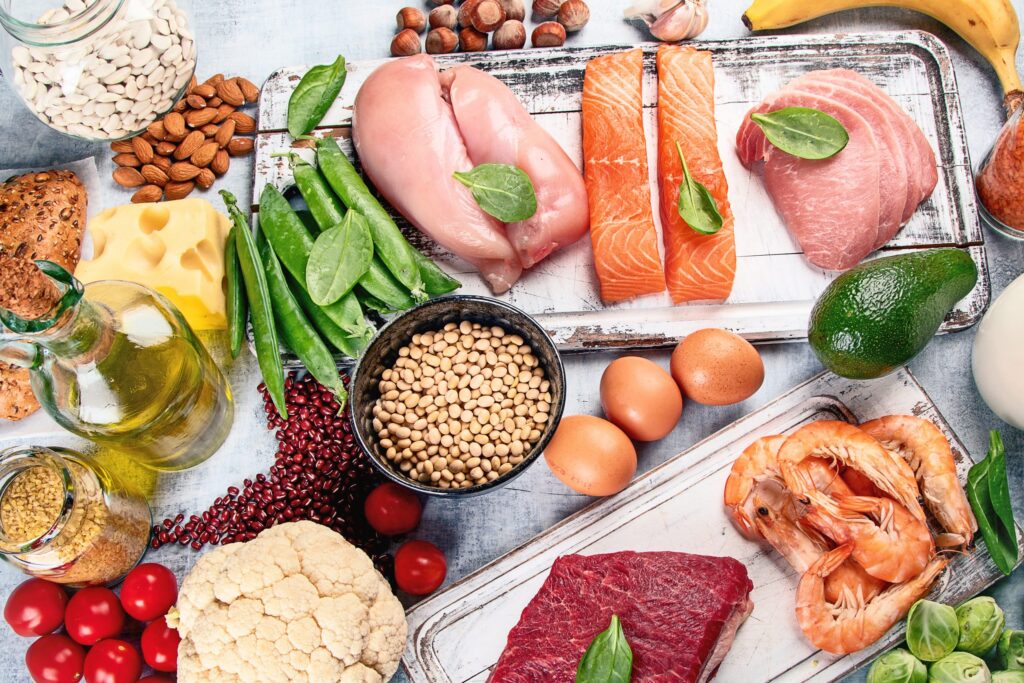
While the most well-known sources of protein are animal-based like meat, fish, and dairy, there are plenty of plant-based options as well. Beans, lentils, tofu, and quinoa are excellent alternatives for those following a vegetarian or vegan diet.
High-Protein Snacks: The What and Why
High-protein snacks are a convenient way to get an added protein boost without necessarily sitting down for a full meal. These snacks can be particularly beneficial post-workout when your muscles are craving nutrients.
Why High-Protein Snacks?
High-protein snacks offer the benefits of supplying your body with essential amino acids needed for muscle repair and growth. They are easy to consume, portable, and can be packed with other nutrients depending on the ingredients.
Post-Workout Nutrient Timing
Consuming protein immediately after your workout can be beneficial. This period is often called the “anabolic window,” a short period post-exercise when your muscles are particularly receptive to nutrients.
Types of High-Protein Snacks
The market is brimming with high-protein snacks, from bars and shakes to natural sources like nuts and yogurt. Each comes with its own benefits and drawbacks.
Protein Bars
Protein bars are one of the most convenient options available. They’re often fortified with vitamins and minerals, making them a complete mini-meal.
Pros:
- Convenient and portable
- Often fortified with additional nutrients
Cons:
- Can be high in sugar and preservatives
- Might not always be suitable for all dietary preferences
Protein Shakes
Protein shakes are another popular choice. These are typically made from protein powders such as whey, casein, or plant-based options.
Pros:
- Quick and easy to prepare
- Can be customized with additional ingredients like fruits and greens
Cons:
- Sometimes less satisfying than solid food
- Quality can vary, and some may contain artificial additives
Natural Sources
For those who prefer whole foods, there are plenty of natural, high-protein options.
- Nuts and Seeds: Almonds, chia seeds, and pumpkin seeds are excellent options.
- Dairy Products: Yogurt, particularly Greek yogurt, and cottage cheese.
- Legumes: Chickpeas and edamame are both portable and nutritious.
- Jerky: Turkey or beef jerky is a protein-packed snack but should be consumed in moderation due to high sodium content.
Benefits of High-Protein Snacks
High-protein snacks offer numerous advantages beyond just muscle repair and growth.
Enhanced Muscle Recovery
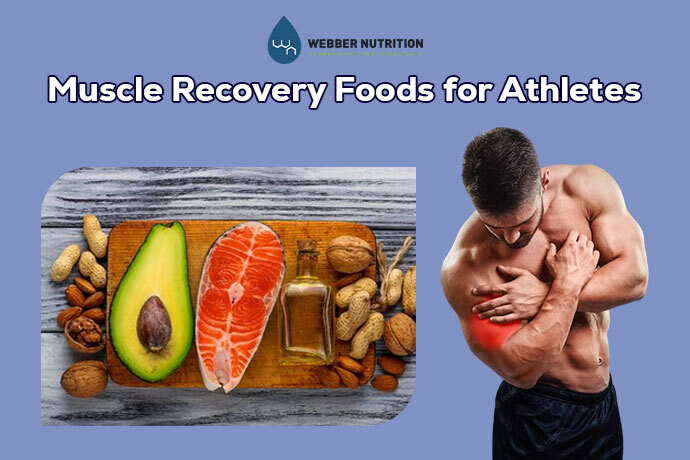
Protein is essential for repairing muscle tissues. High-protein snacks taken post-workout can help speed up this process, reducing muscle soreness and downtime between sessions.
Extended Satiety
Protein is known for its ability to keep you feeling fuller for longer. This can be particularly beneficial if you’re trying to manage weight or prevent overeating.
Stable Energy Levels
High-protein snacks can help in maintaining stable blood sugar levels, preventing the energy crashes that are common with high-sugar snacks.
Bone Health
Protein also plays a critical role in maintaining bone health. Combined with calcium and vitamin D, high-protein snacks can contribute to stronger bones.
How Much Protein Do You Need?
The amount of protein you need can vary based on several factors, including your activity level, age, and overall health.
General Guidelines
The Recommended Dietary Allowance (RDA) for protein is 0.8 grams per kilogram of body weight for the average adult. However, active individuals often require more.
| Activity Level | Protein Intake (grams per kg of body weight) |
|---|---|
| Sedentary (limited exercise) | 0.8 |
| Lightly active (light exercise) | 1.0 – 1.2 |
| Moderately active (regular exercise) | 1.2 – 1.5 |
| Highly active (intense exercise) | 1.5 – 2.0 |
Individual Needs
Factors like age, muscle mass, and overall health can affect your protein requirements. Older adults and those involved in vigorous training may have higher needs.
Choosing the Right High-Protein Snack
Not all high-protein snacks are created equal. It’s essential to choose options that align with your dietary goals and personal preferences.
Read Labels Carefully
When selecting pre-packaged snacks like protein bars or shakes, it’s crucial to read the labels. Look for options low in sugar and free from artificial additives.
Consider Your Dietary Restrictions
Whether you’re gluten-free, vegan, or have other dietary restrictions, there’s likely a high-protein snack to suit your needs. For example, those avoiding dairy might opt for plant-based protein shakes.
Nutrient Balance
While focusing on protein, don’t overlook other essential nutrients. Aim for snacks that also provide healthy fats, fiber, and micronutrients.
DIY High-Protein Snack Ideas
Creating your own high-protein snacks can be a fun and rewarding way to meet your nutritional needs. Here are a few easy-to-make options.
Greek Yogurt Parfait
Layer Greek yogurt with fresh berries and a sprinkle of chia seeds for a delicious and nutritious snack.
Ingredients:
- 1 cup Greek yogurt
- 1/2 cup mixed berries
- 1 tbsp chia seeds
Instructions:
- Layer the Greek yogurt and berries in a bowl or jar.
- Sprinkle with chia seeds.
- Enjoy immediately or store in the fridge for later.
Chickpea Salad
A flavorful chickpea salad can be a great afternoon snack. It’s packed with protein and fiber.
Ingredients:
- 1 can chickpeas, drained and rinsed
- 1 cucumber, diced
- 1 bell pepper, diced
- 2 tbsp olive oil
- 1 tbsp lemon juice
- Salt and pepper to taste
Instructions:
- Mix all the ingredients in a bowl.
- Toss with olive oil and lemon juice.
- Season with salt and pepper.
- Serve immediately or chill for an hour.
Protein Smoothie
A protein smoothie can be customized to your taste and nutritional preferences.
Ingredients:
- 1 scoop protein powder (whey, casein, or plant-based)
- 1 banana
- 1 cup spinach
- 1 cup almond milk
Instructions:
- Place all ingredients in a blender.
- Blend until smooth.
- Serve immediately.
Potential Drawbacks of High-Protein Snacks
While high-protein snacks offer numerous benefits, it is also essential to be aware of potential downsides.
Excessive Protein Intake
Consuming too much protein can strain your kidneys and may lead to other health issues. It’s essential to balance your protein intake with other macronutrients.
Cost
High-protein snacks, especially pre-packaged ones, can be expensive. Opting for whole foods or making your own snacks can be a cost-effective alternative.
Risk of Additives
Some protein snacks can contain unhealthy ingredients like added sugars, artificial sweeteners, and preservatives. Always read labels to make informed choices.
Conclusion
High-protein snacks can be a valuable addition to your diet, particularly if you’re focused on muscle repair and growth. They offer convenience, enhance muscle recovery, and keep you feeling full longer. However, it’s crucial to choose quality snacks that fit within your dietary needs and budget. By understanding your protein requirements and selecting the right snacks, you can aid your muscle-building efforts and enjoy a healthier lifestyle.