
Have you ever found yourself exhausted after just a few days of beginning a new exercise program? It’s a common experience for many beginners, and it often leads to frustration and burnout. This exhaustion can make you question whether fitness is for you or if you are doing something wrong. Spoiler alert: it’s not you, it’s your approach to rest and recovery!

Understanding Rest and Recovery
Rest and recovery are crucial aspects of any fitness journey, especially for beginners. They help your body heal and strengthen, making each workout more effective in the long run. But what exactly are rest and recovery, and why are they so important?
Defining Rest
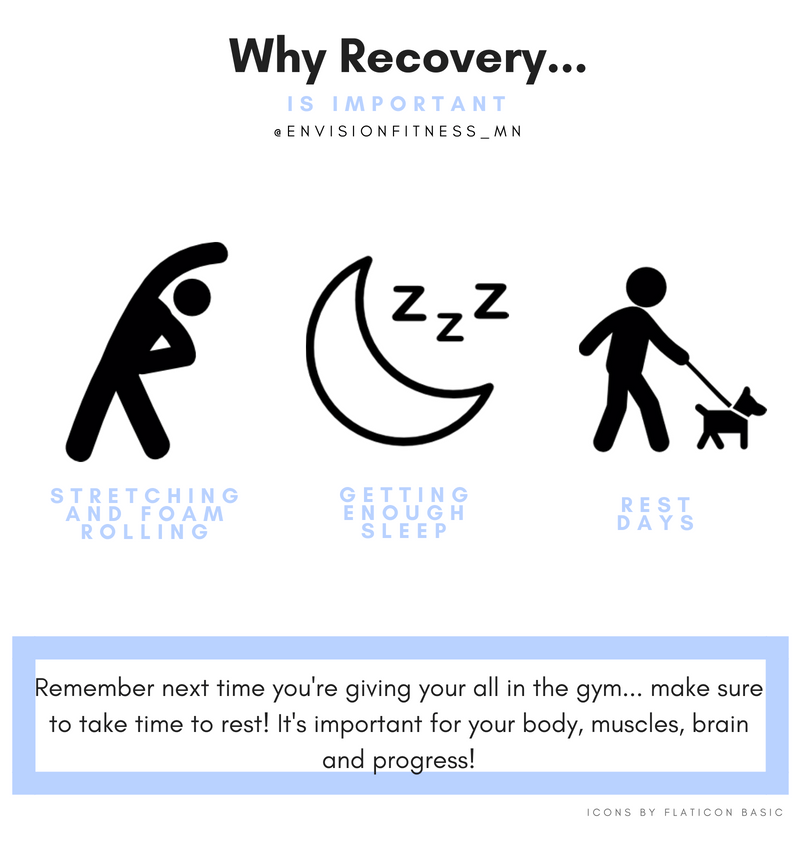
Rest essentially means taking a break from intense physical activity. This doesn’t mean you have to be completely inactive; it can include activities like stretching, walking, or leisurely biking, which are usually termed “active rest.”
Defining Recovery
Recovery involves the physiological processes that help your muscles, joints, and nervous system repair themselves after the strain and stress of exercise. This can include getting adequate sleep, proper nutrition, and even therapeutic activities like massage and ice baths.
The Science Behind Rest and Recovery
Understanding the science behind rest and recovery can help you appreciate their importance. When you exercise, you create microscopic tears in your muscle fibers. It’s during rest and recovery that your body repairs these tears, making your muscles stronger and more resilient.
Hormonal Impact
Exercise causes a spike in stress hormones like cortisol and adrenaline. While these hormones are beneficial in short bursts, prolonged elevation can lead to negative impacts such as muscle breakdown and impaired immune function. Rest helps to regulate these hormones, bringing your body back to a balanced state.
Nervous System
Your nervous system needs downtime to recuperate just as much as your muscles do. Intense exercise puts stress on your central nervous system (CNS), and without adequate recovery, you may experience symptoms like irritability, lack of focus, and even physical pain.
Benefits of Rest and Recovery
Taking time off may seem counterintuitive, especially if you are eager to see results. However, the benefits of proper rest and recovery are undeniable.
Enhanced Performance
When your body is well-rested, your performance improves. You can lift heavier weights, run faster, and last longer in your workouts. This not only boosts your physical capabilities but also your mental confidence.
Reduced Injury Risk
Continuous strain without adequate recovery increases the risk of injury. Rest allows your muscles, joints, and connective tissues time to heal and adapt, reducing the likelihood of strains, sprains, and other injuries.
Mental Well-being
Exercise-induced stress is real, and without adequate recovery, it can lead to burnout. Taking time to rest not only helps your body but your mind as well, keeping you motivated and mentally fresh.
Signs That You Need Rest
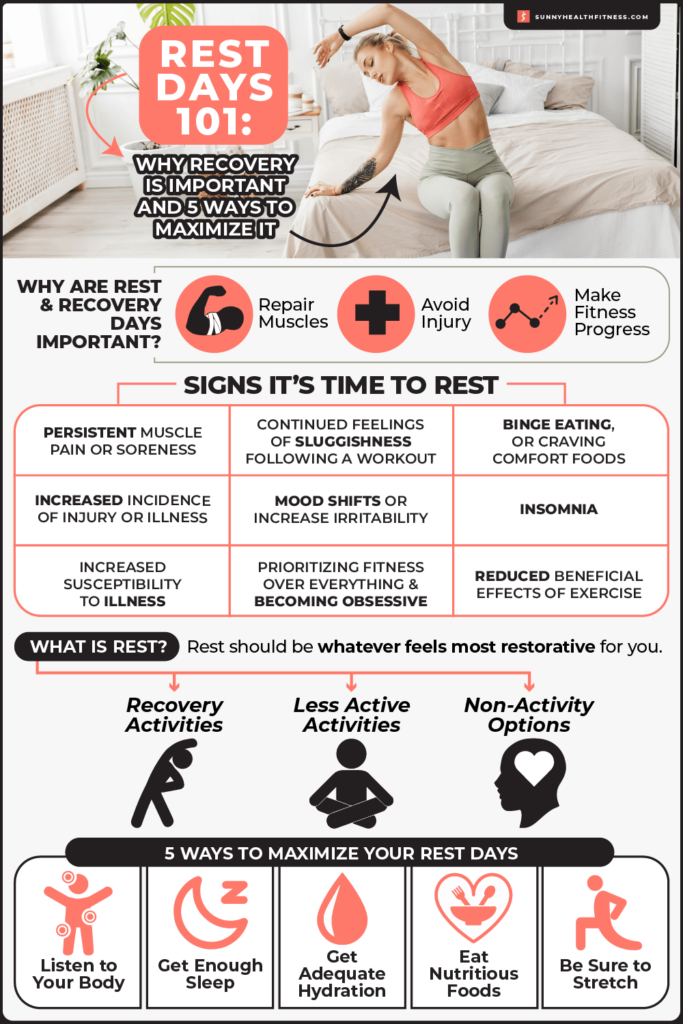
It can be challenging to determine when your body needs rest, especially if you’re excited about your new fitness journey. However, certain signs can indicate that it’s time to take a step back.
Persistent Fatigue
If you find yourself feeling constantly tired despite getting adequate sleep, it might be a sign that your body needs more rest.
Decreased Performance
If you notice a decline in your performance, such as lifting less weight or running shorter distances, it could be a sign that your body hasn’t fully recovered from previous workouts.
Mood Changes
Irritability, anxiety, and lack of motivation can all be signs that you need more rest. Your mental health is just as important as your physical health, and both need adequate recovery time.
How to Incorporate Rest and Recovery
Incorporating rest and recovery doesn’t mean you have to compromise your fitness goals. It’s about striking a balance that allows you to make sustainable progress.
Schedule Rest Days
Rest days are as crucial as workout days. Schedule at least one or two rest days each week, especially if you’re just starting. This will give your body ample time to recover.
Listen to Your Body
Your body is excellent at sending cues about its well-being. Learn to listen to it. If you feel exhausted, it’s okay to take an extra rest day.
Practice Active Recovery
Active recovery involves low-intensity activities that promote blood flow and muscle repair. Consider activities like yoga, walking, or swimming on your rest days.
Nutrition’s Role in Recovery
What you consume can significantly impact how well your body recovers. Proper nutrition provides the building blocks your muscles need to heal and grow.
Protein
Protein is essential for muscle repair. Include a good source of protein in every meal to ensure your muscles get the amino acids they need.
| Food | Protein Content (per serving) |
|---|---|
| Chicken Breast | 31g |
| Tofu | 10g |
| Greek Yogurt | 10g |
| Lentils | 18g |
Carbohydrates
Carbs replenish your glycogen stores, which are drained during intense exercise. Opt for complex carbohydrates like sweet potatoes, brown rice, and whole-grain pasta.
Hydration
Staying hydrated is crucial for muscle recovery and overall well-being. Drink plenty of water before, during, and after your workouts.

Sleep: The Ultimate Recovery Tool
Sleep is often overlooked, but it’s one of the most effective recovery tools available. Quality sleep helps in hormone regulation, muscle repair, and mental clarity.
Sleep Recommendations
Aim for 7-9 hours of sleep per night. If you find it challenging to get enough sleep, consider making your sleep environment more conducive to rest by reducing light and noise.
Improving Sleep Quality
Quality matters just as much as quantity. Stick to a regular sleep schedule and avoid screens at least an hour before bedtime. Incorporating a bedtime routine can also signal to your body that it’s time to wind down.
The Role of Recovery Aids
Certain tools and techniques can further aid your recovery, making it more effective.
Foam Rolling
Foam rolling helps to release muscle tightness and improve blood flow, speeding up the recovery process. Spend a few minutes rolling out major muscle groups after workouts.
Massage
A good massage can do wonders for muscle recovery by improving circulation and reducing muscle tension. Consider setting aside time for a professional massage or practice self-massage techniques.
Compression Gear
Wearing compression garments can reduce muscle soreness and accelerate recovery by improving blood circulation. These can be particularly helpful after intense workouts.

The Psychological Aspect of Recovery
Mental recovery is just as important as physical recovery. Stress management techniques can make a significant difference.
Mindfulness and Meditation
Mindfulness practices like meditation can help to reduce stress and improve mental clarity. Setting aside a few minutes each day to practice mindfulness can enhance overall well-being.
Downtime
Spending time doing activities you love can also help in mental recovery. Whether it’s reading a book, spending time with loved ones, or engaging in a hobby, allowing yourself some downtime is essential.
Avoiding Common Recovery Mistakes
Even with the best intentions, it’s easy to make mistakes when it comes to rest and recovery. Here’s how to avoid some common pitfalls.
Overtraining
Overtraining can lead to burnout and increased injury risk. Keep an eye on your workout intensity and duration, and ensure that you’re not pushing past your limits without adequate rest.
Ignoring Pain
Ignoring persistent pain can lead to more severe injuries. It’s important to address any pain you experience rather than pushing through it. Consult a healthcare professional if the pain persists.
Skipping Warm-ups and Cool-downs
Warm-ups and cool-downs prepare your muscles for exercise and aid in recovery. Skipping these can lead to injuries and prolonged muscle soreness.
Tailoring Recovery to Your Needs
Every individual’s recovery needs are different. Factors like age, fitness level, and type of exercise all play a role in determining your optimal recovery strategy.
Age Considerations
As you age, your body may require more time to recover from physical activities. Consider incorporating more rest days or lighter exercise if you’re older.
Fitness Levels
Beginners often need more rest than those with advanced fitness levels. Don’t compare your recovery needs to someone who has been training for years.
Type of Exercise
Different types of exercise place different stresses on your body. High-intensity workouts may require more recovery time compared to low-intensity activities.
Keeping Track of Your Recovery
Monitoring your recovery can help you understand what works best for you and make necessary adjustments.
Recovery Journals
Keeping a recovery journal can provide insights into your rest and recovery patterns. Note how you feel, how much sleep you got, and any other recovery activities. This can help you fine-tune your routine.
Wearable Technology
Wearable fitness trackers can provide valuable data on your recovery, such as sleep quality and activity levels. Utilize this information to make informed decisions about your rest days.
The Long-term Benefits of Prioritizing Recovery
When you consistently prioritize rest and recovery, you build a sustainable fitness routine that promotes overall well-being and long-term success.
Longevity
Prioritizing recovery reduces wear and tear on your body, allowing you to enjoy a longer, healthier fitness journey.
Consistency
When rest and recovery are part of your routine, you’re less likely to experience setbacks due to injuries or burnout, enabling you to maintain a consistent workout schedule.
Overall Well-being
Proper recovery doesn’t just benefit your workout performance—it enhances your quality of life by promoting better sleep, reduced stress, and improved mood.
Taking Action: Your Path to Effective Recovery
Implementing a recovery-focused approach to your fitness journey doesn’t require drastic changes. Small, consistent actions can make a big difference.
Set Recovery Goals
Just as you set fitness goals, set recovery goals. Whether it’s getting 8 hours of sleep, drinking a certain amount of water, or dedicating time to stretching, having clear recovery goals can keep you on track.
Educate Yourself
Continually educate yourself about recovery techniques and stay updated with the latest research. The more you know, the better you can optimize your recovery.
Ask for Help
Don’t hesitate to seek advice from fitness professionals or healthcare providers. They can provide personalized recommendations based on your specific needs and goals.
Conclusion
Understanding the importance of rest and recovery is crucial for anyone embarking on a new fitness journey. By embracing rest and incorporating dedicated recovery strategies, you can enhance performance, reduce injury risk, and ensure a sustainable path to your fitness goals. Remember, rest is not a sign of weakness—it’s a key component of strength. Embrace it, and watch as both your body and mind become stronger, healthier, and more resilient.