Have you ever wondered how you can protect your body from the harmful effects of free radicals? Free radicals are unstable molecules that can damage your cells, leading to aging and various diseases. However, you have a secret weapon in your diet that can combat these harmful molecules: antioxidants.
In this detailed guide, we’re going to explore the best sources of antioxidants to fight off free radicals. You’ll learn what antioxidants are, why they’re crucial for your health, and discover the top foods and habits that can boost your antioxidant intake.

Understanding Antioxidants and Free Radicals
What Are Antioxidants?
Antioxidants are compounds that help neutralize free radicals in your body. These free radicals are unstable molecules that can cause oxidative stress, damaging your cells and DNA. Antioxidants can donate an electron to free radicals without becoming unstable themselves, rendering them harmless.
What Are Free Radicals?
Free radicals are highly reactive molecules with unpaired electrons. They’re naturally produced in your body during metabolic processes, such as when you digest food or are exposed to sunlight. However, external factors like pollution, cigarette smoke, and radiation can increase the production of free radicals.
Why Are Free Radicals Harmful?
When free radicals are left unchecked, they can cause oxidative stress, which has been linked to various health issues, including:
- Aging and wrinkles
- Cancer
- Heart disease
- Alzheimer’s disease
- Diabetes
Top Sources of Antioxidants
You can find antioxidants in a variety of foods, many of which are readily available. Here are some of the best sources to include in your diet.
Fruits
Fruits are some of the richest sources of antioxidants. They not only provide essential vitamins and minerals but also deliver a variety of antioxidants.
Berries
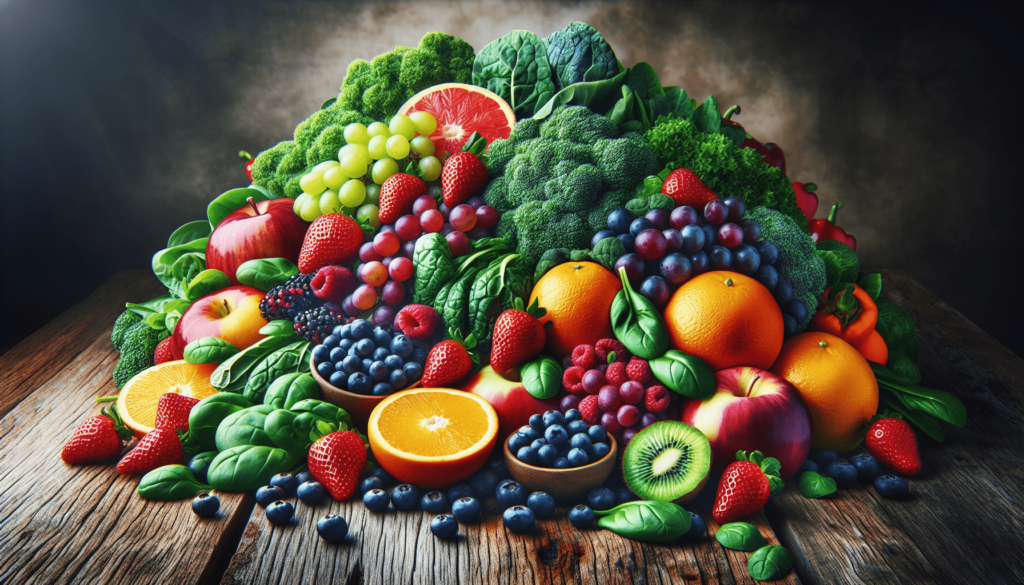
Berries such as blueberries, strawberries, raspberries, and blackberries are packed with antioxidants like vitamin C, quercetin, and anthocyanins. These compounds help reduce inflammation and protect your cells from oxidative stress.
Citrus Fruits
Citrus fruits like oranges, lemons, and grapefruits are high in vitamin C, one of the most powerful antioxidants. They help boost your immune system, and their high fiber content is a bonus for digestive health.
| Citrus Fruit | Key Antioxidants |
|---|---|
| Orange | Vitamin C |
| Lemon | Vitamin C |
| Grapefruit | Vitamin C |
| Lime | Vitamin C |
Vegetables
Vegetables are packed with antioxidants and are essential for maintaining a balanced diet. Aim to include a variety of colors on your plate to ensure you’re getting a range of nutrients.
Leafy Greens
Leafy greens like spinach, kale, and Swiss chard are rich in antioxidants such as lutein, zeaxanthin, and beta-carotene. These compounds can help improve eye health and reduce your risk of chronic diseases.
Cruciferous Vegetables
Cruciferous vegetables like broccoli, cauliflower, and Brussels sprouts contain antioxidants like vitamin C, E, and selenium. They also have sulfur-containing compounds that support detoxification in your liver.
| Cruciferous Vegetable | Key Antioxidants |
|---|---|
| Broccoli | Vitamin C, E, Selenium |
| Cauliflower | Vitamin C, E, Selenium |
| Brussels Sprouts | Vitamin C, E, Selenium |
Nuts and Seeds
Nuts and seeds are excellent sources of vitamin E and other antioxidants. They can be easily added to salads, yogurt, or eaten as a snack.
Almonds
Almonds are particularly high in vitamin E, an antioxidant that helps protect your cells from oxidative stress. A handful of almonds each day can provide you with a significant portion of your daily vitamin E requirement.
Walnuts
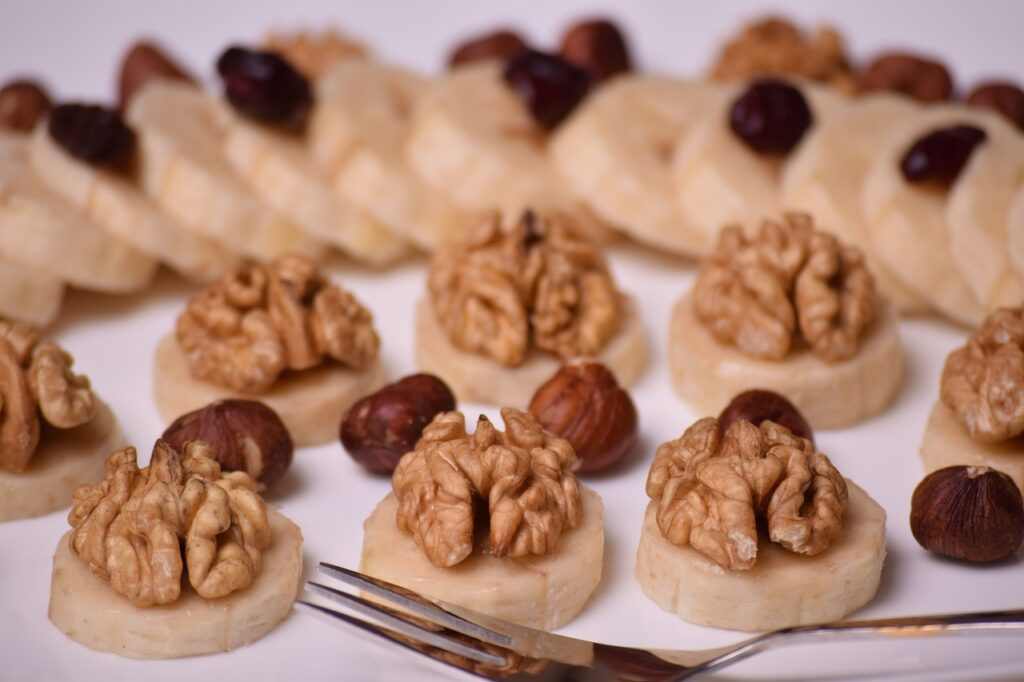
Walnuts are rich in polyphenols, a type of antioxidant that can help reduce inflammation and improve heart health. They also contain healthy fats that are good for your brain.
| Nut/Seed | Key Antioxidants |
|---|---|
| Almonds | Vitamin E |
| Walnuts | Polyphenols |
| Flaxseeds | Lignans |
| Chia Seeds | Polyphenols |
Whole Grains
Whole grains like oats, quinoa, and brown rice are good sources of antioxidants such as selenium and vitamin E. They also provide fiber, which supports digestive health and aids in weight management.
Beverages
Certain beverages are packed with antioxidants and can be an enjoyable way to boost your intake.
Green Tea
Green tea is rich in catechins, particularly epigallocatechin gallate (EGCG), a powerful antioxidant. Drinking a cup of green tea daily can help lower your risk of various diseases.
Red Wine
Red wine contains resveratrol, an antioxidant found in the skins of grapes. While moderate consumption can provide some benefits, it’s essential to drink red wine in moderation due to its alcohol content.
| Beverage | Key Antioxidants |
|---|---|
| Green Tea | Catechins (EGCG) |
| Red Wine | Resveratrol |
| Coffee | Chlorogenic Acid |

Antioxidant-Rich Herbs and Spices
Herbs and spices are often overlooked as sources of antioxidants, but they can be incredibly potent.
Turmeric
Turmeric contains curcumin, a strong antioxidant and anti-inflammatory compound. Adding turmeric to your meals can provide numerous health benefits, including improved joint health and reduced inflammation.
Ginger
Ginger is another spice known for its antioxidant and anti-inflammatory properties. It can help reduce nausea, improve digestion, and combat oxidative stress.
Cinnamon
Cinnamon is rich in polyphenols and other antioxidants that can help regulate blood sugar levels and reduce inflammation.
| Herb/Spice | Key Antioxidants |
|---|---|
| Turmeric | Curcumin |
| Ginger | Gingerol |
| Cinnamon | Polyphenols |
Other Antioxidant-Rich Foods
A balanced diet includes a variety of foods beyond the more common fruits and vegetables.
Dark Chocolate
Dark chocolate, with at least 70% cocoa, is a delicious way to get your antioxidants. It contains flavonoids, which can improve heart health and reduce inflammation.
Legumes
Beans, lentils, and chickpeas are excellent sources of antioxidants such as polyphenols. They are also high in fiber, making them good for your heart and gut health.
| Food | Key Antioxidants |
|---|---|
| Dark Chocolate | Flavonoids |
| Lentils | Polyphenols |
| Chickpeas | Polyphenols |
Tips to Maximize Antioxidant Intake
Incorporating antioxidant-rich foods into your diet can be straightforward with a few tips and tricks.
Eat a Rainbow
Consuming a variety of colorful fruits and vegetables ensures you’re getting a range of different antioxidants. Each color represents different types of antioxidants that benefit your body in various ways.
Opt for Raw or Lightly Cooked
Some antioxidants can be destroyed by heavy cooking. Whenever possible, eat your fruits and vegetables raw or lightly cooked to preserve their antioxidant content.
Include Antioxidants in Every Meal
Aim to include an antioxidant-rich food in every meal. Add berries to your breakfast, vegetables to your lunch, and nuts or seeds to your snacks.
Consider Supplements
While it’s best to get your antioxidants from food, supplements can be beneficial if you can’t meet your needs through diet alone. Always consult your healthcare provider before starting any new supplement.
Conclusion
Incorporating a variety of antioxidant-rich foods into your diet is a powerful way to combat free radicals and protect your body from oxidative stress. From colorful fruits and vegetables to nuts, seeds, and even dark chocolate, there are plenty of delicious options to choose from. By understanding the importance of antioxidants and making mindful choices, you can significantly improve your overall health and well-being.