
Have you ever wondered how you can boost your immune system by just making some simple changes to your diet? Your nutritional intake plays a vital role in keeping your immune system robust and active. This article will guide you through key nutrients that can fortify your immune system, ensuring you’re equipped to fend off illnesses more effectively.

Key Nutrients To Focus On For Overall Immune Support
Vitamin C: The Immunity Powerhouse
When considering immune health, Vitamin C is often the first nutrient that comes to mind. This water-soluble vitamin is essential for the growth, development, and repair of all body tissues.
Why It’s Important: Vitamin C helps stimulate the production of white blood cells, which are crucial for fighting infections. Additionally, it acts as a powerful antioxidant, protecting your cells from harmful free radicals.
Best Sources:
| Food | Vitamin C Content (mg per 100g) |
|---|---|
| Oranges | 53 |
| Strawberries | 59 |
| Kiwi | 92 |
| Bell Peppers | 128 |
| Broccoli | 89 |
Incorporating these foods into your daily diet is a delicious and wholesome way to ensure you’re getting enough Vitamin C.
Vitamin D: The Sunshine Vitamin
Often called the “sunshine vitamin,” Vitamin D is another crucial nutrient for immune support.
Why It’s Important: Vitamin D can modulate the innate and adaptive immune responses. A deficiency in this vitamin is associated with increased susceptibility to infections.
Best Sources:
| Source | Vitamin D Content (IU per 100g) |
|---|---|
| Fatty Fish (Salmon) | 526 |
| Fortified Milk | 120 |
| Egg Yolks | 218 |
| Mushrooms | 230 |
You can boost your Vitamin D levels by spending some time in the sunlight, or by incorporating these foods into your diet.
Zinc: The Guard at the Gate
Zinc is a mineral that’s often overlooked, yet it’s incredibly important for your immune system’s function.
Why It’s Important: Zinc is critical for the normal development and function of cells that mediate nonspecific immunity. It also plays a role in the maintenance of skin and mucous membranes, which are your body’s first line of defense against pathogens.
Best Sources:
| Food | Zinc Content (mg per 100g) |
|---|---|
| Oysters | 32.1 |
| Beef | 12.3 |
| Pumpkin Seeds | 7.6 |
| Chickpeas | 1.5 |
| Cashews | 5.6 |
Adding these zinc-rich foods to your meals can help keep your immune system in top shape.
Vitamin A: The Vision and Immune Dual-Role Player
Vitamin A plays a dual role in your body, aiding in both vision and immune support.
Why It’s Important: Vitamin A helps maintain the structure of your skin, tissues in the digestive tract, and respiratory systems, acting as a barrier against infections. It also plays a role in the production and function of white blood cells.
Best Sources:
| Food | Vitamin A Content (IU per 100g) |
|---|---|
| Sweet Potatoes | 1403 |
| Carrots | 835 |
| Spinach | 469 |
| Apricots (dried) | 1927 |
| Cod Liver Oil | 10000 |
Including these rich sources of Vitamin A in your diet can support your immune health as well as your vision.
Vitamin E: The Antioxidant Booster
Vitamin E is a potent antioxidant that can contribute significantly to your immune defenses.
Why It’s Important: This vitamin helps combat oxidative stress by neutralizing free radicals, thus protecting your cells. It also plays a role in the functioning of cells involved in immune response.
Best Sources:
| Food | Vitamin E Content (mg per 100g) |
|---|---|
| Almonds | 25.6 |
| Sunflower Seeds | 35.2 |
| Avocados | 2.1 |
| Spinach | 2.1 |
| Olive Oil | 14.4 |
By integrating these foods into your diet, you can ensure a steady intake of this protective vitamin.
Selenium: The Unsung Hero
Selenium is a trace mineral that’s essential for maintaining a healthy immune system.
Why It’s Important: Selenium has a crucial role in the function of the immune system, including antioxidant protection and the regulation of immune cell functions.
Best Sources:
| Food | Selenium Content (mcg per 100g) |
|---|---|
| Brazil Nuts | 1917 |
| Tuna | 80 |
| Eggs | 30 |
| Chicken | 24 |
| Sunflower Seeds | 85 |
A small amount of selenium-rich foods can go a long way in boosting your immune response.
Omega-3 Fatty Acids: The Inflammation Fighters
Omega-3 fatty acids are well-known for their roles in heart and brain health, but they’re also key players in immune support.
Why It’s Important: Omega-3s have anti-inflammatory properties that help modulate immune response and protect against chronic inflammation, which can impair immune function.
Best Sources:
| Food | Omega-3 Content (mg per 100g) |
|---|---|
| Fatty Fish (Salmon) | 2260 |
| Flaxseeds | 22813 |
| Chia Seeds | 17552 |
| Walnuts | 9078 |
| Algal Oil | 2500 |
Including omega-3 rich foods in your meals can help keep inflammation at bay and support a balanced immune system.
Iron: The Oxygen Transporter
Iron plays a pivotal role in immune health, especially in the context of red blood cell production and oxygen transport.
Why It’s Important: Iron is crucial for the proliferation and maturation of immune cells, particularly lymphocytes, which are associated with adaptive immunity.
Best Sources:
| Food | Iron Content (mg per 100g) |
|---|---|
| Red Meat (Beef) | 2.6 |
| Spinach | 2.7 |
| Lentils | 3.3 |
| Dark Chocolate (70-85%) | 11.9 |
| Tofu | 5.4 |
Integrate these iron-rich foods to ensure your immune cells have the oxygen they need to function optimally.
Probiotics: The Gut Guardians
Your gut health is intricately linked to your immune system, and probiotics play a crucial role in maintaining a balanced microbial environment in your intestines.
Why It’s Important: Probiotics can enhance the immune system’s response to infections and may also inhibit the growth of harmful gut bacteria.
Best Sources:
| Food | Probiotic Content |
|---|---|
| Yogurt | Varies |
| Kefir | Varies |
| Sauerkraut | Varies |
| Kimchi | Varies |
| Miso Soup | Varies |
Regular consumption of these probiotic-rich foods can help maintain a balanced gut microbiome, thereby supporting your immune health.
Protein: The Building Block of Cells
Proteins are the building blocks of your body, and they are essential for the formation of immune cells and antibodies.
Why It’s Important: Adequate protein intake is vital for the production of immune cells, antibodies, and various other immune molecules that help the body fight off infections.
Best Sources:
| Food | Protein Content (g per 100g) |
|---|---|
| Chicken Breast | 31 |
| Eggs | 13 |
| Greek Yogurt | 10 |
| Lentils | 9 |
| Quinoa | 14 |
Including these protein-rich foods in your diet will ensure that your body has the necessary resources to build and repair tissues, including immune cells.
Hydration: The Underestimated Factor
Good hydration supports the immune system by helping to transport nutrients to cells, remove waste products, and maintain mucous membrane barriers.
Why It’s Important: Staying well-hydrated helps ensure that your body’s systems, including the immune system, function properly. Water is essential for the production of lymph, which carries white blood cells and other immune system cells.
Best Practices:
- Drink at least 8 cups of water daily.
- Include water-rich foods like fruits and vegetables in your diet.
- Limit sugary and caffeinated beverages that can lead to dehydration.
Ensuring adequate hydration is an often overlooked yet essential aspect of supporting your immune system.

Holistic Approaches to Immune Support
Beyond nutrients, there are lifestyle practices that are integral to maintaining robust immunity.
Regular Exercise: Boosting Circulation
Regular physical activity can help support a healthy immune system by boosting overall circulation, making it easier for immune cells to travel throughout your body.
Best Practices:
- Aim for at least 150 minutes of moderate exercise each week.
- Include a balanced mix of cardio, strength training, and flexibility exercises.
Quality Sleep: The Restoration Phase
Good quality sleep is crucial for maintaining an optimal immune response. During sleep, your body releases cytokines, which are essential for fighting infections.
Best Practices:
- Aim for 7-9 hours of sleep per night.
- Create a consistent sleep schedule.
- Keep your sleep environment cool, dark, and quiet.
Stress Management: Keeping Cortisol in Check
Chronic stress can suppress your immune system by increasing cortisol levels, which can lead to increased inflammation and a decreased immune response.
Best Practices:
- Practice mindfulness or meditation.
- Engage in hobbies and activities that relax you.
- Ensure a healthy work-life balance.
Integrating these holistic practices into your routine can significantly boost your overall immune health.
Conclusion
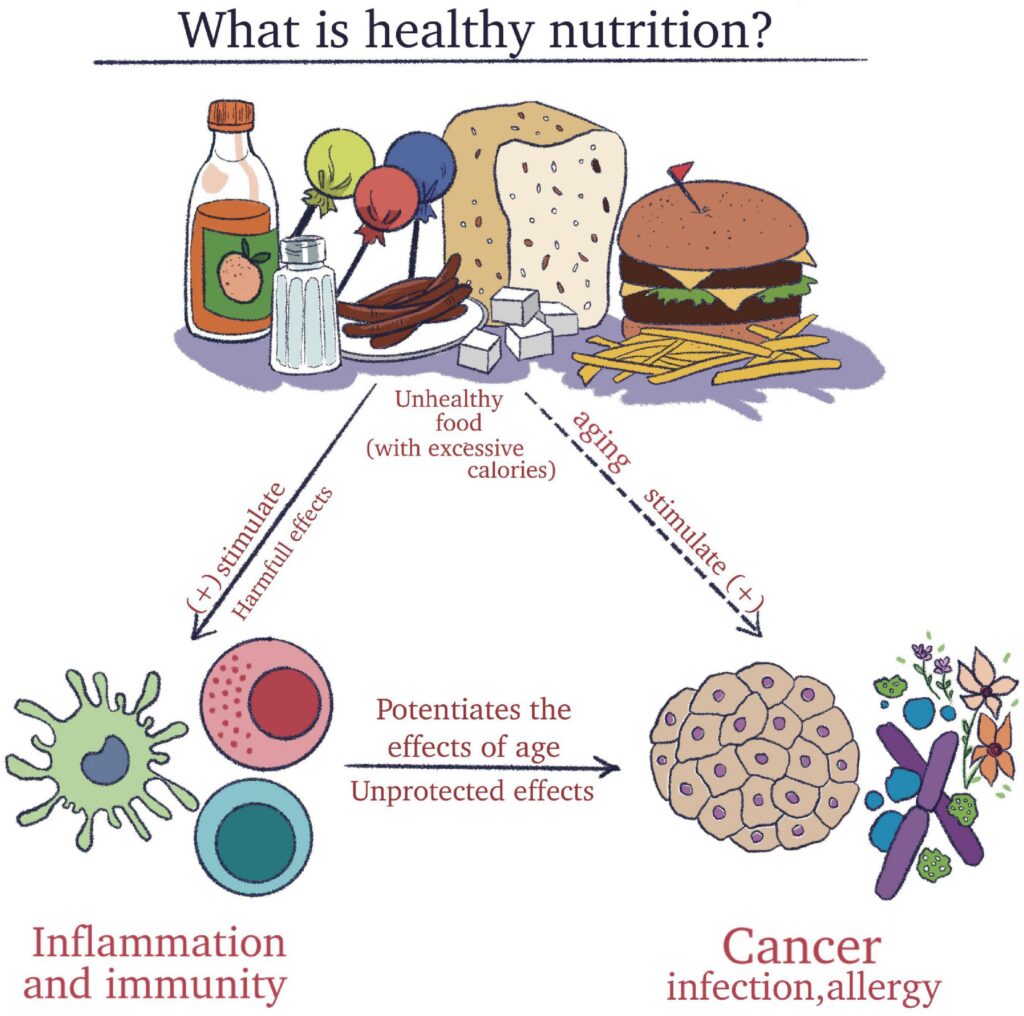
Focusing on the essential nutrients like Vitamin C, Vitamin D, Zinc, Vitamin A, Vitamin E, Selenium, Omega-3 fatty acids, Iron, Probiotics, and Protein can give your immune system the support it needs to function optimally. Coupled with good hydration, regular exercise, quality sleep, and effective stress management, you can enhance your body’s capacity to fend off infections and stay healthy. Small dietary changes and mindful lifestyle habits can make a big difference in overall immune support.
Feel free to start incorporating these nutrients and lifestyle practices today for a healthier, more resilient you. Your body will thank you!
