
Have you been contemplating the idea of starting your fitness journey but are overwhelmed by the thought of going to a gym? Creating a home gym might be your perfect solution. This guide will walk you through everything you need to know to set up your own workout space and get started on the road to fitness right in the comfort of your home.

Benefits of a Home Gym
Creating a home gym offers a myriad of benefits that can make your fitness journey smoother and more enjoyable.
Convenience
When you have a gym in your home, there’s no need to commute or adjust your schedule to fit into a gym’s hours. You can work out whenever it suits you, whether that’s early morning, late at night, or during a lunch break.
Cost-Effective
Sure, setting up a home gym requires some initial investment, but it often turns out to be more cost-effective in the long run. You save on monthly gym memberships, travel expenses, and even workout clothes since you’ll be working out at home where no one is judging your fashion choices.
Privacy
For many beginners, the idea of working out in a crowded gym can be daunting. A home gym provides a private, comfortable environment where you can focus on your fitness without feeling self-conscious.
Customization
In a home gym, you have total control over the equipment and setup. Whether you prefer yoga, weightlifting, or cardio, you can outfit your space to fit your specific needs.
Essential Equipment for a Basic Home Gym
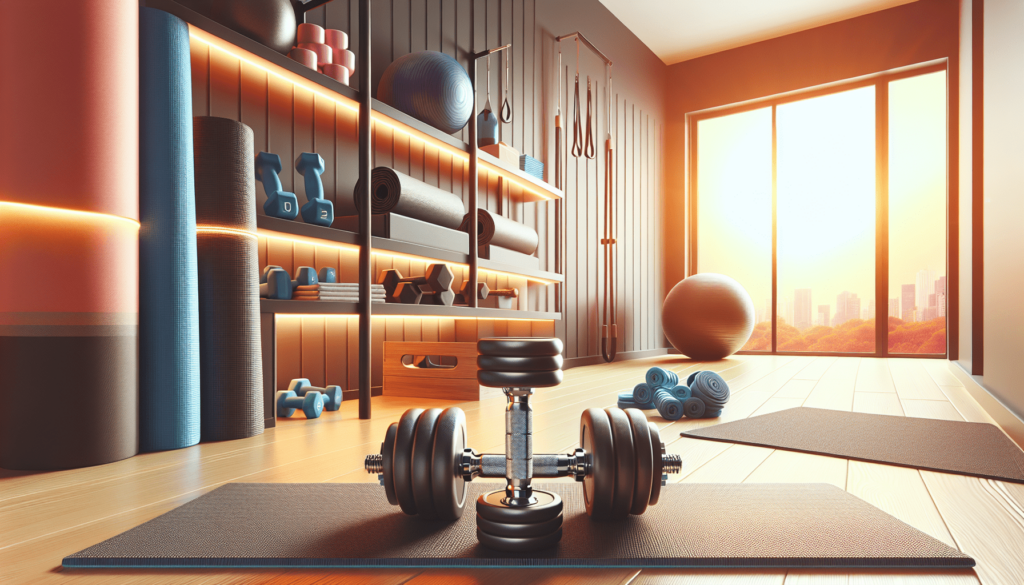
Setting up a home gym doesn’t need to be expensive or space-consuming. You can start with a few essential pieces of equipment and gradually add more as you progress.
Dumbbells
Dumbbells are versatile and can be used for a wide range of exercises targeting different muscle groups. Start with a light to moderate set, and consider adjustable dumbbells to save space and money.
Resistance Bands
Resistance bands are great for strength training and can be easily stored away when not in use. They come in various resistance levels, making them suitable for different fitness stages.
Yoga Mat
A yoga mat is not just for yoga. It’s essential for floor exercises, stretching, and providing a non-slip surface for workouts. Look for a mat that’s thick enough to provide cushioning.
Jump Rope
Jump ropes are an excellent, inexpensive tool for cardio. They help improve coordination and burn calories efficiently. Plus, they take up very little space.
Stability Ball
A stability ball can be used for core exercises, balance training, and even as a substitute for a bench in some exercises. Make sure you choose a ball that’s the right size for your height.
Pull-Up Bar
A pull-up bar is perfect for upper body exercises. If you can’t do pull-ups yet, many bars offer additional functionalities like holding resistance bands for assisted pull-ups.
Kettlebell
Kettlebells are great for dynamic exercises that work multiple muscle groups simultaneously. Start with a weight that you’re comfortable with and gradually increase as you get stronger.
Bench
While not essential, a bench can be highly beneficial for various exercises. A foldable or adjustable bench can fit into smaller spaces and offer multiple workout options.
Foam Roller
A foam roller is a great tool for muscle recovery and can be used for self-myofascial release to help prevent injuries.
Table: Essential Home Gym Equipment
| Equipment | Purpose |
|---|---|
| Dumbbells | Strength training |
| Resistance Bands | Strength and flexibility |
| Yoga Mat | Floor exercises and stretching |
| Jump Rope | Cardiovascular workout |
| Stability Ball | Core and balance training |
| Pull-Up Bar | Upper body strengthening |
| Kettlebell | Dynamic, full-body workouts |
| Bench | Versatile strength exercises |
| Foam Roller | Muscle recovery |

Setting Up Your Home Gym
Setting up your home gym requires some planning to make the most of your available space and budget.
Assess Your Space
The first step is to determine how much space you have available. Whether it’s a spare room, a garage, or a small corner in your living room, knowing your dimensions will help you select the right equipment.
Flooring
Invest in good flooring, such as interlocking rubber tiles or gym mats, to protect your floors and reduce noise. Proper flooring also provides better grip and reduces the risk of injuries.
Lighting and Ventilation
Good lighting and ventilation are crucial for creating a pleasant workout environment. Natural light is great if you have it, but any bright and evenly distributed lighting will do. Fans or an air conditioning unit can help keep the space cool and comfortable.
Storage Solutions
Get creative with storage to keep your space organized. Wall-mounted racks, shelves, and storage bins can help you store equipment neatly and accessibly.
Safety First
Ensure that the area is free of potential hazards like sharp objects or unstable furniture. Keep a first-aid kit nearby and make sure you have easy access to water for hydration.
Music and Motivation
Set up a sound system or use a portable speaker to play your favorite workout tunes. Having a mirror can also be motivational as it allows you to monitor your form and progress.
Table: Home Gym Setup Checklist
| Checklist Item | Notes |
|---|---|
| Assess Your Space | Measure dimensions |
| Flooring | Use rubber tiles or gym mats |
| Lighting and Ventilation | Ensure good lighting and air circulation |
| Storage Solutions | Use racks, shelves, and bins |
| Safety | Remove hazards, have a first-aid kit |
| Music and Motivation | Set up a sound system or speaker, mirror |
Designing a Beginner Workout Plan
Having a workout plan tailored to beginners is essential to getting started on the right foot.
Determine Your Goals
Before you start, it’s important to determine what you want to achieve. Are you looking to lose weight, build muscle, improve flexibility, or increase overall fitness? Your goals will guide your workout plan.
Balanced Routine
A balanced workout plan includes cardio, strength training, and flexibility exercises. Beginner routines should be simple yet effective, allowing you to build a strong foundation without overwhelming you.
Sample Weekly Workout Plan
Here’s a sample weekly workout plan to get you started:
Day 1: Full-Body Strength Training
- Warm-Up: 5 minutes of light cardio (jumping jacks, brisk walk, etc.)
- Dumbbell Squats: 3 sets of 10-12 reps
- Push-Ups: 3 sets of 10-12 reps
- Bent-Over Rows: 3 sets of 10-12 reps (use dumbbells)
- Abdominal Crunches: 3 sets of 15 reps
- Cool Down: Stretching for 5 minutes
Day 2: Cardio and Core
- Warm-Up: 5 minutes of light cardio
- Jump Rope: 30 seconds on, 30 seconds off for 10 minutes
- Plank: 3 sets of 30-60 seconds
- Russian Twists: 3 sets of 20 reps
- Cool Down: Stretching and deep breathing
Day 3: Rest or Active Recovery
- Activities: Gentle yoga, walking, or light stretching
Day 4: Upper Body Strength Training
- Warm-Up: 5 minutes of light cardio
- Dumbbell Shoulder Press: 3 sets of 10-12 reps
- Dumbbell Bicep Curls: 3 sets of 10-12 reps
- Tricep Dips: 3 sets of 10-12 reps
- Pull-Ups or Assisted Pull-Ups: 3 sets of 5-8 reps
- Cool Down: Stretching for 5 minutes
Day 5: Cardio and Lower Body
- Warm-Up: 5 minutes of light cardio
- Jump Rope: 30 seconds on, 30 seconds off for 10 minutes
- Lunges: 3 sets of 10-12 reps per leg
- Glute Bridges: 3 sets of 15 reps
- Calf Raises: 3 sets of 15-20 reps
- Cool Down: Stretching and foam rolling
Day 6: Flexibility and Balance
- Warm-Up: Gentle stretching
- Yoga Session: 30 minutes focusing on flexibility
- Balance Exercises: Single leg stands, stability ball exercises
- Cool Down: Deep breathing and relaxation
Day 7: Rest
- Activities: Rest or engage in light, enjoyable activities
Table: Sample Weekly Workout Plan
| Day | Focus | Activities |
|---|---|---|
| Day 1 | Full-Body Strength Training | Squats, Push-Ups, Rows, Crunches |
| Day 2 | Cardio and Core | Jump Rope, Plank, Russian Twists |
| Day 3 | Rest or Active Recovery | Walking, Gentle Yoga |
| Day 4 | Upper Body Strength Training | Shoulder Press, Bicep Curls, Tricep Dips, Pull-Ups |
| Day 5 | Cardio and Lower Body | Jump Rope, Lunges, Glute Bridges, Calf Raises |
| Day 6 | Flexibility and Balance | Yoga, Balance Exercises |
| Day 7 | Rest | Rest or Light Activities |

Staying Motivated
Staying motivated is often one of the biggest challenges in maintaining a workout routine. Here are some tips to keep your motivation high.
Set Realistic Goals
Setting achievable, short-term goals can provide immediate milestones that keep you focused and motivated.
Track Your Progress
Keep a fitness journal or use a fitness app to track your progress. Seeing improvements, no matter how small, can be incredibly motivating.
Reward Yourself
Reward yourself for hitting your goals. Whether it’s a relaxing bath, a new workout outfit, or a special treat, rewards can provide positive reinforcement.
Mix It Up
Variety is the spice of fitness. Mix up your routines to keep things interesting. Try new exercises or even different types of workouts like dance classes or martial arts.
Get Support
Having a workout buddy or joining a fitness community online can provide support and accountability. Share your goals and progress to stay motivated.
Nutrition for Beginners
Exercise and nutrition go hand in hand. Fueling your body with the right nutrients is crucial for your performance and recovery.
Balanced Diet
A balanced diet includes carbohydrates, proteins, and fats. Carbohydrates provide energy, proteins are essential for muscle repair and growth, and fats are important for overall health.
Hydration
Staying hydrated is essential, especially when you’re working out. Make sure to drink plenty of water throughout the day and more during your workout sessions.
Pre-Workout Nutrition
Eating a small snack that is rich in carbohydrates and moderate in protein about 30-60 minutes before your workout can help you perform better.
Post-Workout Nutrition
After working out, your body needs nutrients to recover. Consuming a meal or snack with protein and carbohydrates within an hour after your workout can help replenish your energy stores and aid in muscle recovery.
Table: Simple Nutrition Guide
| Meal | Focus | Examples |
|---|---|---|
| Breakfast | Balanced start to the day | Oatmeal with fruits, whole grain toast with avocado |
| Pre-Workout Snack | Energize your workout | Banana, Greek yogurt, a small smoothie |
| Post-Workout Meal | Recovery and replenishment | Grilled chicken with quinoa, protein shake |
| Snacks | Healthy and convenient | Nuts, veggies and hummus, fruits |
| Dinner | Balanced and light | Salmon with sweet potatoes, tofu stir-fry with veggies |
Tracking Your Progress
Tracking your progress is essential for staying motivated and making necessary adjustments to your workout plan.
Fitness Journal
Keeping a fitness journal can help you jot down details of your workout routine, how you felt, and any other observations. Over time, you can look back and see your progress.
Photos and Measurements
Taking regular photos and body measurements can provide a visual representation of your progress, which can be very encouraging.
Apps and Wearables
There are numerous apps and wearable devices available that can track your workouts, steps, heart rate, and other important metrics. These tools can offer valuable insights into your progress and areas for improvement.
Overcoming Common Challenges
While embarking on your fitness journey, you might encounter some common challenges. Here’s how to tackle them:
Lack of Time
If time is a constraint, focus on more efficient, high-intensity interval training (HIIT) workouts that can give you maximum benefits in shorter sessions.
Boredom
As mentioned earlier, mixing up your routine can keep things interesting. Introduce new workout styles or exercises to keep boredom at bay.
Plateaus
Hitting a plateau can be frustrating. This is when your progress seems to stall. To overcome this, try changing your workout routine, increasing intensity, or focusing on different muscle groups to challenge your body in new ways.
Injuries
Prevent injuries by warming up before workouts and cooling down afterward. Listen to your body and avoid overdoing it. If you experience pain, consult a healthcare professional.
Lack of Motivation
If motivation wanes, revisit your goals and remind yourself why you started. Engage with a fitness community or seek a workout buddy to keep yourself accountable.
Final Thoughts on Creating a Home Gym for Beginner Fitness
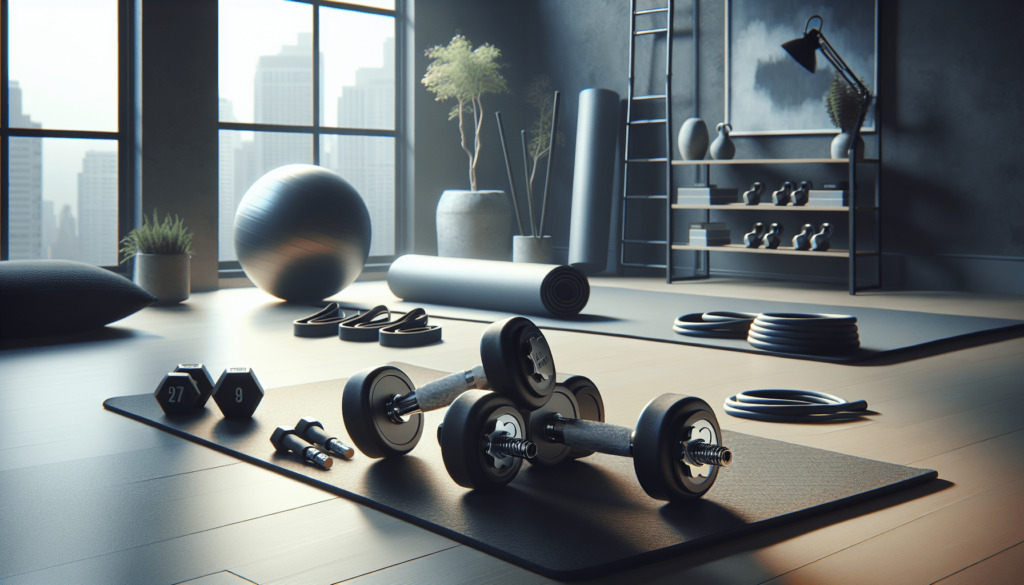
Creating a home gym is a fantastic way to start your fitness journey. It offers convenience, cost-effectiveness, and a personalized space to work out. Begin with essential equipment, plan your space effectively, and design a workout plan that meets your goals.
Staying motivated involves setting realistic goals, tracking progress, and celebrating your accomplishments. Additionally, proper nutrition supports your fitness efforts and aids in recovery.
With these tips and strategies, you’ll find yourself well on your way to achieving your fitness goals from the comfort of your home. Remember, the most important step is getting started and staying consistent. Your fitness journey is unique to you, and creating a home gym tailored to your needs is an excellent first step. Happy training!