
Have you ever wondered how your diet can impact your fitness goals, especially when you’re just starting out? As you embark on your journey towards better health and fitness, one of the most crucial elements to consider is your eating habits. This article aims to guide you through developing healthy eating habits to support your fitness goals as a beginner.
Understanding the Importance of Nutrition
Before diving into specific habits, it’s essential to understand why nutrition is critical. Whether your goal is to lose weight, build muscle, or boost your energy levels, the food you consume plays a significant role. Proper nutrition provides the energy needed for workouts, aids in recovery, and supports muscle growth.
Energy Levels and Performance
When you fuel your body with the right nutrients, you can perform better during workouts and daily activities. Your stamina and endurance improve, making it easier to stick to a consistent exercise routine.
Recovery and Muscle Growth
Post-workout recovery is crucial for muscle growth and repair. Consuming the right foods can help reduce muscle soreness and speed up recovery time, allowing you to continue your fitness journey without unnecessary setbacks.
Key Components of a Balanced Diet
A balanced diet is vital for anyone looking to support their fitness goals. It comprises various macronutrients and micronutrients that work together to keep your body functioning optimally.
Macronutrients
Macronutrients include carbohydrates, proteins, and fats. Each of these plays a different yet equally important role in your diet.
Carbohydrates
Carbohydrates are your body’s primary source of energy. They are essential for fueling your workouts and daily activities. Opt for complex carbohydrates like whole grains, fruits, and vegetables.
| Food Item | Type |
|---|---|
| Whole Grains | Complex Carb |
| Fruits | Complex Carb |
| Vegetables | Complex Carb |
Proteins
Proteins are the building blocks of muscles. They help repair and build muscle tissue, making them essential after workouts. Good sources of protein include lean meats, fish, eggs, and plant-based options like beans and legumes.
| Food Item | Type |
|---|---|
| Lean Meats | Animal Protein |
| Fish | Animal Protein |
| Beans | Plant Protein |
| Legumes | Plant Protein |
Fats
Fats are essential for hormone production and overall health. Choose healthy fats like those found in avocados, nuts, seeds, and olive oil.
| Food Item | Type |
|---|---|
| Avocado | Healthy Fat |
| Nuts | Healthy Fat |
| Seeds | Healthy Fat |
| Olive Oil | Healthy Fat |
Micronutrients
Micronutrients include vitamins and minerals that are essential for various bodily functions. Ensure you’re getting a variety of vitamins and minerals by eating a colorful array of fruits and vegetables.
Healthy Eating Habits to Adopt
Here are some practical eating habits you can adopt to support your fitness goals.
Plan Your Meals
Meal planning helps you make healthier food choices and ensures you’re getting the right balance of macronutrients and micronutrients.
Weekly Meal Prep
Spend some time each week planning and preparing your meals. This can save you time and make it easier to stick to your diet.
Hydrate Properly
Staying hydrated is crucial for overall health and performance. Aim to drink at least 8 glasses of water a day, and more if you’re engaging in intense workouts.
Portion Control
Understanding portion sizes can help you avoid overeating. Use smaller plates and bowls to help control portion sizes and prevent mindless eating.
Eat Mindfully
Mindful eating encourages you to pay attention to your hunger cues and savor your food. This can help prevent overeating and improve your relationship with food.
Balance Your Plate
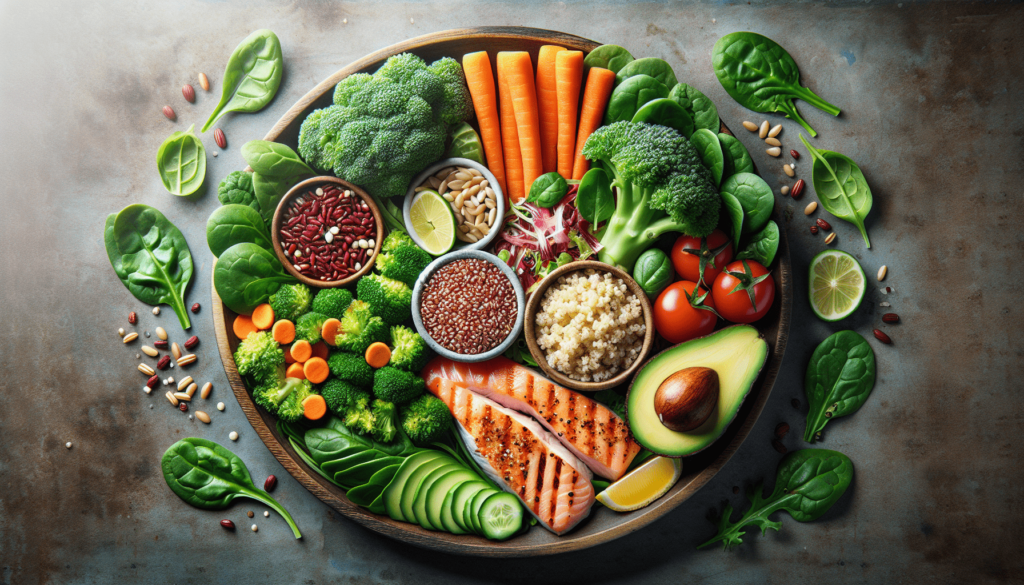
Aim to fill half your plate with vegetables, a quarter with lean protein, and the remaining quarter with whole grains. This ensures you’re getting a balanced meal every time.
Pre-Workout Nutrition
What you eat before a workout can significantly impact your performance and results.
Timing
Aim to eat a small meal or snack 30 minutes to 2 hours before your workout. This allows your body to digest the food and use it for energy.
Choosing the Right Foods
Opt for a combination of carbohydrates and protein. Carbs provide quick energy, while protein helps with muscle repair.
| Time Before Workout | Recommended Foods |
|---|---|
| 30 Minutes | Banana, Greek yogurt |
| 1-2 Hours | Whole grain toast with almond butter |
Post-Workout Nutrition
Equally important is what you eat after a workout to aid recovery and muscle growth.
Timing
Try to eat within 30 minutes to 2 hours after exercising. This helps replenish glycogen stores and aids in muscle recovery.
Choosing the Right Foods
Focus on a mix of protein and carbohydrates. A protein shake, a turkey sandwich, or a bowl of quinoa with vegetables are excellent options.
| Time After Workout | Recommended Foods |
|---|---|
| 30 Minutes | Protein shake, chocolate milk |
| 1-2 Hours | Turkey sandwich, quinoa bowl |
Common Mistakes to Avoid
It’s easy to make mistakes when you’re just starting your fitness journey. Here are some pitfalls to watch out for:
Skipping Meals
Skipping meals can lead to overeating later in the day and hinder your fitness progress. Aim for three balanced meals and two snacks daily.
Overloading on Supplements
While supplements can help, they shouldn’t replace real food. Focus on getting nutrients from whole foods first.
Ignoring Hunger Cues
Listen to your body. If you’re hungry, it’s okay to eat. Ignoring hunger cues can lead to overeating later and disrupt your fitness goals.
Not Tracking Progress
Keep track of what you’re eating and how it’s affecting your fitness goals. This can help you make necessary adjustments and stay on track.
Conclusion
Healthy eating habits are a cornerstone of any successful fitness journey. By understanding the importance of nutrition, adopting balanced eating habits, and avoiding common mistakes, you can set yourself up for success. Remember, the goal is not perfection but progress. Take it one meal at a time, and you’ll see the benefits in no time.