
Have you ever wondered how you can make your workouts more efficient, versatile, and convenient without breaking the bank? Whether you’re a fitness enthusiast or looking to start a new exercise routine, investing in a set of resistance loop bands could be the perfect solution for you. These simple yet effective workout tools have garnered worldwide attention for all the right reasons. In this article, we’ll dive into the myriad benefits of resistance loop bands and why they should be a staple in your fitness regimen.
What Are Resistance Loop Bands?
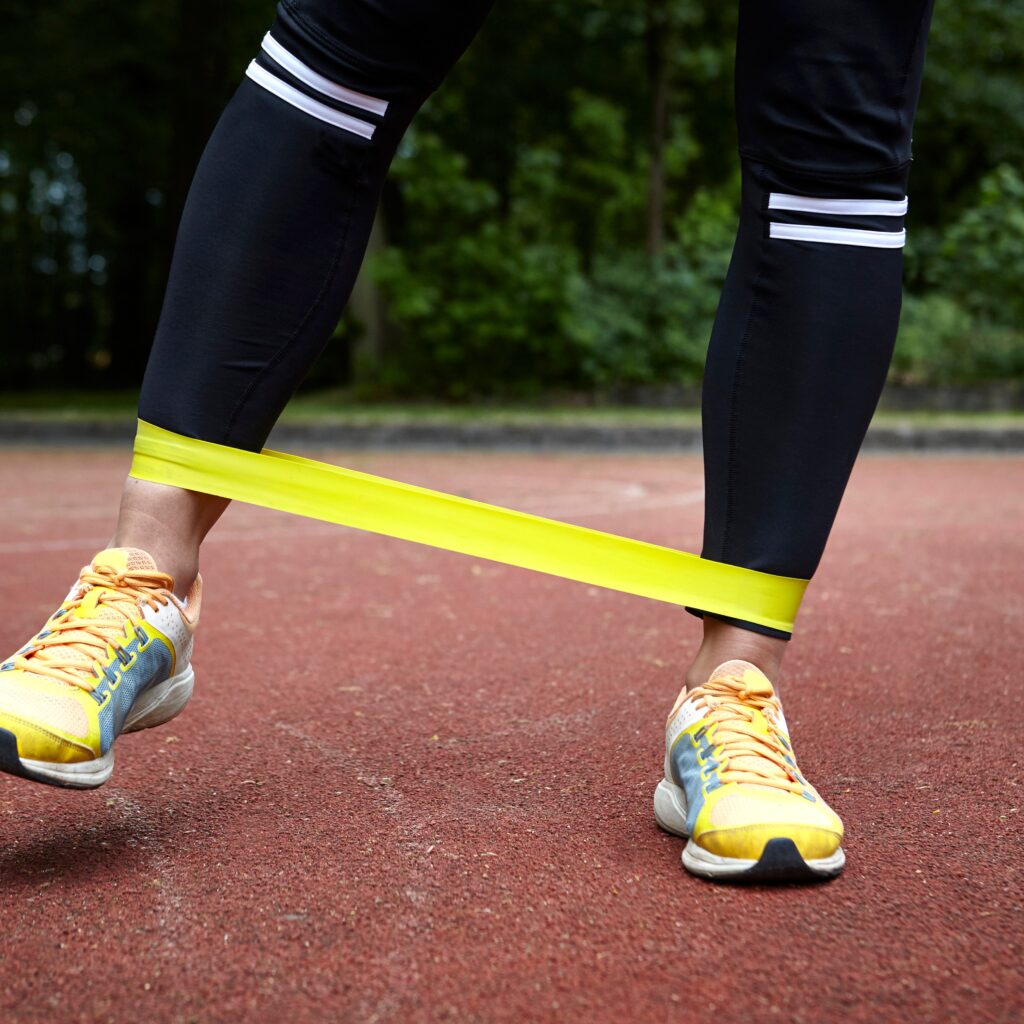
Resistance loop bands, also known as exercise bands or fitness bands, are elastic bands used for strength training and physical therapy. They come in a variety of lengths, thicknesses, and resistances to accommodate different levels of fitness and types of exercises. Typically made from latex or rubber, resistance loop bands can be incorporated into nearly any workout routine, from yoga to strength training.
Types of Resistance Loop Bands
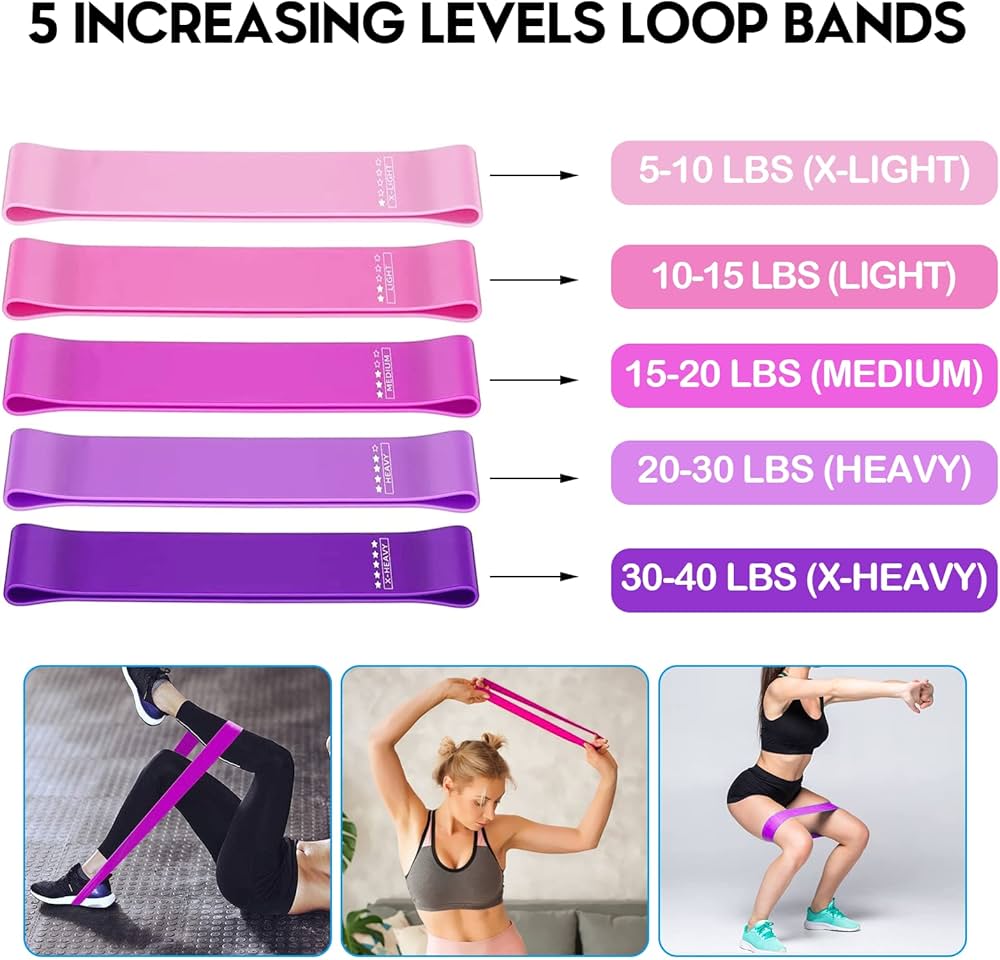
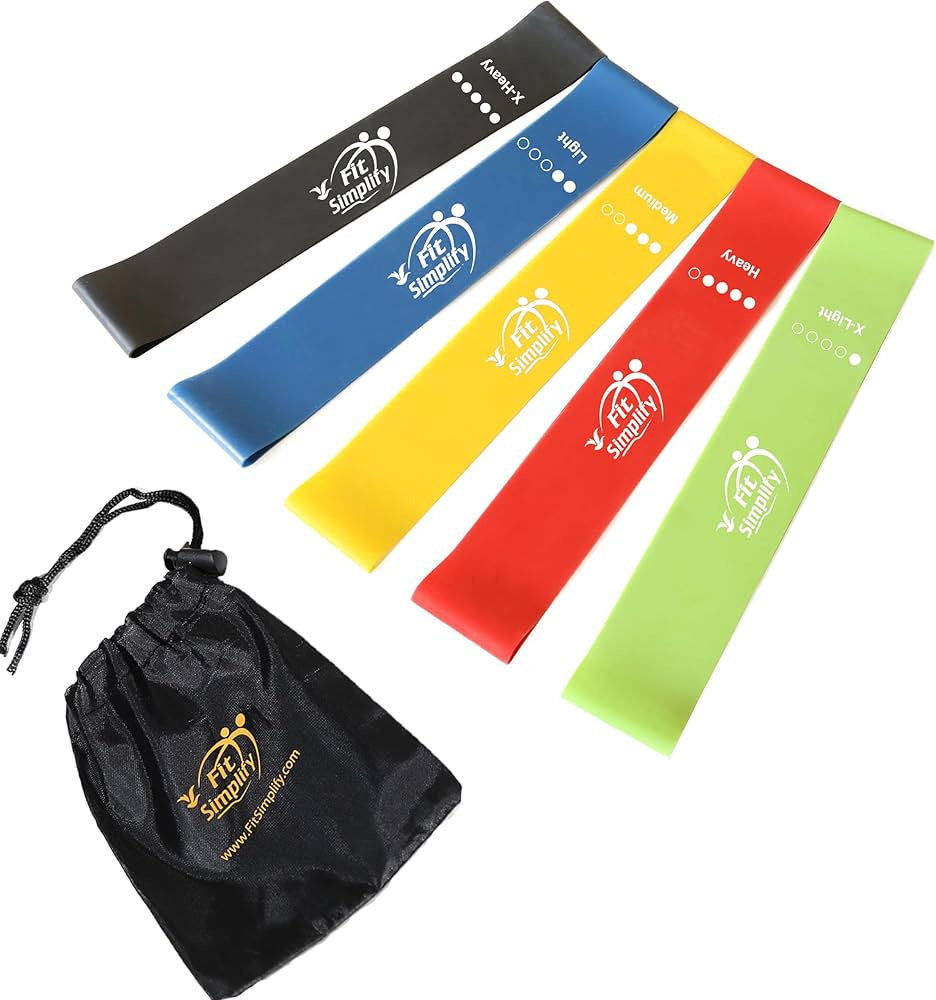
There are several types of resistance loop bands available, each suited for different exercises and fitness goals. Here are the main types:
| Type | Description |
|---|---|
| Light Resistance Bands | Ideal for beginners or for exercises that require a higher range of motion. |
| Medium Resistance Bands | Suitable for moderate strength training and flexibility exercises. |
| Heavy Resistance Bands | Perfect for advanced strength training and muscle building workouts. |
| Extra Heavy Bands | Best for very strong individuals or athletes looking to enhance performance. |
Knowing the different types helps you choose the right set to meet your specific fitness needs.
Benefits of Using Resistance Loop Bands
The versatility and effectiveness of resistance loop bands make them an excellent investment for anyone interested in maintaining or improving their physical health. Let’s look at some of the key benefits:
Portability
One of the standout features of resistance loop bands is their portability. Unlike bulky gym equipment, these bands are lightweight and compact, making them easy to carry around. Whether you’re traveling, working out at home, or heading to a gym, resistance loop bands can be conveniently packed in your bag.
Cost-Effective
Traditional gym memberships and home exercise equipment can be expensive. Resistance loop bands, on the other hand, are relatively inexpensive yet offer a wide range of exercise options. They provide a budget-friendly way to get a full-body workout without sacrificing quality or efficiency.
Versatility
From warming up to cooling down, resistance loop bands can be used in virtually any part of your workout routine. They can target all major muscle groups and are useful for a variety of exercises, including:
- Squats
- Lunges
- Glute bridges
- Arm curls
- Chest presses
Their flexibility allows you to switch between different types of exercises without the need for multiple pieces of equipment.
Improve Flexibility and Balance
Incorporating resistance loop bands into your workout can significantly improve your flexibility and balance. The bands add an element of instability, forcing your muscles to engage more intensely to maintain form. This added resistance is particularly beneficial for exercises like lunges and yoga poses.
Enhances Strength Training
Resistance loop bands provide continuous tension during both the concentric and eccentric phases of movement, making them ideal for strength training. Whether you’re looking to build muscle mass or tone your body, these bands can be a potent addition to your fitness arsenal.
Rehabilitation and Injury Prevention
Because they offer low-impact resistance, resistance loop bands are commonly used in physical therapy and rehabilitation. They help strengthen muscles without the risk of injury associated with heavy weights. Including resistance loop bands in your exercise routine can also help prevent injuries by improving muscle coordination and stability.

How to Choose the Right Resistance Loop Bands
Selecting the right set of resistance loop bands can make a significant difference in your workout experience. Here are some tips to help you choose the best bands for your needs:
Material Quality
Not all resistance loop bands are created equal. The material quality can affect the band’s durability, elasticity, and overall performance. Look for bands made from high-quality latex or rubber to ensure they can withstand regular use without snapping or losing their elasticity.
Resistance Levels
As mentioned earlier, resistance loop bands come in different resistance levels, from light to extra heavy. It’s essential to choose a set that includes multiple resistance levels so you can adjust the intensity of your workouts as needed. This flexibility allows you to progress and challenge yourself continually.
Size and Length
The size and length of the resistance loop bands are crucial factors to consider. Longer bands are ideal for exercises requiring a broader range of motion, while shorter bands provide more resistance for strength training exercises. It’s beneficial to have a variety of sizes to suit different types of exercises and body types.
Brand Reputation
When purchasing resistance loop bands, opting for reputable brands ensures you’re getting a quality product. Reading customer reviews and checking ratings can give you an idea of the band’s reliability and effectiveness.
Price
While resistance loop bands are generally affordable, prices can vary depending on the brand and quality. It’s essential to balance cost and quality to get the best value for your money.
How to Use Resistance Loop Bands Effectively
To maximize the benefits of resistance loop bands, it’s crucial to use them correctly. Here are some tips and exercises to get you started:
Warm-Up
Using resistance loop bands for your warm-up can help prepare your muscles and joints for more intense activities. Try incorporating exercises like leg swings, arm circles, and band pull-aparts into your warm-up routine.
Full-Body Workouts
Resistance loop bands can be utilized for full-body workouts that target multiple muscle groups. Here are a few exercises to try:
- Squats: Place the band just above your knees and perform squats to engage your glutes, quads, and hamstrings.
- Lateral Band Walks: Step sideways while keeping the band around your ankles to strengthen your hip abductors.
- Chest Press: Attach the band to a stationary object and perform chest presses to work your chest and triceps.
Isolation Exercises
For targeted muscle building, resistance loop bands can be used in isolation exercises such as:
- Bicep Curls: Stand on the band and curl your arms to work your biceps.
- Tricep Extensions: Hold the band above your head and extend your arms to target your triceps.
- Leg Raises: Wrap the band around your ankles and lift your legs to engage your lower abdominal muscles.
Stretching and Flexibility
Resistance loop bands can also aid in stretching exercises to improve your flexibility. Use the bands to deepen stretches in poses like hamstring stretches, shoulder stretches, and seated forward bends.
Consistency is Key
Like any other form of exercise, consistency is essential when using resistance loop bands. Regularly incorporating them into your routine will yield the best results and help you progress toward your fitness goals.
Common Mistakes to Avoid
While resistance loop bands are relatively easy to use, there are some common mistakes that can hinder your progress or even lead to injury. Here are a few to watch out for:
Incorrect Band Placement
Placing the band in the wrong position can decrease the effectiveness of the exercise and put undue stress on your joints. Make sure to follow proper guidelines for band placement to target the intended muscle groups.
Using the Wrong Resistance Level
Using a band with too much or too little resistance can compromise your form and effectiveness. Start with a lighter band and gradually increase the resistance as you build strength.
Neglecting Form
Proper form is essential to maximize the benefits of resistance loop bands and prevent injuries. Make sure to maintain proper posture and alignment during exercises.
Overuse
It’s important to give your muscles time to recover after intense workouts. Overusing resistance loop bands can lead to muscle fatigue and increase the risk of injury. Incorporate rest days into your routine for optimal recovery.
Advanced Techniques and Variations
Once you’ve mastered the basics, there are plenty of advanced techniques and variations you can try to keep your workouts challenging and engaging.
Supersetting
Supersetting involves performing two exercises back-to-back without rest. This technique can increase the intensity of your workout and boost your calorie burn. For example, you can pair squats with resistance loop band lateral walks for a leg-focused superset.
Progressive Overload
To continue making progress, it’s essential to apply the principle of progressive overload. Gradually increase the resistance or number of repetitions to challenge your muscles continually.
Combining with Other Equipment
Resistance loop bands can be combined with other exercise equipment, such as dumbbells, kettlebells, or stability balls, to diversify your workouts and target different muscle groups. For example, you can add a resistance band to your dumbbell shoulder press for added intensity.
Circuit Training
Incorporating resistance loop bands into circuit training can elevate your workouts. Create a circuit of different band exercises, performing each one for a set amount of time before moving to the next. This approach keeps your heart rate up and maximizes your calorie burn.
Incorporating Resistance Loop Bands into Specific Workouts
Resistance loop bands can be seamlessly integrated into various workout routines. Here’s how you can use them in specific types of workouts:
Strength Training
In strength training routines, resistance loop bands can serve as an alternative to free weights or as an additional resistance. Use them for exercises like chest presses, deadlifts, and squats to build muscle and improve strength.
Pilates
Resistance loop bands can add a new dimension to your Pilates practice. They can be used to intensify core exercises, such as leg stretches or the hundred, providing extra resistance and enhancing muscle activation.
Yoga
Enhance your yoga practice by incorporating resistance loop bands into your flows. Use them to deepen stretches, add resistance to poses like warrior II, or increase stability in balancing poses.
High-Intensity Interval Training (HIIT)
Adding resistance loop bands to your HIIT workouts can increase the intensity and challenge of the exercises. Incorporate the bands into exercises like burpees, mountain climbers, and jump squats to boost your calorie burn.
Conclusion
Investing in a set of resistance loop bands offers numerous benefits that can enhance your overall fitness routine. These versatile, portable, and cost-effective tools are perfect for individuals of all fitness levels. They provide an efficient way to improve strength, flexibility, and balance while also aiding in rehabilitation and injury prevention.
By choosing the right bands and using them effectively, you can transform your workouts and achieve your fitness goals. Remember to maintain proper form, start with an appropriate resistance level, and stay consistent in your routine. With the numerous exercises and advanced techniques available, resistance loop bands are a valuable addition to any fitness regimen.
So, if you’re looking to enhance your workouts without the need for expensive and bulky equipment, resistance loop bands are definitely worth considering. Give them a try and experience the incredible benefits they can bring to your fitness journey.
