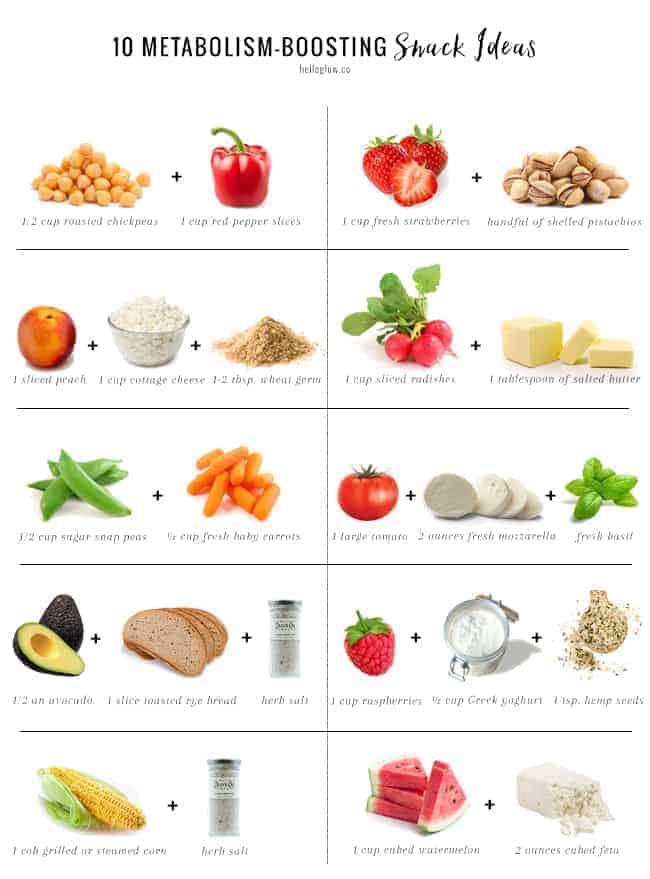
Have you ever wondered how you can naturally boost your metabolism simply through the foods you eat? Your metabolism plays a crucial role in how your body converts food into energy, and having an efficiently running metabolism can impact everything from your energy levels to your weight management. By making smart dietary choices, you can give your metabolism the kick it needs.
Understanding Metabolism
What is Metabolism?
Metabolism is the complex network of chemical processes that your body uses to maintain life. It involves converting foods and drinks into energy, which is then used for all the activities and functions you perform, even at rest. Your metabolic rate is the speed at which your body performs these processes, and it can be influenced by numerous factors including age, gender, muscle mass, and genetics.
Why is Metabolism Important?
Understanding your metabolism is key to managing your weight, improving energy levels, and enhancing overall health. When your metabolism is functioning optimally, you effectively burn calories and maintain a healthy weight. Conversely, a sluggish metabolism can lead to weight gain and feelings of fatigue.
Factors Affecting Metabolism
Several factors can influence your metabolic rate. Some you can control, while others you cannot. Here’s a closer look:
Age
As you age, your metabolism tends to slow down. This is partly due to a natural loss of muscle mass and hormonal changes.
Gender
Men typically have a higher metabolism than women because they have more muscle mass. Muscle burns more calories than fat, even when resting.
Muscle Mass
The more muscle you have, the more calories you burn, even when you’re not exercising. Increasing your muscle mass can lead to a higher resting metabolic rate.
Genetics
Your genetic makeup can play a role in determining your metabolic rate. Some people naturally burn calories more quickly than others.
Physical Activity
Exercise boosts your metabolic rate. Regular physical activity can help increase your muscle mass, further enhancing your metabolism.
Foods That Boost Metabolism
Certain foods and nutrients can increase your metabolic rate. Incorporating these into your diet can make a significant difference.
Protein-Rich Foods
Eating foods high in protein can increase your metabolic rate for a few hours. This is known as the thermic effect of food (TEF). Protein also helps build and repair muscles, further aiding metabolism.
- Eggs: High in quality protein and fat-soluble vitamins.
- Chicken breast: Lean and rich in essential amino acids.
- Legumes and pulses: Great plant-based protein sources.
| Protein Source | Calories | Protein (g) | Other Nutrients |
|---|---|---|---|
| Eggs (1 large) | 78 | 6 | Vitamin D, B6, B12, and selenium |
| Chicken breast (100g) | 165 | 31 | B vitamins, phosphorus |
| Lentils (1 cup) | 230 | 18 | Iron, fiber, folate |
Iron, Zinc, and Selenium-Rich Foods
These minerals are vital for the proper functioning of the thyroid gland, which regulates metabolism. Deficiencies in these minerals can reduce your metabolic rate.
- Shellfish: Oysters and clams are excellent sources.
- Red meat: Beef and lamb provide ample amounts.
- Nuts and seeds: Versatile sources that can be easily added to any diet.
| Mineral Source | Iron (mg) | Zinc (mg) | Selenium (mcg) |
|---|---|---|---|
| Oysters (6 medium) | 4.5 | 32 | 36 |
| Beef (100g) | 2.6 | 6.2 | 33 |
| Brazil nuts (6-8) | 0.8 | 0.9 | 544 |
Spices
Certain spices can boost your metabolic rate by increasing your body’s temperature and making you burn more calories.
- Cayenne pepper: Contains capsaicin, which boosts metabolism.
- Ginger: Can increase metabolic rate and improve digestion.
- Turmeric: Contains curcumin, which has anti-inflammatory and metabolic-boosting properties.
| Spice | Active Component | Metabolic Effect |
|---|---|---|
| Cayenne Pepper | Capsaicin | Thermogenic, increases calorie burning |
| Ginger | Gingerol | Enhances digestion, slightly increases metabolism |
| Turmeric | Curcumin | Anti-inflammatory, supports metabolic health |
Fiber-Rich Foods
Foods high in fiber can improve digestion and increase your body’s ability to burn fat. They also help you feel full longer, reducing the likelihood of overeating.
- Vegetables: Such as broccoli, spinach, and kale.
- Fruits: Like apples, pears, and berries.
- Whole grains: Oatmeal, quinoa, and barley.
| Food | Fiber Content (g) | Other Benefits |
|---|---|---|
| Broccoli (1 cup) | 5.1 | High in vitamin C and K |
| Apple (1 medium) | 4.4 | Contains vitamins A and C |
| Quinoa (1 cup) | 5.2 | Complete protein, high in magnesium |
Green Tea and Coffee
Both green tea and coffee can temporarily increase your metabolic rate and aid in fat burning.
- Green Tea: Contains catechins and caffeine.
- Coffee: High in caffeine, which can boost metabolism and aid in fat burning.
| Beverage | Key Components | Metabolic Boost |
|---|---|---|
| Green Tea | Catechins, caffeine | Enhances fat oxidation, modest boost in metabolic rate |
| Coffee | Caffeine | Increases metabolic rate, improves physical performance |
Meal Timing and Frequency
Not just what you eat, but when and how often you eat can also affect your metabolism.
Eat Small, Frequent Meals
Eating small, balanced meals throughout the day can help keep your metabolism running smoothly. By eating every 3-4 hours, you maintain energy levels and prevent your metabolism from slowing down.
Don’t Skip Breakfast
Starting your day with a nutritious breakfast can kickstart your metabolism. It gives your body the fuel it needs to start burning calories right away.
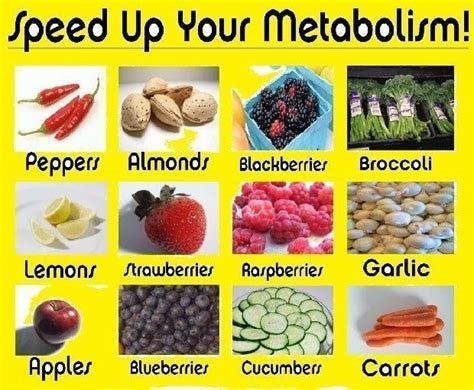
Lifestyle Habits to Boost Metabolism
In addition to dietary changes, certain lifestyle habits can further enhance your metabolism.
Get Adequate Sleep
Lack of sleep can negatively impact your metabolism and lead to weight gain. Aim for 7-9 hours of quality sleep each night to keep your metabolism in check.
Stay Hydrated
Drinking water is crucial for a healthy metabolism. Water helps with digestion and can temporarily boost your metabolism by up to 30%.
Incorporate Strength Training
Strength training helps build muscle mass, which in turn increases your resting metabolic rate. Aim for at least two days of strength training per week.
Common Myths About Metabolism
Let’s address some of the common myths about metabolism that often cause confusion.
Myth 1: Skipping Meals Boosts Metabolism
Skipping meals can actually slow down your metabolism. Your body goes into conservation mode, thinking food is scarce, and burns fewer calories.
Myth 2: Eating Late at Night Slows Metabolism
It’s not when you eat, but what and how much you eat that matters. Eating a balanced meal late at night won’t necessarily slow down your metabolism, but overeating high-calorie foods can.
Myth 3: Metabolism Slows Down Significantly with Age
While it’s true that metabolism tends to slow down with age, the decrease is not as drastic as often believed. Regular physical activity and strength training can significantly mitigate this decline.
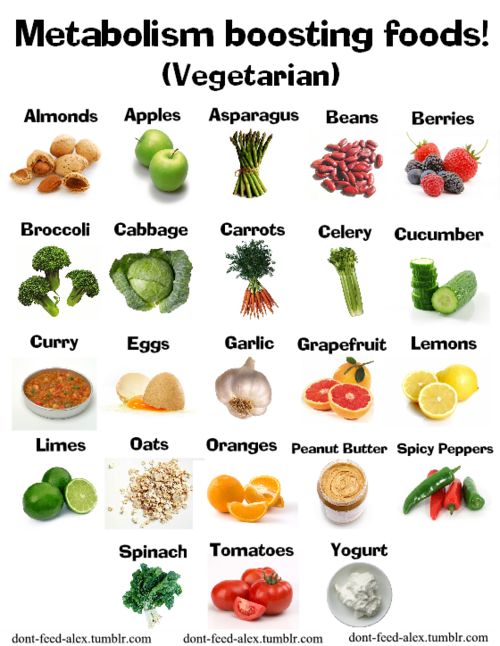
Putting It All Together: A Sample Day of Meals to Boost Metabolism
Planning your meals to include metabolism-boosting foods can be both simple and delicious. Here’s a sample meal plan for a day:
| Meal | Food Items | Nutritional Benefits |
|---|---|---|
| Breakfast | Scrambled eggs with spinach and whole-grain toast | High in protein and fiber, kickstarts metabolism |
| Snack | Greek yogurt with berries | Protein and antioxidants, support digestive health |
| Lunch | Grilled chicken salad with mixed greens and quinoa | Lean protein and fiber, sustaining energy levels |
| Snack | Apple slices with almond butter | Fiber and healthy fats, curb hunger effectively |
| Dinner | Baked salmon with roasted broccoli and sweet potatoes | Omega-3s, fiber, and vitamins, comprehensive nutrition |
| Evening Snack | Green tea | Catechins and caffeine, mild metabolism boost |
Final Thoughts
Boosting your metabolism involves a combination of smart dietary choices and healthy lifestyle habits. Incorporating these metabolism-boosting foods into your daily diet can provide natural and effective results. Remember, the key is consistency! Making these changes part of your regular routine will help you achieve better energy levels, weight management, and overall health. Take it one step at a time and observe how your body responds to these positive changes.