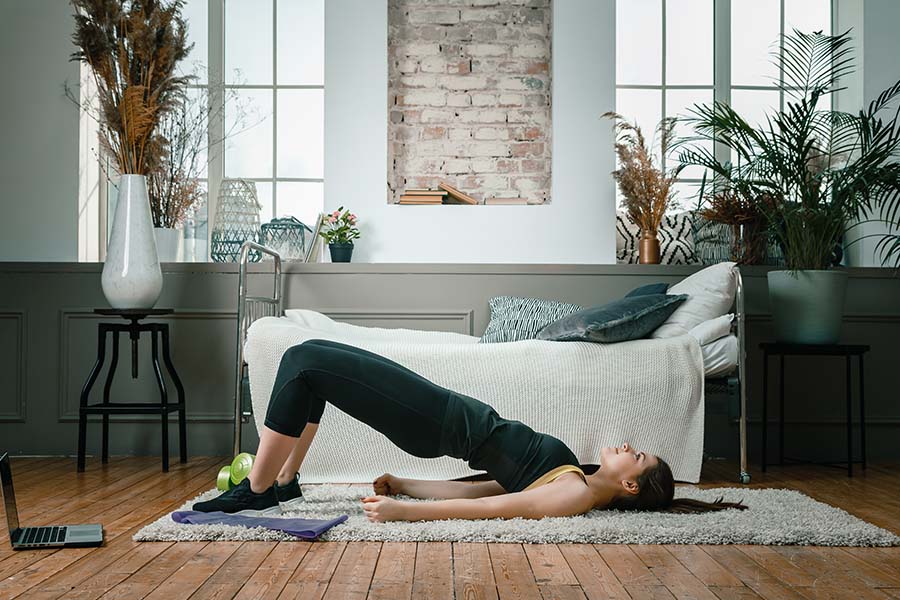
Have you ever considered adding a yoga mat to your home gym setup? It might seem like a simple addition, but a yoga mat can offer a multitude of benefits for both your body and your workout routine. This often-overlooked piece of equipment can make your exercise sessions more enjoyable, comfortable, and effective. Read on to discover how a yoga mat can enhance your home gym experience.

Understanding the Basics of a Yoga Mat
What is a Yoga Mat?
A yoga mat is a specially designed mat that provides a cushioned, non-slip surface for performing various forms of yoga, stretching, and other exercises. Typically made from materials like PVC, rubber, or eco-friendly materials such as cork, a yoga mat is designed to offer support, grip, and comfort.
Why a Yoga Mat is Essential
A yoga mat is more than just a piece of padding. It acts as a barrier between you and the floor, providing insulation against cold surfaces and offering a much-needed grip for both static and dynamic exercises. This can drastically reduce the risk of accidental slips and falls, thereby minimizing injury.
Health Benefits
Improved Flexibility
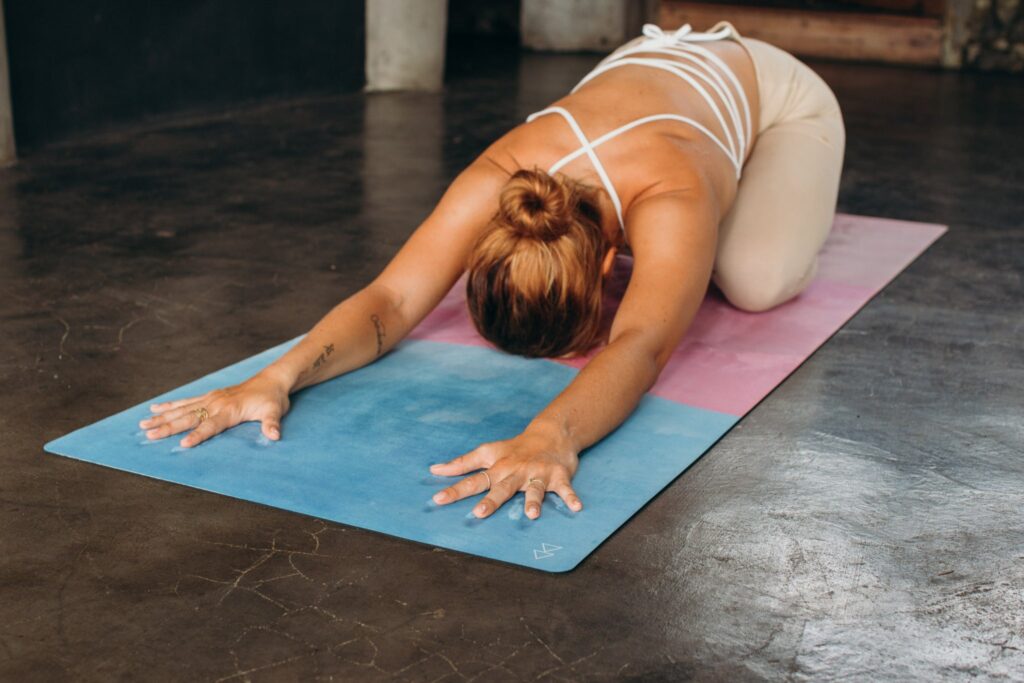
Using a yoga mat encourages you to stretch more effectively. The soft surface provides comfort, making it easier to hold and deepen each stretch without causing unnecessary strain on your joints and muscles.
Enhanced Balance
A yoga mat’s non-slip surface is essential for performing balance-oriented exercises. Whether you’re working on tree poses in yoga or single-leg deadlifts, a yoga mat helps stabilize your base, allowing you to focus on maintaining proper form and boosting your balance.
Reduced Joint Pain
If you struggle with joint pain or discomfort, a yoga mat can be a game-changer. Its cushioning properties reduce the impact on your knees, wrists, and other joints, making it easier to perform exercises that would otherwise be painful on a hard surface.
Practical Benefits
Versatility
One of the greatest aspects of a yoga mat is its versatility. You can use it for various activities beyond yoga, such as pilates, HIIT workouts, stretching, and even meditation. Its multipurpose nature makes it an invaluable addition to any home gym.
Portability
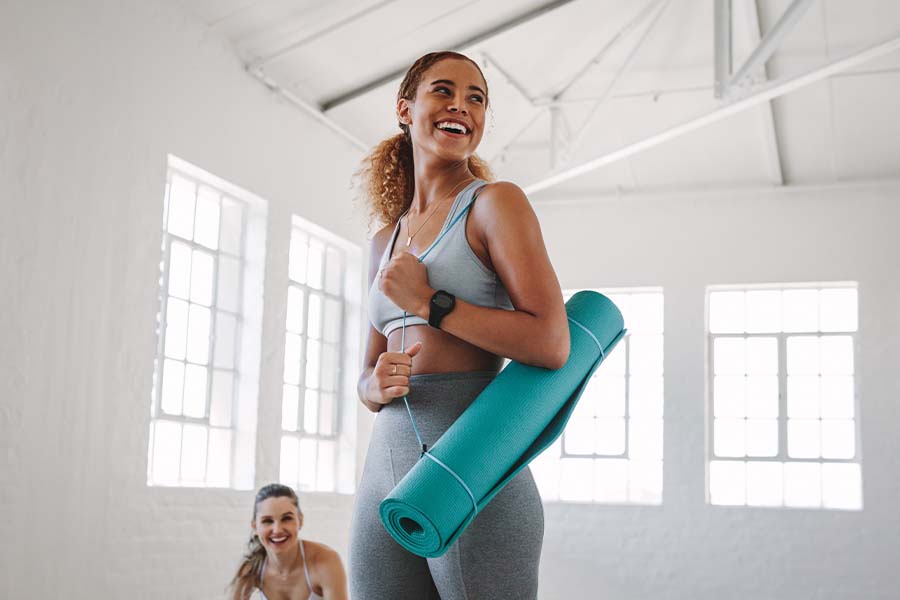
Yoga mats are lightweight and easy to roll up, making them incredibly portable. You can easily store them or take them with you if you’re traveling or heading to an outdoor workout session.
Easy Maintenance
Most yoga mats are easy to clean and maintain. A simple wipe-down with a damp cloth or a gentle cleaning solution is usually sufficient to keep your mat in top condition.
Psychological Benefits
Stress Relief
The practice of yoga, enhanced by the comfort of a proper mat, is an excellent way to relieve stress. The act of focusing on your breath and movement can help to clear your mind and alleviate anxiety.
Enhanced Focus
Using a dedicated yoga mat signals to your brain that it’s time to focus on your workout. This psychological cue can help you mentally transition from your daily activities to your exercise routine, improving your overall concentration.
Financial Benefits
Cost-Effective
Compared to other gym equipment like treadmills or weight machines, a yoga mat is relatively inexpensive. Despite its low cost, it can significantly enhance the quality of your workouts.
Longevity
A good-quality yoga mat is built to last. With proper care, your mat can withstand years of use without excessive wear and tear, making it a cost-effective investment in your fitness journey.
What to Look for When Buying a Yoga Mat
Material
The material of your yoga mat is essential for comfort and durability. PVC mats are popular for their durability and stickiness, but you might prefer natural materials like rubber or cork for their eco-friendliness and grip.
Thickness
Yoga mats generally range from 1/16 to 1/4 inches in thickness. Thicker mats offer more cushioning, which is beneficial for your joints but may be less stable for balance exercises.
Texture
The texture of your mat affects its grip. Some mats have a textured surface to prevent slipping, while others are smooth. Your choice should depend on the type of activities you plan to perform on your mat.
Size
Standard yoga mats are around 68 inches long and 24 inches wide. However, if you are taller or require more space for your exercises, you might want to look for an extra-long or extra-wide mat.
Price
Yoga mats come in a wide range of prices. While it might be tempting to purchase a cheaper option, investing in a high-quality mat can provide better comfort, durability, and performance.
| Feature | Description |
|---|---|
| Material | PVC, rubber, cork, eco-friendly options |
| Thickness | Ranges from 1/16 to 1/4 inches |
| Texture | Textured for grip or smooth |
| Size | Standard is 68 x 24 inches; extra-long/wide available |
| Price | Varies widely based on quality and brand |
Incorporating a Yoga Mat into Your Routine
Warm-Up and Cool-Down
A yoga mat is perfect for both warm-up and cool-down exercises. Use it for stretching, foam rolling, or even a few minutes of deep breathing to prepare your body for a workout or to help it recover afterward.
Full Workouts
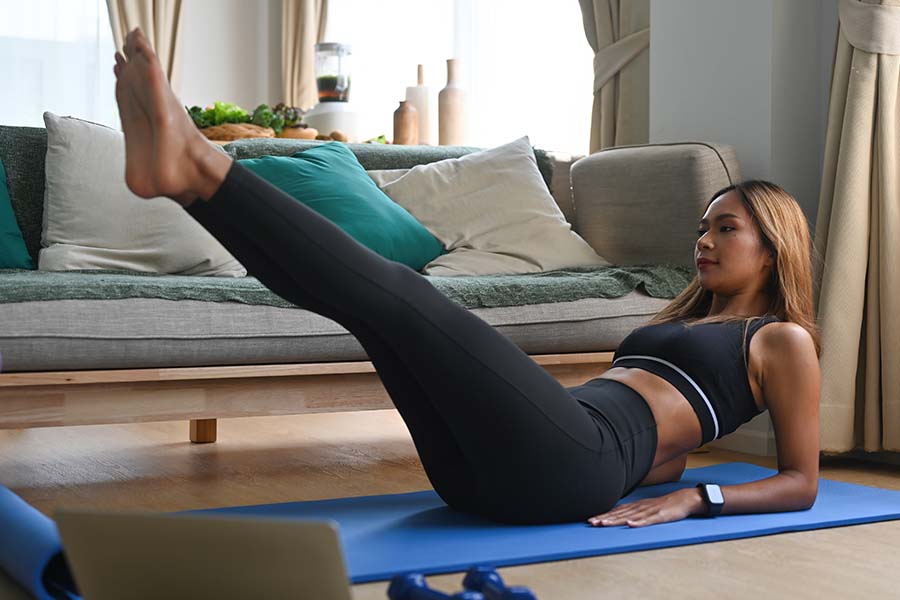
You can use your yoga mat for full workout sessions. Whether you’re doing yoga, pilates, or bodyweight exercises, the mat offers the necessary support and cushioning to perform these activities comfortably.
Meditation
If you practice meditation, a yoga mat provides a comfortable, dedicated space to sit or lie down. The act of using a specific spot can help create a meditative routine, enhancing the quality of your practice.
Family-Friendly
A yoga mat can also be a great way to encourage fitness in your family. Kids can use it for playful stretching or light exercises, making it a tool that benefits everyone in the household.
Tips for Maintaining Your Yoga Mat
Regular Cleaning
Clean your yoga mat regularly to maintain hygiene and extend its lifespan. Use a gentle cleaning solution or a mix of water and vinegar. Avoid harsh chemicals that can degrade the material.
Proper Storage
Store your yoga mat in a cool, dry place. Avoid leaving it in direct sunlight or in your car for long periods, as excessive heat can cause the material to break down.
Inspect for Wear and Tear
Regularly inspect your yoga mat for signs of wear and tear. If you notice thinning, holes, or a loss of grip, it may be time to invest in a new one.
Roll or Hang
When storing your yoga mat, either roll it up or hang it to avoid creases and cracks. Using a strap or a bag can help keep it in good condition and make it easier to transport.
Enhancing Your Home Gym
Creating a Dedicated Space
Having a designated area for your yoga mat can make a significant difference in how often and effectively you use it. This space doesn’t need to be large; just enough room to comfortably perform your exercises.
Complementing Other Equipment
A yoga mat pairs well with other pieces of home gym equipment. Use it in conjunction with dumbbells, resistance bands, or stability balls to create a comprehensive workout routine.
Motivational Boost
The mere presence of a yoga mat can serve as a motivational boost. Its visibility can serve as a gentle reminder of your fitness goals and inspire you to use it more frequently.
Versatile Training Options
With a yoga mat, you can explore various types of workouts. From high-intensity interval training (HIIT) to relaxing yoga flows, a mat provides a versatile foundation for many exercise routines.
Conclusion
Adding a yoga mat to your home gym setup offers numerous benefits beyond the obvious. From physical advantages like improved flexibility and reduced joint pain to practical perks like portability and easy maintenance, a yoga mat is an essential tool for any fitness enthusiast. Moreover, its psychological and financial benefits make it a smart investment that can elevate your workout experience. With the right mat, you can transform your home gym into a more inviting, effective, and enjoyable space.