
Have you ever felt overwhelmed when starting a new workout regimen? It’s normal to feel unsure about where to begin or how to tailor a plan to fit your unique needs and goals. Creating a workout plan that works for you is essential for long-term success and sustainability. When you have a clear, personalized workout plan, you’re more likely to stay motivated and achieve your fitness goals.

Understanding Your Fitness Goals
Why Define Clear Goals?
Setting clear and specific fitness goals is the first step to creating a workout plan that works for you. Without defined goals, it’s challenging to measure your progress and stay motivated.
Examples of Fitness Goals:
- Weight Loss: Aiming to lose a specific number of pounds or inches.
- Muscle Gain: Building muscle mass in targeted areas.
- Endurance: Improving cardiovascular fitness to run a marathon.
- Flexibility: Enhancing your flexibility to improve overall movement.
- General Health: Maintaining overall wellness and energy levels.
When you identify your primary goals, you can tailor your exercise routine to support those specific outcomes.
Assessing Your Current Fitness Level
Why Is Self-Assessment Important?
To create a workout plan that is both effective and safe, you must first understand your current fitness level. This helps in setting realistic goals and tracking your progress over time.
Components to Assess:
- Cardiovascular Endurance: How long can you sustain a cardio exercise like running or cycling?
- Muscular Strength: How much weight can you lift, or how many repetitions can you perform?
- Flexibility: How easily can you perform movements like bending and stretching?
- Body Composition: What is your body mass index (BMI) and body fat percentage?
Simple Self-Assessment Tests
- Push-Ups Test: Count how many push-ups you can do without stopping.
- Sit-Up Test: Count how many full sit-ups you can do in one minute.
- Flexibility Test: Use the sit-and-reach test to gauge flexibility.
- Cardio Test: Time how long it takes to run or walk a mile.
These tests give you a baseline from which you can measure progress and adapt your workout plan.

Types of Workouts
Cardiovascular Exercise
Cardiovascular exercises are vital for improving your heart health and increasing your endurance. These exercises typically involve using large muscle groups for extended periods.
Popular Options:
- Running/Jogging: Excellent for overall cardiovascular endurance.
- Cycling: A low-impact cardio exercise that’s easier on your joints.
- Swimming: Full-body workout and particularly good for improving lung capacity.
- HIIT (High-Intensity Interval Training): Combines short bursts of high-intensity exercise with rest or low-intensity exercise.
Strength Training
Strength training is crucial for building muscle, improving bone density, and boosting your metabolism.
Types of Strength Training:
- Bodyweight Exercises: Including push-ups, squats, and lunges. These require no equipment and can be done anywhere.
- Free Weights: Use dumbbells, barbells, and kettlebells for a versatile workout.
- Machines: Target specific muscle groups and provide more support.
- Resistance Bands: Great for a full-body workout and especially useful for targeting smaller muscles.
Flexibility and Mobility
Flexibility exercises help you improve your range of motion and reduce the risk of injury.
Effective Exercises:
- Stretching: Focused stretching, such as hamstring stretches, to improve flexibility.
- Yoga: Combines flexibility and strength through various poses.
- Pilates: Focuses on core strength and flexibility.
Structuring Your Workout Plan
Weekly Routine
A weekly workout plan should balance different types of exercises to ensure overall fitness and prevent injury.
Sample Weekly Plan:
| Day | Type of Workout | Activities |
|---|---|---|
| Monday | Cardiovascular | 30-minute run or cycle |
| Tuesday | Strength Training | Upper body workout with dumbbells |
| Wednesday | Flexibility & Mobility | 1-hour yoga session |
| Thursday | Cardiovascular | HIIT workout (20 minutes) |
| Friday | Strength Training | Lower body workout with bodyweight exercises |
| Saturday | Mixed | Combined cardio and strength, like a circuit workout |
| Sunday | Rest or Light Activity | Light stretching or a leisurely walk |
Balancing Intensity and Rest
It’s important to balance the intensity of your workouts with adequate rest. Overworking your muscles can lead to injuries and burnout.
Guidelines:
- Moderate-Intensity Exercise: Aim for 150 minutes per week, spread over several days.
- High-Intensity Exercise: Aim for 75 minutes per week with sufficient rest days in between.
- Strength Training: Include at least two days per week with a focus on different muscle groups each day.
- Rest Days: Incorporate one or two rest days to allow your muscles to recover.
Customizing Your Plan
Everyone’s body responds differently to various types of exercise. Customize your plan based on your fitness level, goals, and preferences.
Considerations:
- Preferences: Choose activities you enjoy to stay motivated.
- Progression: Gradually increase the intensity and duration of your workouts.
- Adaptability: Be flexible and make adjustments based on your progress and how your body feels.

Nutrition and Hydration
Importance of Proper Nutrition
What you eat significantly impacts your workout performance and recovery. Balanced nutrition provides the energy needed for your workouts and aids in muscle recovery.
Nutritional Components:
- Proteins: Essential for muscle repair and growth. Include sources like chicken, fish, beans, and tofu.
- Carbohydrates: Provide energy. Opt for complex carbs like whole grains, fruits, and vegetables.
- Fats: Necessary for overall health. Choose healthy fats like avocados, nuts, and olive oil.
Timing:
- Pre-Workout: A small, balanced meal or snack 1-2 hours before exercising.
- Post-Workout: Protein and carbohydrates within 30 minutes to aid recovery.
Hydration
Staying hydrated is crucial for maintaining performance and preventing dehydration.
Guidelines:
- Daily: Aim to drink at least 8 glasses of water a day.
- Pre-Workout: Drink water 1-2 hours before exercising.
- During Workout: Sip water every 15-20 minutes.
- Post-Workout: Rehydrate with water and consider electrolytes if you have had an intense session.
Monitoring Your Progress
Tracking Methods
Monitoring your progress helps you stay motivated and adjust your plan as needed.
Tools and Techniques:
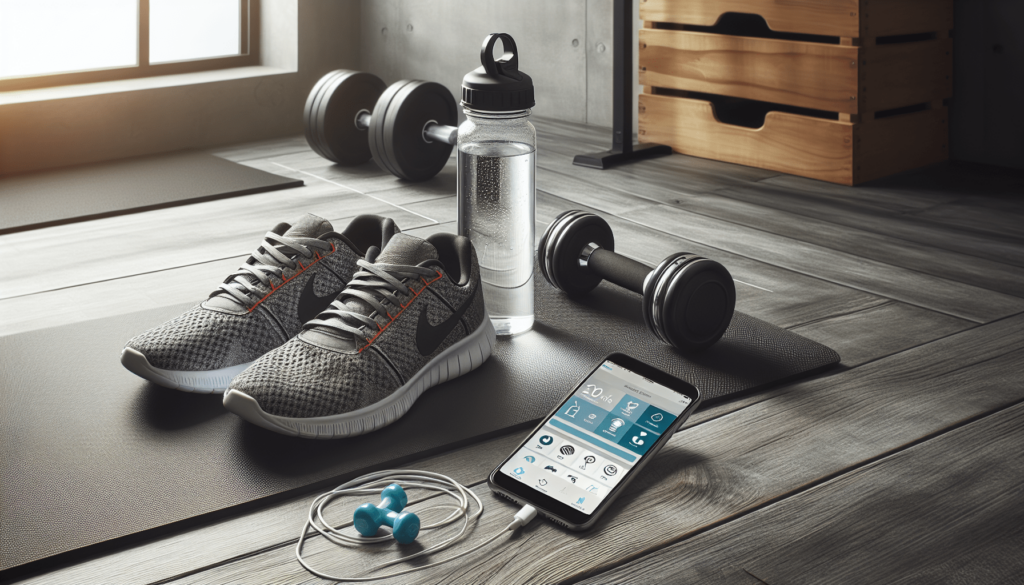
- Fitness Apps: Use apps to track your workouts, nutrition, and progress.
- Journal: Keep a workout journal noting exercises, reps, and how you felt.
- Wearable Devices: Devices like fitness trackers can monitor heart rate, steps, and calories burned.
Setting Benchmarks
Set periodic benchmarks to assess your progress. This might be a monthly check-in where you redo your initial fitness tests or measure any body changes.
Evaluation Points:
- Strength Gains: Increases in weights lifted or reps performed.
- Cardiovascular Endurance: Reduced time taken to complete a run or cycle.
- Body Composition: Changes in BMI or body fat percentage.
The Role of Mindset
Staying Positive
Maintaining a positive mindset is essential to staying motivated and consistent.
Strategies:
- Set Realistic Goals: Smaller, achievable goals can keep you motivated as you progress.
- Celebrate Successes: Acknowledge and celebrate your improvements, no matter how small.
- Stay Flexible: Understand that setbacks are part of the process and adjust your plan as needed.
Dealing with Plateaus
Fitness plateaus can be frustrating, but they are normal.
Overcoming Plateaus:
- Change Your Routine: Introduce new exercises or increase intensity.
- Rest and Recovery: Sometimes a break is needed for your body to recover and adapt.
- Seek Professional Guidance: A trainer can provide new techniques and perspectives to overcome stagnation.
Incorporating Other Aspects of Health
Importance of Sleep
Quality sleep is vital for muscle recovery and overall health. Aim for 7-9 hours of sleep per night.
Tips for Better Sleep:
- Consistent Schedule: Go to bed and wake up at the same time each day.
- Sleep Environment: Create a restful environment with minimal light and noise.
- Relaxation Techniques: Practices such as deep breathing or meditation before bed can improve sleep quality.
Stress Management
High stress can negatively impact your workout performance and overall health.
Stress-Reduction Techniques:
- Mindfulness and Meditation: Activities that promote relaxation and mental clarity.
- Physical Activity: Exercise itself is a great way to reduce stress.
- Socializing: Spending time with loved ones can have a positive impact on your well-being.

Utilizing Resources and Support
Educational Resources
Knowledge is power when it comes to fitness.
Sources of Information:
- Books and Articles: Informative resources on fitness and health.
- Online Courses: Structured programs that offer more in-depth information.
- Fitness Blogs: Stay updated with new trends and tips from experts.
Seeking Professional Help
Sometimes, personalized guidance can make a significant difference.
Options:
- Personal Trainers: Provide customized workout plans and motivation.
- Nutritionists: Offer tailored advice on diet and nutrition.
- Fitness Classes: Group classes can be motivating and offer a sense of community.
Commitment and Consistency
Building Healthy Habits
Creating a successful workout plan isn’t just about what exercises you do; it’s about building healthy habits that become a part of your lifestyle.
Strategies for Habit Formation:
- Routine: Set a consistent workout schedule.
- Accountability: Partner with a friend or use apps to stay accountable.
- Small Changes: Gradually incorporate new habits for sustainability.
Celebrating Milestones
Recognizing your achievements is crucial for long-term motivation.
Ways to Celebrate:
- Personal Rewards: Treat yourself to something special when you hit a goal.
- Sharing Success: Tell friends or family about your achievements.
- Setting New Goals: Keep your momentum by setting new, challenging goals.
In conclusion, creating a workout plan that truly works for you involves understanding your goals, assessing your current fitness level, incorporating a balance of workout types, and continuously monitoring your progress. Nutrition, hydration, sleep, and stress management also play pivotal roles in your overall success. Building a sustainable plan means making fitness a holistic part of your life, supported by a positive mindset and commitment. With these actionable steps, you’re well on your way to achieving your fitness aspirations.