
Have you ever felt overwhelmed by workout routines targeted at advanced fitness levels? You’re not alone. Starting from scratch in the fitness world can be daunting, and the key to making it enjoyable and sustainable lies in modifying workouts to match your beginner fitness level. It’s all about finding the right balance and gradually building your strength, endurance, and confidence.
Understanding Your Starting Point
Before you begin any fitness regimen, it’s essential to understand your starting point. Assess your current fitness level by considering your daily activity, any previous workout experiences, and your general health. Knowing your abilities will help you make informed decisions about how to modify workouts appropriately. Listen to your body and avoid pushing yourself too hard too soon.
Setting Realistic Goals
Setting realistic and achievable goals can keep you motivated and focused. Think about what you want to achieve in the short term and long term. Short-term goals could be as simple as completing a 20-minute walk without feeling winded, while long-term goals might involve more extensive fitness aspirations like running a 5k or lifting a certain weight.
Basic Principles of Workout Modification
To modify workouts for beginner fitness levels, you must keep in mind the following basic principles:
Start Slow and Gradual
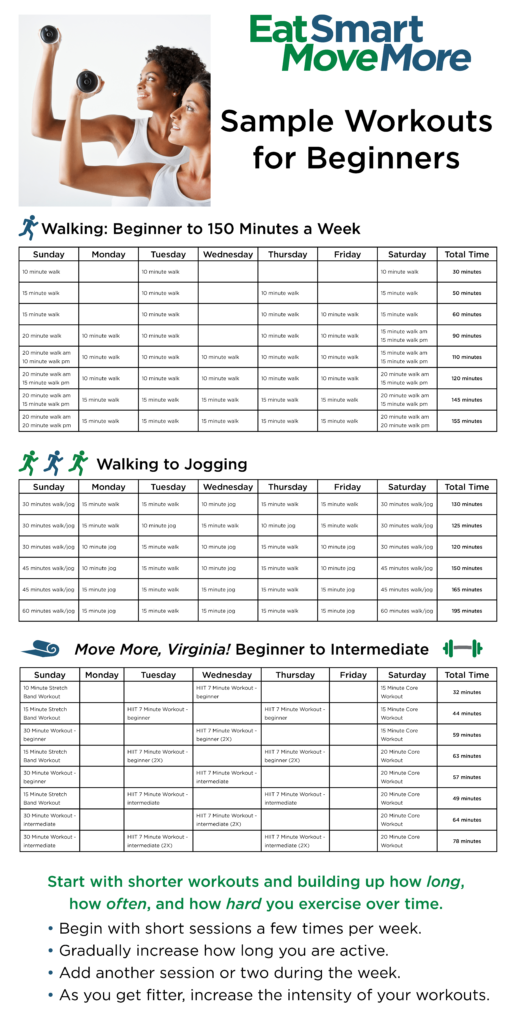
Spending excessive time or effort on workouts right from the start can lead to burnout or injury. Ease into your workouts by starting slow and gradually increasing intensity and duration. Begin with low-impact exercises and shorter sessions, then slowly build up as your body adapts.
Prioritize Proper Form
Focusing on the correct form is crucial to prevent injuries and ensure effective workouts. Proper form means performing each exercise with the right technique and posture, which is more important than the number of repetitions or the amount of weight lifted. Don’t hesitate to ask for help from a certified trainer to learn the correct form.
Listen to Your Body
Your body communicates its limits, and it’s vital to listen. If you feel any unusual pain or discomfort, take a step back and reassess what you’re doing. Rest is also an essential part of any fitness journey, so make sure to allow your body time to recover between workouts.
Modifying Common Exercises
Adapting common exercises for beginners is crucial for making them manageable and effective. Let’s look at how you can modify some popular workouts:
Push-Ups
Push-ups are a classic exercise for building upper body strength, but they can be challenging for beginners.
Modifications:
- Wall Push-Ups: Stand a few feet away from a wall, place your hands on the wall at shoulder height, and perform push-ups.
- Knee Push-Ups: Start in a modified plank position on your knees rather than your toes, and perform push-ups.
Squats
Squats are excellent for lower body strength. However, they require good form to avoid injury.
Modifications:
- Chair Squats: Use a chair as a guide. Start by sitting down and standing up from the chair to get used to the motion.
- Partial Squats: Don’t go as deep into the squat. Focus on maintaining good form and only go down halfway.
Planks
Holding a plank is a great way to build core strength, but it can be demanding for beginners.
Modifications:
- Knee Planks: Perform the plank on your knees instead of your toes to reduce the pressure on your core.
- Elevated Planks: Place your hands on a stable, elevated surface like a bench or step.
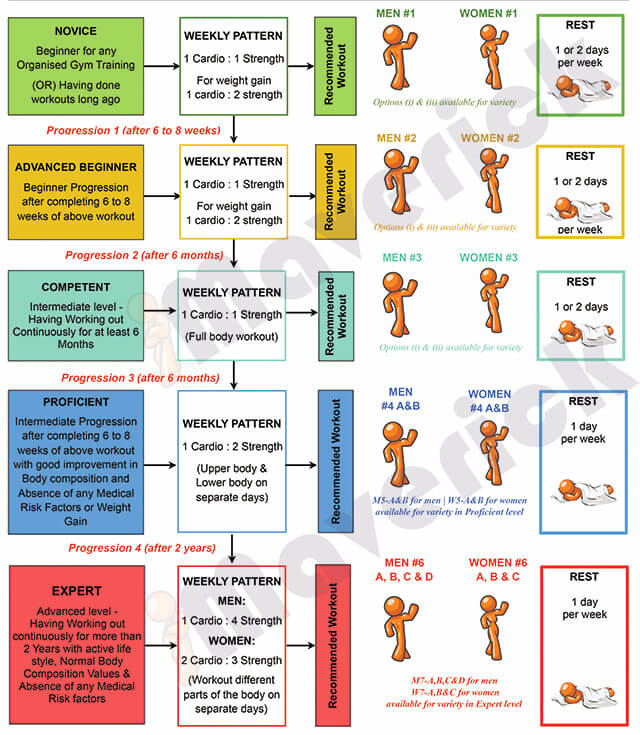
Structuring Beginner Workouts
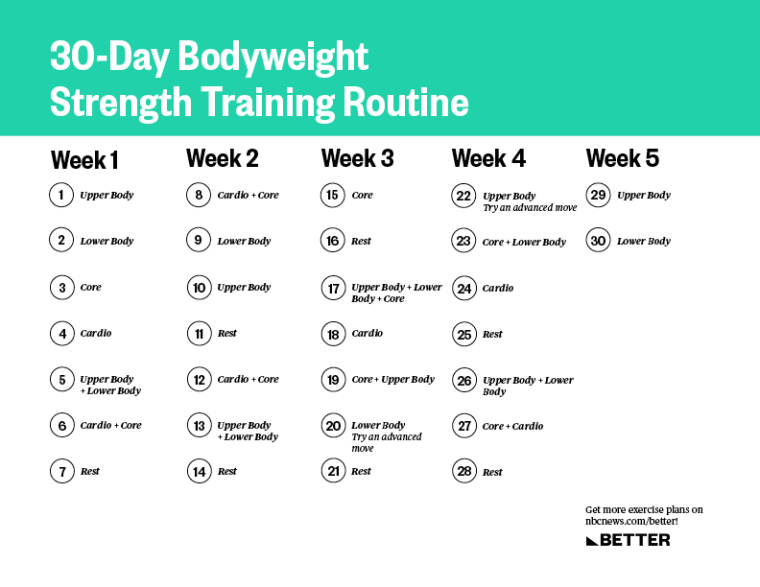
Designing a well-rounded workout plan that targets different muscle groups while allowing for adequate rest and recovery is key. Here’s an example of a weekly beginner workout plan:
| Day | Activity | Duration |
|---|---|---|
| Monday | Full Body Workout | 30 minutes |
| Tuesday | Rest or Light Activity | 20 minutes walk |
| Wednesday | Lower Body Workout | 30 minutes |
| Thursday | Rest or Light Activity | 20 minutes walk |
| Friday | Upper Body Workout | 30 minutes |
| Saturday | Rest or Recreational Activity | |
| Sunday | Flexibility & Balance | 30 minutes – Yoga or Stretching |
Full Body Workout
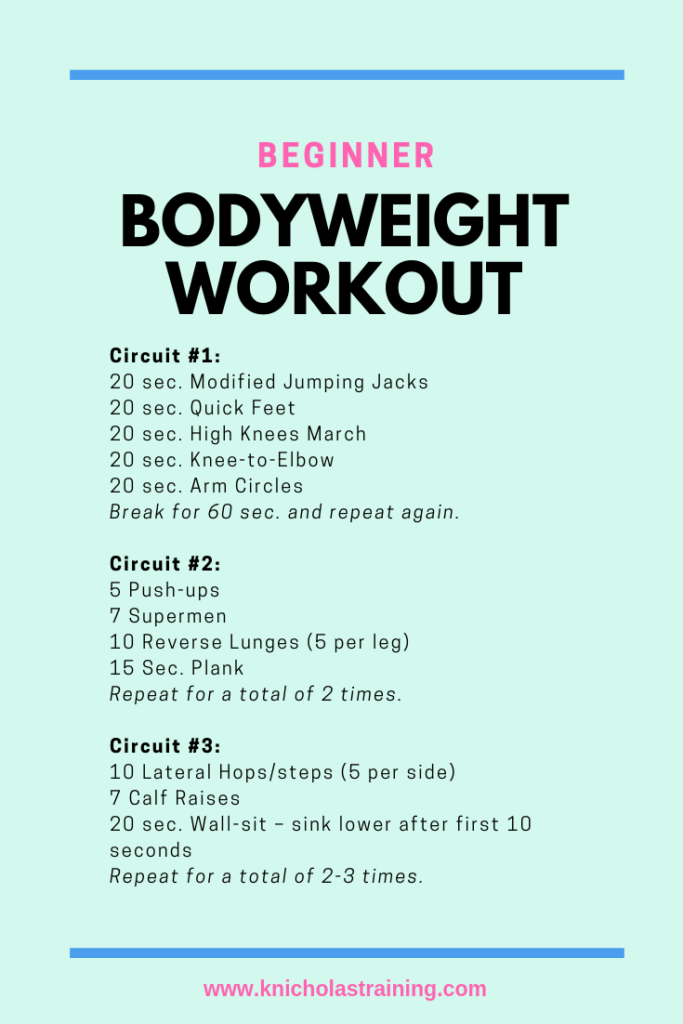
A full-body workout can engage multiple muscle groups, providing a balanced routine. Here’s a sample routine:
- Warm-Up: 5 minutes of light cardio (walking or marching in place)
- Bodyweight Squats: 2 sets of 10-12 reps
- Wall Push-Ups: 2 sets of 8-10 reps
- Knee Planks: Hold for 15-20 seconds
- Seated Rows with Resistance Band: 2 sets of 10-12 reps
- Bicep Curls with Light Weights: 2 sets of 10-12 reps
Lower Body Workout
Focusing on lower body strength can help build a solid foundation:
- Warm-Up: 5 minutes of light cardio
- Chair Squats: 2 sets of 10-12 reps
- Lunges: 2 sets of 8-10 reps per leg (hold onto a chair for balance if needed)
- Glute Bridges: 2 sets of 10-12 reps
- Calf Raises: 2 sets of 12-15 reps
Upper Body Workout
Strengthening the upper body helps in performing daily activities more efficiently:
- Warm-Up: 5 minutes of arm circles and light cardio
- Wall Push-Ups: 2 sets of 8-10 reps
- Seated Shoulder Press with Light Weights: 2 sets of 10-12 reps
- Bent-Over Rows with Resistance Band: 2 sets of 10-12 reps
- Tricep Dips: 2 sets of 8-10 reps (use a sturdy chair)
Flexibility & Balance
Improving flexibility and balance can enhance overall fitness and reduce the risk of injuries:
- Warm-Up: Gentle stretching for 5 minutes
- Yoga Poses: Child’s pose, cat-cow, downward-facing dog, and warrior II
- Balance Exercises: Single-leg stands (hold onto a chair or wall for support)
- Cool Down: 5 minutes of deep breathing and stretching
Using Equipment for Beginners
Introducing equipment gradually into your workouts can help enhance your exercise routine without overwhelming you. Here’s how you can use various types of equipment:
Resistance Bands
Resistance bands are versatile and perfect for beginners. They help tone muscles without the need for heavyweights.
Exercises to Try:
- Seated Rows
- Bicep Curls
- Squat to Press
Light Dumbbells
Starting with light dumbbells (1-5 pounds) can help build strength progressively.
Exercises to Try:
- Shoulder Press
- Bent-Over Rows
- Lateral Raises
Stability Ball
A stability ball can improve balance and core strength.
Exercises to Try:
- Ball Squats
- Hamstring Curl-Ins
- Back Extensions
The Importance of Recovery
Recovery is a critical component of any fitness program, especially for beginners. It includes activities and habits that allow your muscles to repair and grow stronger. Examples include proper sleep, hydration, and nutrition.
Active Recovery
Incorporate active recovery into your routine with low-intensity activities that increase blood flow to your muscles without adding stress.
Activities to Consider:
- Gentle yoga
- Leisurely walks
- Swimming gently
Rest Days
Include regular rest days in your workout schedule. These days mean complete rest from strength training or intense cardio to help your muscles recover fully.
Staying Motivated
Staying motivated during your fitness journey involves setting achievable goals, celebrating small victories, and staying consistent.
Tracking Progress
Keep a workout journal or use an app to track your progress. Documenting your workouts can provide a sense of accomplishment and help you see improvement over time.
Joining a Community
Find a supportive community, whether in person or online. Joining fitness classes, forums, or groups can provide encouragement and accountability.
Diversifying Workouts
Mix up your workouts to keep them interesting and enjoyable. Trying different types of exercises can also prevent plateaus and provide new challenges for your muscles.
Seeking Professional Guidance
It’s highly beneficial to seek professional guidance, especially if you’re new to fitness. A personal trainer can create a tailored workout program suited to your fitness level and goals while ensuring you use the correct form to avoid injuries.
Working with Trainers
When working with a trainer, communicate openly about your fitness level, any health concerns, and your goals. A professional will make sure to modify exercises and provide alternative options that suit your level.
Conclusion
Modifying workouts for beginner fitness levels is about creating a balanced, achievable, and enjoyable routine. By starting slow, focusing on proper form, and incorporating adequate rest, you lay a solid foundation for long-term fitness success. Use the above guidance as a blueprint, adjust based on your unique needs, and remember that consistency is key. Embrace your fitness journey with patience and positivity, celebrating progress every step of the way.