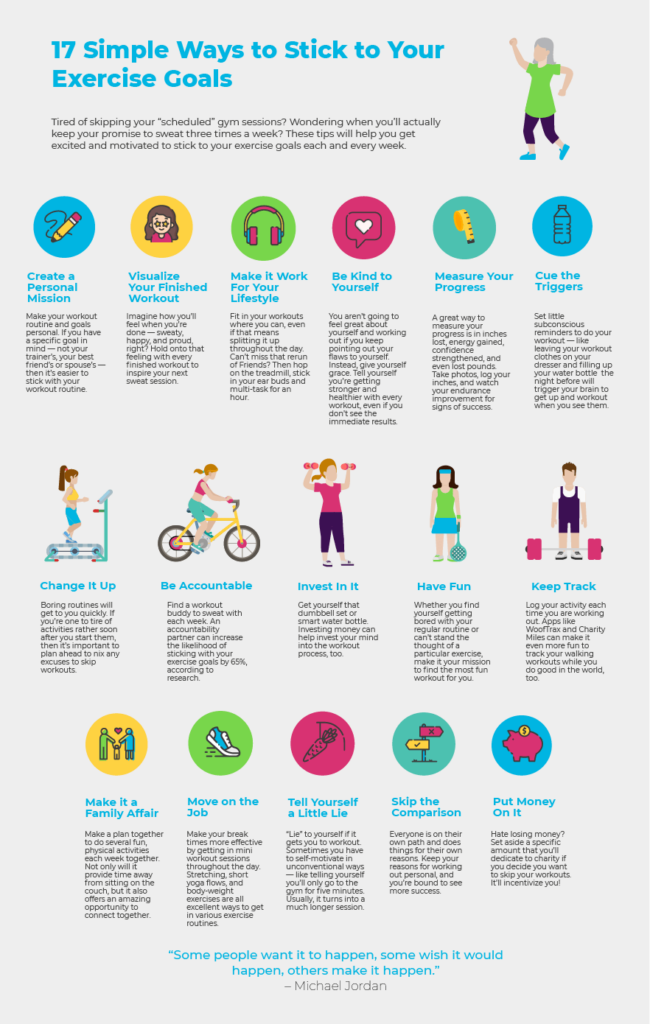
Have you ever struggled with sticking to your workout routine? Many people start with good intentions but find it challenging to maintain consistency. Whether you’re just beginning your fitness journey or looking to get back on track, creating and sticking to a workout routine can seem daunting. However, it doesn’t have to be. With the right strategies and mindset, you can make fitness a permanent part of your lifestyle.

Understanding Your “Why”
Before diving into the logistics, it’s crucial to understand your reasons for working out. Your motivation can serve as a powerful tool to keep you on track.
Identify Personal Goals
Ask yourself, why do you want to exercise? Is it for better health, weight loss, muscle gain, or perhaps to relieve stress? Understanding your personal goals can give you clear direction and keep you motivated. Write down your goals and keep them somewhere visible to remind yourself why you started.
Long-term vs. Short-term Goals
It’s also helpful to differentiate between long-term and short-term goals. Long-term goals might include running a marathon, while short-term goals could involve jogging for 20 minutes three times a week. Both types of goals are important and can complement each other.
| Long-term Goals | Short-term Goals |
|---|---|
| Run a marathon | Jog 20 minutes, 3 times per week |
| Lose 30 pounds | Shed 1-2 pounds a week |
| Build noticeable muscle | Commit to 3 strength training sessions weekly |
Having a mix of both keeps your journey balanced and allows you to celebrate small victories along the way.
Planning Your Workout Routine
Now that you have identified your motivation, let’s move on to planning your routine. A well-structured plan can make a significant difference.
Assess Your Current Fitness Level
Before starting any new exercise plan, evaluate your current fitness level. This assessment will determine what workouts are suitable and help you set realistic goals. Consider factors such as your endurance, strength, flexibility, and any existing injuries.
Choose the Right Kind of Exercise
Your fitness goals should guide your choice of exercise. If weight loss is your primary aim, you may focus more on cardiovascular exercises. For muscle building, weight lifting would be more appropriate. It’s essential to choose activities you enjoy to maintain consistency.
Create a Balanced Routine
A balanced routine typically includes a mix of cardio, strength training, and flexibility exercises. Here’s a simple example:
| Day | Activity |
|---|---|
| Monday | 30 min Run + 15 min Stretching |
| Tuesday | 45 min Weight Lifting |
| Wednesday | Rest or Light Yoga |
| Thursday | 30 min Cycling + 20 min Core Workout |
| Friday | 45 min Full-body Strength Training |
| Saturday | 30 min HIIT + 15 min Stretching |
| Sunday | Rest or Light Walking |
Set a Realistic Schedule
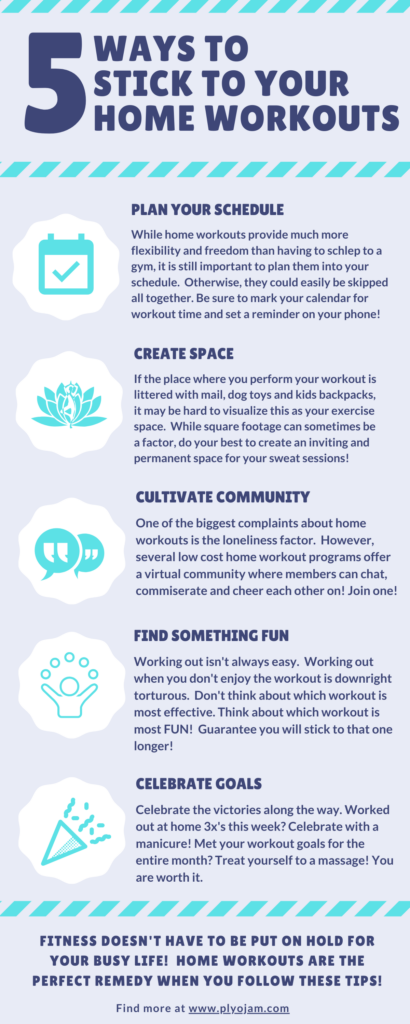
Your workout plan should fit into your everyday life. Consider your work schedule, family commitments, and social life when designing your routine. Setting a realistic schedule helps ensure you stick to it over the long term.
Building Habits
Setting up a plan is only the beginning; now you need to build the habit.
Start Small
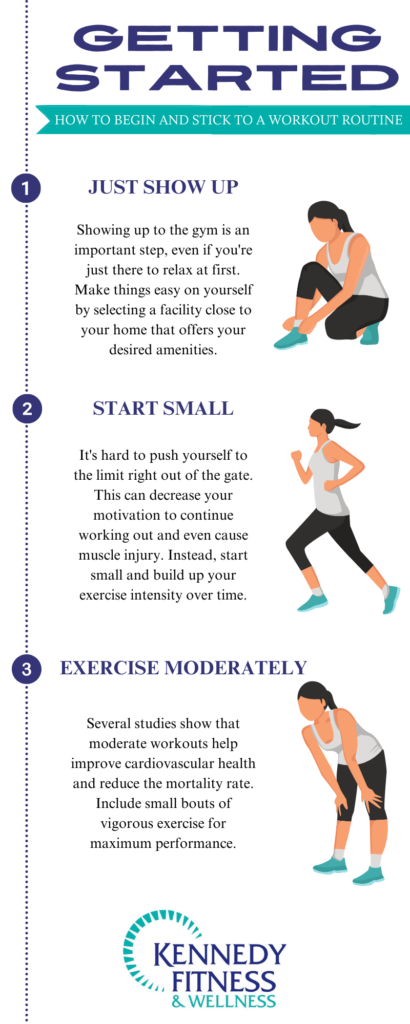
Don’t overwhelm yourself by doing too much too soon. Start with shorter, more manageable workouts. Gradually increase the intensity and duration as your fitness level improves.
Be Consistent
Consistency is key to forming a new habit. Aim to exercise at the same time each day to make it part of your daily routine. Over time, this will become second nature.
Use Reminders and Cues
Set alarms, keep your workout clothes visible, or pack your gym bag the night before. These small reminders can nudge you into action and help maintain your routine.
Plan for Setbacks
Life happens. There will be days when you can’t stick to your plan. Instead of becoming discouraged, plan for these setbacks. Have a backup plan, such as a quick home workout you can do if you can’t make it to the gym. Remember that one missed workout doesn’t ruin your progress. Consistency over time is what matters.
Staying Motivated
Even with the best plans and habits, staying motivated can be challenging. Here are some strategies to keep your enthusiasm high.
Track Your Progress
Monitoring your progress can provide substantial motivation. Keep a journal or use a fitness app to record your workouts, note improvements, and celebrate small victories.
Mix It Up
Doing the same workouts can become monotonous. Shake things up by trying new exercises or sports. Variety not only keeps your routine exciting but also works different muscle groups and improves overall fitness.
Join a Community
Joining group classes or finding a workout buddy can make exercising more enjoyable and provide accountability. Many people find additional motivation through social interaction and group encouragement.
Reward Yourself
Set small rewards for reaching specific milestones. These rewards don’t have to be extravagant – perhaps a new piece of workout gear or a day off to pamper yourself. Rewards can serve as positive reinforcement, keeping you on track.
Overcoming Common Challenges
Sticking to a workout routine comes with its own set of challenges. Being prepared can help you overcome them more easily.
Time Constraints
Many people cite lack of time as a reason for not exercising. Try to find small pockets of time in your day. Even a 10-minute workout is better than skipping it altogether. Prioritizing your health can often reveal more available time than you initially thought.
Boredom
Boredom can derail your routine. As previously mentioned, mixing things up is essential. Also, incorporating entertainment, such as listening to music or podcasts, can make workouts more enjoyable.
Lack of Energy
Feeling too tired to work out? Consider the time of day when you have the most energy. Some people may benefit from morning workouts, while others feel more energetic in the evening. Also, ensure you’re getting adequate sleep and nutrition, as both significantly impact your energy levels.
Plateaus
Hitting a plateau can be frustrating. When progress stalls, it might be time to reassess and adjust your routine. Altering your workouts’ intensity, duration, or type can reignite progress. Consulting with a fitness professional can provide additional insights and recommendations.
Nutrition and Rest
Exercise is only one component of a healthy lifestyle. Nutrition and rest are equally important.
Balanced Diet
Fueling your body with the right nutrients can enhance your workouts and recovery. Aim for a balanced diet rich in fruits, vegetables, lean proteins, and whole grains. Staying hydrated is also crucial, as even mild dehydration can impact performance.
Rest and Recovery
Adequate sleep and rest days are essential for muscle recovery and overall well-being. Overworking your body without enough rest can lead to injuries and burnout. Listen to your body and give it the time it needs to recover.
Making It Sustainable
The ultimate goal is to make fitness a sustainable part of your life.
Adjusting Your Routine
Life circumstances change, and so should your workout routine. Whether it’s a new job, a move, or a family addition, being flexible and adjusting your plan to fit your current situation is essential. Regularly revisiting and modifying your routine can help keep it relevant and manageable.
Mindfulness and Mental Health
Exercise is not just good for your body; it’s also beneficial for your mind. Practicing mindfulness during workouts can enhance the experience. Techniques like focusing on your breathing or the movements can make workouts meditative.
Seek Professional Guidance
If you’re struggling to stick to your routine or need help planning it, don’t hesitate to seek professional advice. Personal trainers, nutritionists, or fitness coaches can provide personalized guidance and support, making it easier to achieve your goals.
Conclusion
Sticking to a workout routine requires planning, consistency, and a lot of motivation. By understanding your “why,” creating a realistic plan, building solid habits, and staying motivated, you can successfully integrate fitness into your daily life. Remember that setbacks are part of the journey, and overcoming them is where personal growth happens. Keep adapting, stay flexible, and most importantly, enjoy the process.
Sticking to a workout routine is not just about reaching a fitness goal; it’s about building a healthier, happier life. You’ve got this!