
Have you ever noticed that during your workouts, some exercises feel more effective at targeting specific muscles than others? That’s where the mind-muscle connection comes into play. Mastering this connection can significantly elevate your fitness game, especially in advanced workouts. This article will guide you through understanding and optimizing the mind-muscle connection to enhance your training outcomes.
What is the Mind-Muscle Connection?
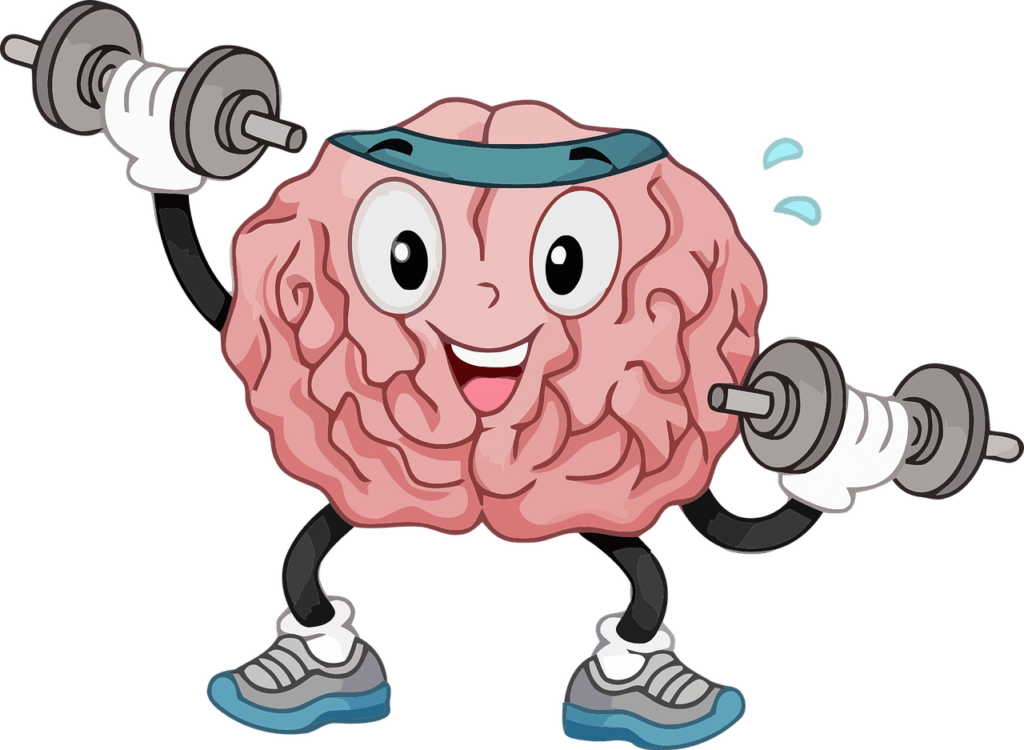
The mind-muscle connection refers to the conscious and deliberate focus on the muscle you’re working out. When you concentrate mentally on contracting a specific muscle, you might find it easier to activate and isolate that muscle during exercises. This heightened awareness can lead to better muscle engagement, improved strength, and increased muscle growth over time.
The Science Behind the Connection
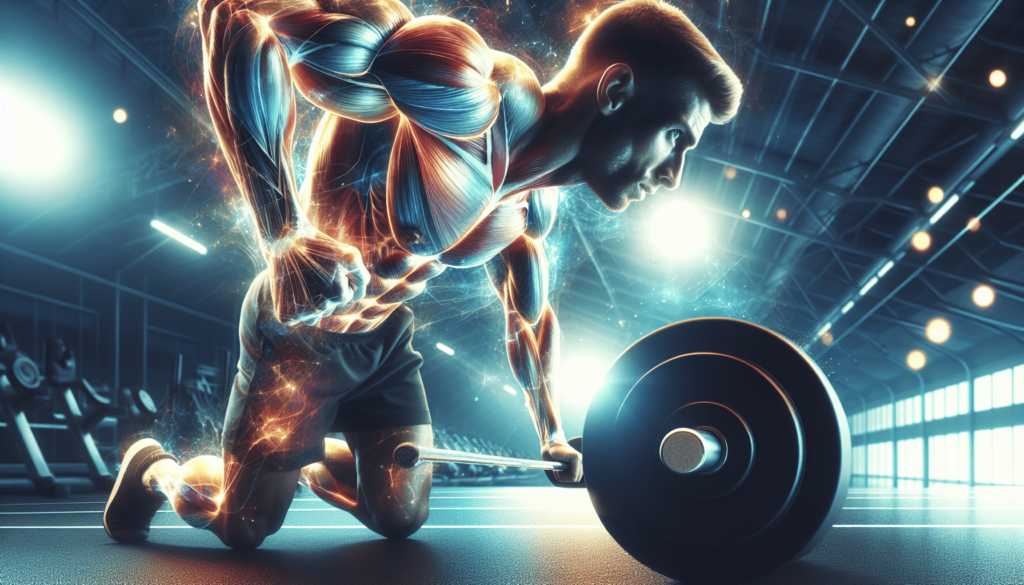
Research suggests that your brain plays a critical role in muscle activation. When you focus your mind on a particular muscle during a workout, it enhances motor unit recruitment within that muscle. This means more muscle fibers are activated, potentially leading to more effective workouts.
Neuromuscular Activation
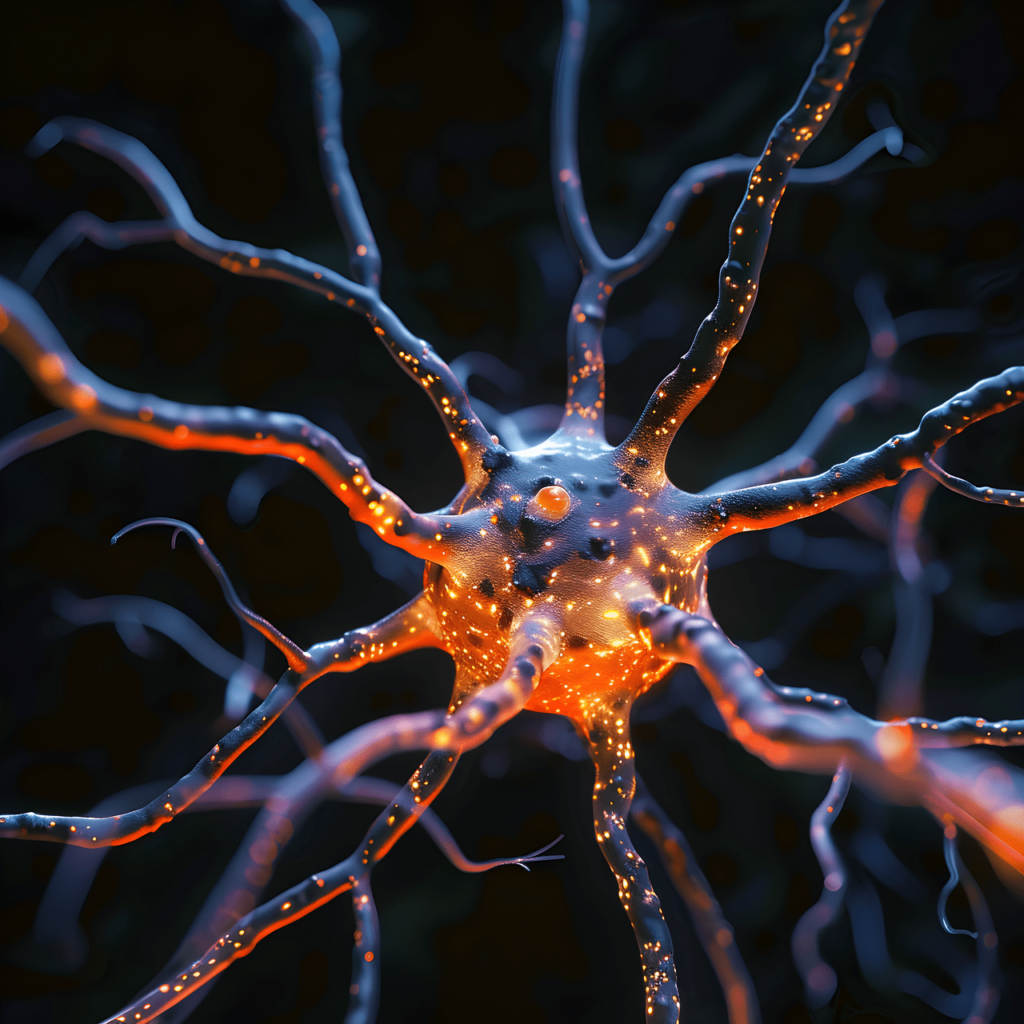
Your central nervous system communicates with your muscles through neuromuscular pathways. Optimizing these signals can result in more effective and controlled muscle contractions. This focus essentially allows you to “talk” to your muscles more efficiently.
Muscle Hypertrophy
Studies indicate that concentrating on specific muscles can enhance muscle hypertrophy, the process of muscle growth. Incorporating mind-muscle connection techniques could consequently lead to better gains in muscle size and strength.

Importance of the Mind-Muscle Connection in Advanced Workouts
In advanced workouts, where the intensity and complexity of exercises are higher, the mind-muscle connection can be crucial for maintaining proper form, preventing injuries, and adding specificity to your training regime.
Techniques to Enhance the Mind-Muscle Connection
Visualization
Before you even start lifting, take a moment to visualize the muscle you are going to train. Imagine it contracting and elongating with each rep. This mental imagery can set a strong foundation for proper muscle engagement.
Slow and Controlled Movements
Executing exercises with slow and controlled movements can make it easier for you to focus on the target muscle. Rushing through reps can shift emphasis away from the intended muscles and potentially lead to poor form.
Touch and Tactile Feedback
Sometimes, touching the muscle can help improve your focus. For instance, placing a hand on your biceps as you curl can intensify the neural signals going to that muscle.
Isolation Exercises
Isolation exercises are excellent for developing the mind-muscle connection since they target specific muscle groups. These exercises can be particularly useful for advanced trainees aiming to refine muscle engagement.
| Muscle Group | Isolation Exercise |
|---|---|
| Biceps | Bicep curl |
| Triceps | Tricep extension |
| Chest | Chest fly |
| Back | Lat pulldown |
| Shoulders | Lateral raise |
| Legs | Leg extension |
Breathing Techniques
Proper breathing aids in the focus and stabilization required to maintain the mind-muscle connection. Exhale during the exertion phase and inhale during the relaxation phase.
Mind-Muscle Connection and Compound Exercises
While isolation exercises are great for developing the mind-muscle connection, don’t underestimate the power of compound exercises. These exercises engage multiple muscle groups and can also benefit from mind-muscle techniques.
Squats and the Mind-Muscle Connection
Squats are a staple in advanced workouts. To enhance the mind-muscle connection:
- Focus on feeling your quadriceps and glutes engage during the movement.
- Ensure that your form is correct to prevent injury and maximize efficiency.
Bench Press and the Mind-Muscle Connection
In the bench press:
- Concentrate on your pectoral muscles contracting.
- Visualize your chest muscles pushing the weight away from your body.
Deadlifts and the Mind-Muscle Connection
During deadlifts:
- Focus on your back and hamstrings.
- Envision your muscles working together to lift the weight.
Lat Pulldowns and the Mind-Muscle Connection
For lat pulldowns:
- Think about your back muscles pulling your elbows down and towards your sides.
- Make sure to engage your lats rather than relying on your biceps.
Common Mistakes and How to Avoid Them
Overloading on Weight
Lifting too much weight can detract from your ability to concentrate on the muscle you’re targeting. Use a manageable load that allows you to maintain proper form and feel the muscle working throughout the exercise.
Poor Form
Bad form can not only reduce the effectiveness of your workout but also lead to injuries. Always prioritize proper form over lifting heavier weights.
Lack of Focus
In busy gyms or during long workouts, maintaining focus can be challenging. Try breaking your session into manageable chunks with brief mental resets in between.
Neglecting Warm-Ups
Skipping warm-ups can hamper your ability to connect with your muscles. Start with light exercises to activate the muscles you plan to target.
Implementing Mind-Muscle Connection into Your Routine
Plan Ahead
Having a detailed workout plan can help you mentally prepare for your session. Know which muscles you’ll be working on and think about how you will engage them.
Pre-Workout Routine
Implementing a pre-workout routine that includes stretching, light cardio, and mental visualization can help prime your muscles for the exercises ahead.
During the Workout
Throughout your workout, continuously remind yourself to focus on muscle contraction. This repetitive mental check-in can reinforce your mind-muscle connection.
Post-Workout Reflection
After your session, take a moment to reflect on which exercises felt most effective in targeting your muscles. This analysis can help you adjust future workouts for better results.
Benefits of Mastering the Mind-Muscle Connection
Enhanced Muscle Activation
Greater muscle activation can lead to more effective workouts and can improve your strength and muscle development.
Improved Form and Safety
Focusing on your muscles can aid in maintaining proper form, thereby reducing the risk of injury.
Increased Gains
Since muscle hypertrophy can be enhanced by proper muscle activation, your gains in muscle size and strength could see significant improvement.
Better Mindfulness and Focus
Beyond just physical benefits, the mind-muscle connection can improve your mindfulness and focus, which are skills that can benefit other areas of your life as well.

Mind-Muscle Connection and Advanced Techniques
Supersets
Performing two exercises back-to-back with minimal rest can pump more blood into the muscles, making them easier to focus on. For instance, pairing a bicep curl with a tricep extension.
Drop Sets
Drop sets involve reducing the weight mid-set to continue the exercise. This technique can push your muscles to exhaustion, making them easier to mentally ‘connect’ with.
Tempo Training
Adjusting the rhythm of your lifting (slower negatives or longer holds) can aid in improving the mind-muscle connection.
Personalized Mind-Muscle Connection Strategies
Everyone’s body is different. What works for one person may not work for another.
Finding What Works For You
Experiment with different techniques and mindsets until you find what helps you connect best with your muscles. Consider keeping a workout journal to track what feels most effective.
Consulting Fitness Professionals
A personal trainer or fitness expert can offer personalized tips and adjustments to help you develop your mind-muscle connection further.
Conclusion
Mastering the mind-muscle connection can profoundly impact your advanced workouts. By consciously focusing on muscle engagement, employing visualization techniques, and integrating advanced workout strategies, you can achieve more effective and efficient workouts. Take time to explore different methods, remain patient, and enjoy the increased strength and muscle gains that come with a finely tuned mind-muscle connection. Happy lifting!