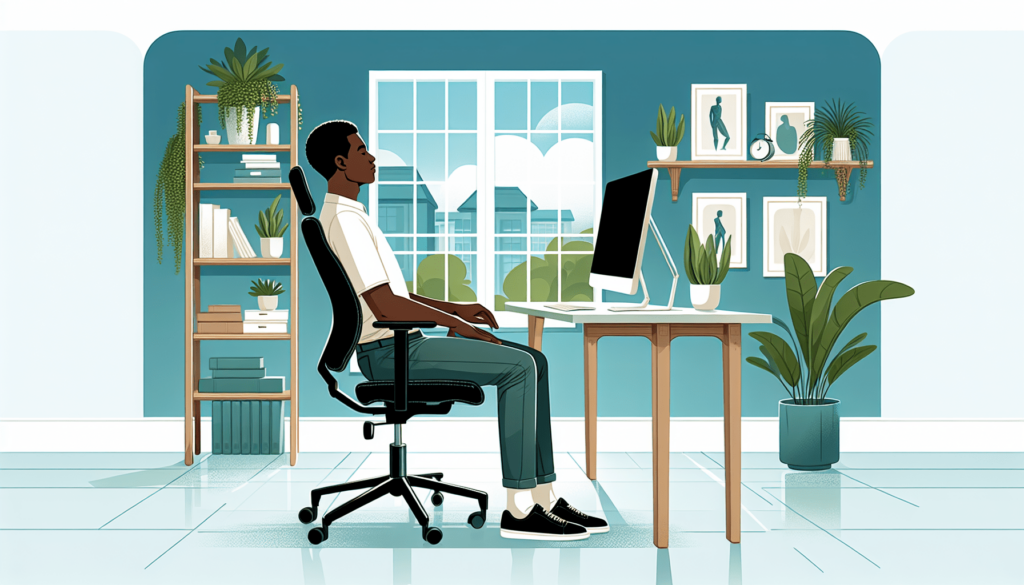
Have you ever found yourself slouching at your desk or hunching over your smartphone? Poor posture is a common issue that affects many people in today’s digital age. It’s not just about looking good; maintaining good posture is crucial for your overall health and well-being. In this guide, we will discuss some of the best ways to improve your posture and how these changes can lead to a healthier lifestyle.

Why Good Posture Matters
Proper posture is more than standing up straight to look your best. It plays a key role in your overall health and can prevent a range of conditions. When you have good posture, it helps in:
- Reducing Back and Neck Pain: Proper alignment of your spine reduces the strain on your muscles and ligaments.
- Improving Breathing: Good posture allows your lungs to expand fully, which can improve your breathing and oxygen intake.
- Boosting Confidence: Standing tall can improve your self-esteem and make you feel more powerful.
- Preventing Fatigue: Proper posture enables your muscles to work more efficiently, reducing fatigue.

Common Causes of Poor Posture
Understanding why you might have poor posture is the first step toward improvement.
Sedentary Lifestyle
Many of us spend long hours sitting, whether at a desk job or binge-watching TV shows. This sedentary behavior can lead to poor posture over time. When you sit for extended periods, your muscles can become weak and tight, particularly in your back and hips.
Technology Use
Devices like smartphones and laptops encourage poor posture. When you’re constantly looking down at your phone or hunching over your laptop, you’re putting strain on your neck and shoulders.
Lack of Physical Activity
Regular exercise strengthens the muscles needed to support good posture. A lack of physical activity can contribute to muscle weakness, which in turn affects your posture.
Improper Ergonomics
Your workspace setup can play a significant role. Incorrect chair height, monitor position, or keyboard placement can all contribute to poor posture.

Tips to Improve Your Posture
Here are some actionable tips to help you improve your posture.
#1: Be Mindful of Your Posture
Awareness is the first step in making any change. Begin by being mindful of your posture throughout the day.
Checkpoints for Good Posture:
- Head: Keep your ears aligned with your shoulders.
- Shoulders: Roll them back and down.
- Back: Keep it straight and avoid slouching.
- Feet: Keep them flat on the floor.
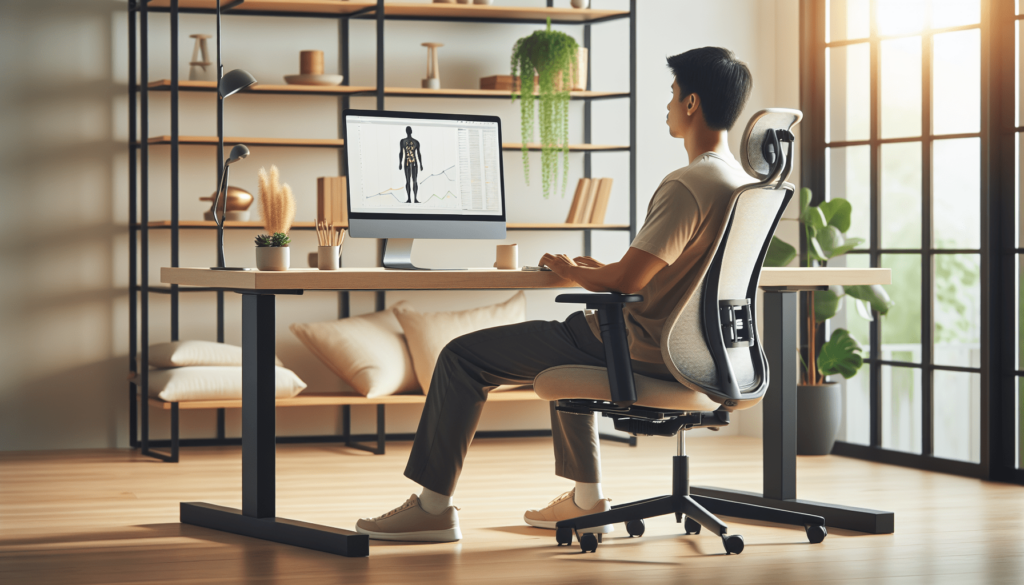
#2: Ergonomic Workspace
Your workstation should align with ergonomic principles to support better posture.
Adjust Your Chair:
- Height: Your feet should rest flat on the floor, and your knees should be at a 90-degree angle.
- Lumbar Support: Ensure your chair provides good lower back support.
Monitor and Keyboard:
- Monitor Position: Your eyes should be level with the top of the screen.
- Keyboard and Mouse: Keep them at a comfortable level to avoid straining your wrists.
#3: Strengthening Exercises
Certain exercises can help fortify the muscles that support good posture.
Core Strengthening:
- Planks: Hold a plank position to strengthen your core.
- Bridges: Lie on your back with your knees bent and lift your hips.
Back Strengthening:
- Rows: Use resistance bands or weights to perform rows.
- Superman: Lie face down, lift your arms and legs off the ground simultaneously.
#4: Flexibility Exercises
In addition to strengthening, it’s essential to work on flexibility.
Stretching:
- Hamstring Stretch: Sit with one leg extended and reach for your toes.
- Chest Stretch: Stand in a doorway, place your arms on the doorframe, and lean forward.
#5: Regular Breaks
Taking regular breaks from sitting can mitigate the adverse effects of prolonged sedentary periods.
Techniques:
- Pomodoro Technique: Work for 25 minutes, then take a 5-minute break.
- Desk Exercises: Simple exercises like shoulder rolls during breaks.
#6: Proper Footwear
Believe it or not, your shoes can affect your posture. High heels and flimsy shoes can contribute to poor posture.
Recommendations:
- Supportive Shoes: Opt for shoes with good arch support.
- Avoid High Heels: Limit the use of high heels to prevent misalignment of your spine.
#7: Sleep Position
Your sleeping position can also affect your posture.
Best Positions:
- Back: Sleeping on your back with a pillow under your knees.
- Side: If you sleep on your side, place a pillow between your knees.
Summary
Improving your posture is an ongoing process that requires a combination of mindfulness, proper ergonomics, regular exercise, and good habits. By following these tips, you can significantly improve your posture over time. Remember, good posture is not just about aesthetics; it’s vital for your health, confidence, and overall well-being.