
Have you ever wondered why your muscles ache after an intense workout or why professional athletes seem to recover so quickly? Understanding the science behind advanced recovery techniques can illuminate the benefits of these practices and how they can enhance your performance and well-being.
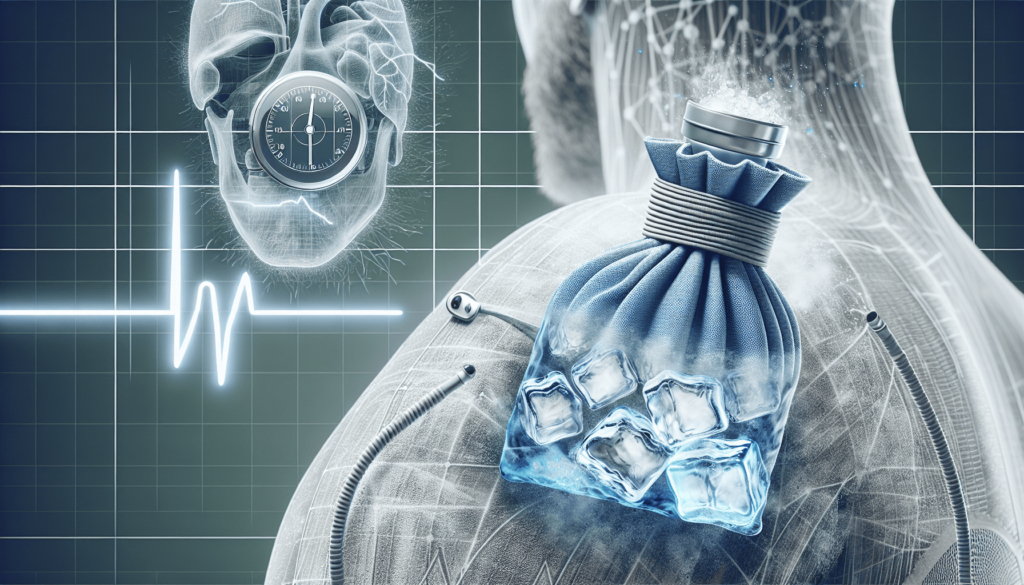
The Importance of Recovery
Recovery is crucial for athletes and fitness enthusiasts alike. It doesn’t merely involve resting but actively engaging in practices that help your muscles repair and grow, reduce soreness, and prepare your body for the next workout.
The Recovery Process
Your muscles undergo stress and micro-tears during exercise. The recovery process involves repairing these micro-tears, which leads your muscles to become stronger and more resilient. Adequate recovery also ensures that you’re ready for your next workout, preventing overtraining and injuries.
Key Phases of Recovery:
| Phase | Description |
|---|---|
| Immediate | Occurs right after exercise |
| Short-term | Usually within hours after exercise |
| Long-term | Spans from days to weeks, depending on the intensity and type of exercise |
Why Traditional Recovery Isn’t Always Enough
Traditional recovery methods like resting, hydrating, and eating well are essential but might not be enough for those who engage in high-intensity workouts or athletic competitions. This is where advanced recovery techniques come into play.
Types of Advanced Recovery Techniques
There are several advanced recovery techniques, each backed by scientific research and tailored to target specific aspects of the recovery process.
Cryotherapy
Cryotherapy involves using cold temperatures to reduce inflammation and pain. It’s a popular method among athletes and involves exposing the body to extremely cold temperatures for a short duration.
How Cryotherapy Works
Cryotherapy reduces blood flow to a particular area, which can significantly cut down inflammation and swelling. Once you get out of the cold environment, blood flow increases, speeding up the healing process.
Benefits and Considerations
- Reduces Muscle Soreness: By decreasing inflammation, cryotherapy can help reduce muscle soreness.
- Boosts Circulation: The rewarming process helps boost blood flow, delivering more nutrients and oxygen to muscles.
- Mental Benefits: The cold can have mood-lifting benefits and reduce stress levels.
| Pros | Cons |
|---|---|
| Reduces inflammation | Can be uncomfortable |
| Speeds up recovery | Not suitable for those with certain conditions |
Compression Therapy
Compression therapy uses pressure garments or devices to improve blood circulation, reduce swelling, and enhance recovery.
Mechanism of Compression Therapy
The pressure helps push fluid out of the muscles and tissues, reducing swelling and inflammation. Improved circulation also means more oxygen and nutrients are delivered to the cells, assisting in faster recovery.
Pros and Cons
- Enhanced Circulation: Improved blood flow accelerates the healing process.
- Reduced Swelling: Reduces muscle pain and fatigue by minimizing fluid retention.
- Convenience: Compression garments can be worn throughout the day.
| Pros | Cons |
|---|---|
| Improves circulation | Can feel restrictive |
| Reduces muscle pain | Might be uncomfortable for long durations |
Massage Therapy
Massage therapy involves manipulating the soft tissues of your body to reduce tension, pain, and discomfort.
Science of Massage Therapy
Massage can increase blood flow, reduce muscle tension, and promote relaxation. It can also lower cortisol levels while increasing serotonin and dopamine, making you feel better overall.
Different Types of Massage
- Swedish Massage: Focuses on relaxation and improving circulation.
- Deep Tissue Massage: Targets deeper layers of muscle and connective tissue.
- Sports Massage: Aims to prevent injuries and prepare muscles for athletic activity.
| Type | Benefit |
|---|---|
| Swedish Massage | Relaxation |
| Deep Tissue | Pain relief |
| Sports Massage | Injury prevention |
Active Recovery
Active recovery involves low-intensity exercise post workout to facilitate recovery.
Benefits of Active Recovery
Low-intensity activities, such as walking or yoga, help increase blood flow and remove waste products from muscles without adding stress.
| Activity | Intensity Level |
|---|---|
| Walking | Low |
| Yoga | Low to Medium |
| Swimming | Medium |
Electrical Muscle Stimulation (EMS)
EMS uses electrical impulses to cause muscles to contract, which can speed up the recovery process.
How EMS Works
The electrical impulses stimulate muscle contraction, mimicking the natural process that occurs when you voluntarily contract your muscles. This can help improve blood flow and muscle strength.
| Pros | Cons |
|---|---|
| Speeds up recovery | Equipment can be expensive |
| Can be used passively | Not suitable for those with heart issues |
Nutritional Strategies
Nutrition plays a key role in recovery by providing your body with the necessary fuel to repair and rebuild.
Types of Nutritional Strategies
- Protein: Essential for muscle repair and growth.
- Carbohydrates: Replenish glycogen stores.
- Antioxidants: Help reduce inflammation and oxidative stress.
| Nutrient | Role in Recovery |
|---|---|
| Protein | Muscle repair |
| Carbohydrates | Glycogen replenishment |
| Antioxidants | Reduces inflammation |
The Science of Sleep
Sleep is crucial for recovery, as it is the time when your body repairs and regenerates tissues. Lack of adequate sleep can impair your physical and mental performance.
Importance of REM Sleep
REM sleep is particularly important for cognitive functions and mood regulation. Sufficient REM sleep can enhance learning, memory, and emotional health.
| Stage of Sleep | Importance |
|---|---|
| REM | Cognitive function, mood |
| Deep Sleep | Physical restoration, muscle recovery |
The Role of Mindfulness and Mental Recovery
Mental stress can significantly impact your physical recovery. Mindfulness practices, such as meditation, can help reduce stress and improve your mental and physical health.
Meditation
Meditation involves focusing your mind on a particular object, thought, or activity to achieve mental clarity and emotional calmness. Studies show that meditation can lower cortisol levels, thereby reducing stress and aiding in recovery.
Benefits of Meditation
- Reduces Stress: Lowers levels of stress hormones.
- Improves Focus: Enhances your ability to concentrate.
- Promotes Relaxation: Helps you feel more relaxed and balanced.
| Benefit | Description |
|---|---|
| Reduces Stress | Lowers cortisol |
| Improves Focus | Enhances concentration |
Hydration’s Role in Recovery
Proper hydration is critical for recovery. Dehydration can lead to muscular cramps, fatigue, and decreased performance.
Importance of Electrolytes
Electrolytes like sodium, potassium, and magnesium are essential for maintaining fluid balance and muscle function. Replenishing these can help support optimal recovery.
| Electrolyte | Role |
|---|---|
| Sodium | Fluid balance |
| Potassium | Muscle function |
| Magnesium | Reduces muscle cramps |
Personalized Recovery Plans
One-size-fits-all recovery plans don’t exist since everyone’s body responds differently to various techniques. Personalized recovery plans can optimize your recovery and performance much more effectively.
Steps to Create a Personalized Recovery Plan
- Assess Your Needs: Determine the intensity and type of exercise you’re engaged in.
- Set Goals: Identify what you want to achieve, whether it’s muscle recovery, injury prevention, or mental well-being.
- Choose Techniques: Select the recovery methods that align best with your goals and lifestyle.
- Monitor Progress: Keep track of your recovery and adjust as needed.
| Step | Description |
|---|---|
| Assess Needs | Evaluate exercise intensity |
| Set Goals | Identify recovery goals |
| Choose Techniques | Select suitable methods |
| Monitor Progress | Track and adjust recovery |
Conclusion
Understanding the science behind advanced recovery techniques allows you to make informed decisions about your post-exercise routines. From cryotherapy to mindfulness practices, each method offers unique benefits that can enhance your overall well-being and athletic performance. Whether you are a professional athlete or a fitness enthusiast, integrating these advanced techniques into your recovery regimen can lead to more effective training and improved long-term health.
Feel free to experiment with different techniques and monitor how your body responds to find the most effective recovery plan tailored to your needs. The path to optimal recovery might require some trial and error, but the benefits are well worth the effort.