
Have you ever wondered which jump rope is best for your fitness goals? Jumping rope is an amazing way to get a full-body workout, but the type of rope you choose can make a significant difference. Whether you’re a beginner looking to get started or a seasoned athlete aiming to elevate your training, understanding the various types of jump ropes and their specific benefits can help you make the right choice.

Understanding Jump Ropes
Jump ropes come in various shapes and sizes, each designed for specific types of workouts. Knowing the different types can help you select the right one based on your fitness objectives. Below, you will find detailed information on some of the most common types of jump ropes and their benefits.
Basic Jump Ropes
Basic jump ropes are the simplest form of jump ropes and are often made from materials like plastic, leather, or nylon. They are perfect for beginners who are just getting started with their fitness journey.
Benefits:
- Ease of Use: These ropes are straightforward and uncomplicated, making them ideal for those new to jumping rope.
- Affordability: Basic jump ropes are generally inexpensive, so you can start without making a significant investment.
- Versatility: Suitable for a variety of simple exercises, including basic jumping, crisscrosses, and side swings.
Speed Ropes
Speed ropes are designed with lightweight materials and have thin cables, allowing for faster turns. They are an excellent choice if your primary goal is to improve speed and agility.
Benefits:
- Improves Speed: The lightweight design and thin cables help you achieve faster spins, enhancing your speed and agility.
- Burns Calories Quickly: The rapid turning of the rope leads to a higher calorie burn in a shorter amount of time.
- Enhances Coordination: Speed ropes require precise timing and coordination, which can transfer to other sports and physical activities.
Weighted Jump Ropes
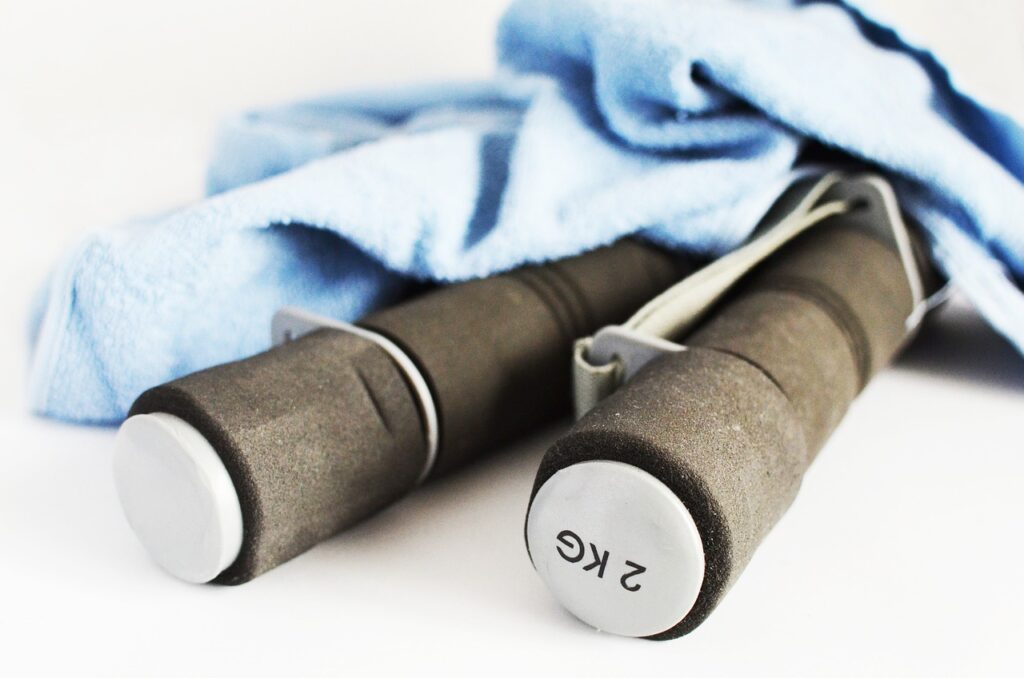
Weighted jump ropes have small weights in the handles or thicker, heavier cables. These are perfect for building upper body strength and increasing the intensity of your workouts.
Benefits:
- Builds Strength: The added weight helps develop muscle strength in your arms, shoulders, and core.
- Enhances Endurance: The additional resistance makes each jump more challenging, thereby improving endurance over time.
- Intensifies Workouts: Weighted ropes can turn a simple jumping session into a high-intensity workout.
Beaded Jump Ropes
Beaded jump ropes feature segmented plastic beads strung together over a cord. They are often used in rhythmic jumping and for teaching beginners.
Benefits:
- Durability: The beads add weight, making the rope more durable and less likely to tangle.
- Better Rhythm Control: The audible sound of the beads hitting the ground helps maintain a consistent rhythm.
- Suitable for Beginners: The extra weight from the beads makes turning the rope easier, providing better feedback for beginners learning the proper technique.
Ropeless Jump Ropes
Ropeless jump ropes have handles with weighted balls attached, simulating the motion of a jump rope without an actual rope. These are useful for those who want to avoid tripping or have limited space.
Benefits:
- Prevents Tripping: Without the rope, you eliminate the risk of tripping, making it safer for beginners.
- Convenient for Tight Spaces: Perfect for use in confined areas, such as small apartments.
- Maintains Intensity: Despite the absence of a rope, the weights in the handles provide resistance, ensuring you still get an effective workout.
Leather Jump Ropes
Leather jump ropes are more traditional and have been used for boxing and other athletic training. They provide a smoother, consistent feel and often come with wooden or cushioned handles.
Benefits:
- Smooth Motion: The leather material glides smoothly, offering a consistent rhythm and feeling.
- Durable: Leather ropes are sturdy and can withstand heavy use, making them a long-lasting option.
- Professional Use: Commonly used by boxers and athletes for improving footwork and coordination.
Digital Jump Ropes
Digital jump ropes come equipped with counters that track your jumps, calories burned, and sometimes even heart rate. This type is excellent for those who love tracking their progress.
Benefits:
- Progress Tracking: Built-in counters and digital displays allow you to monitor jumps, calories, and other metrics.
- Motivation: Seeing your progress in real-time can be highly motivating.
- Advanced Features: Some digital ropes offer additional features like workout timers and heart rate monitors.
Key Comparisons
To help you decide which type of jump rope might be best for you, here’s a comparison table outlining the core benefits of each type:
| Jump Rope Type | Best For | Key Benefits |
|---|---|---|
| Basic Jump Rope | Beginners, General Fitness | Easy to use, affordable, versatile |
| Speed Rope | Speed Training | Improves speed, burns calories quickly, enhances coordination |
| Weighted Jump Rope | Strength Training | Builds strength, enhances endurance, intensifies workouts |
| Beaded Jump Rope | Rhythmic Training, Beginners | Durable, better rhythm control, suitable for beginners |
| Ropeless Jump Rope | Safety, Small Spaces | Prevents tripping, convenient for tight spaces, maintains intensity |
| Leather Jump Rope | Professional Training | Smooth motion, durable, used by athletes |
| Digital Jump Rope | Progress Tracking | Tracks jumps and calories, motivational, advanced features |

How to Choose the Right Jump Rope
Choosing the right jump rope depends on your fitness goals, skill level, and personal preferences. Here’s a guide to help you make the best choice:
Identify Your Fitness Goals
- Improving Speed and Agility: Opt for a speed rope.
- Building Upper Body Strength: A weighted rope would be ideal.
- Avoiding Tripping: Consider a ropeless jump rope.
- General Fitness: A basic jump rope will suffice.
Consider Your Experience Level
- Beginners: Basic or beaded jump ropes are great.
- Intermediate: Speed ropes offer a good challenge.
- Advanced: Weighted or leather ropes can provide the extra intensity you need.
Factor in Space and Convenience
- Limited Space: Ropeless jump ropes are perfect for tight areas.
- Outdoor Use: A durable leather or beaded rope can withstand outdoor conditions.
Budget Considerations
- Low Budget: Basic and beaded ropes are generally very affordable.
- Higher Budget: Leather and digital ropes tend to be more expensive but offer additional features and durability.
Proper Jump Rope Technique
Using the correct technique is crucial for maximizing the benefits of your jump rope workout and avoiding injury.
Basic Jumping Technique
- Stand Up Straight: Keep your head up, back straight, and eyes forward.
- Elbows In: Your elbows should be close to your body.
- Wrists Do the Work: Use your wrists to turn the rope, not your arms.
- Jump Low: Aim for small, quick jumps, just enough to clear the rope.
- Consistent Rhythm: Maintain a steady pace and rhythm.
Advanced Techniques
As you become more comfortable, you can try more advanced techniques such as:
- Double Unders: Passing the rope twice under your feet with one jump.
- Crisscross: Crossing your arms in front of you while jumping.
- High Knees: Lifting your knees high up towards your chest as you jump.
Incorporating Jump Rope into Your Workout Routine
Jumping rope can be a versatile addition to any workout routine. Here are some ways to incorporate it effectively:
Warm-Up
Use a basic jump rope for 5-10 minutes as a warm-up to get your heart rate up and muscles ready.
High-Intensity Interval Training (HIIT)
Include speed ropes or weighted jump ropes in your HIIT routines. For example, alternate between 30 seconds of intense jumping and 30 seconds of rest.
Cool Down
End your workout with a lower intensity jump rope session to cool down, using a basic or ropeless jump rope.
Skill Development
Practice specific jump rope techniques, such as double unders or crisscrosses, to improve coordination and agility.
Common Mistakes to Avoid
While jumping rope is relatively simple, some common mistakes can hinder your progress or even lead to injury.
Using the Wrong Rope Length
The length of your jump rope plays a significant role in your ability to jump efficiently. A rope that’s too long or too short can interfere with your rhythm.
Solution: To find the right length, stand on the middle of the rope with one foot and pull the handles up. The handles should reach armpit height.
Jumping Too High
Jumping excessively high can tire you out quickly and increase the impact on your joints.
Solution: Aim for small, efficient jumps that just clear the rope.
Poor Form
Incorrect form can lead to fatigue and potential injury.
Solution: Maintain good posture, keep your elbows close to your body, and use your wrists to turn the rope.
Inconsistent Practice
Like any skill, consistency is key for improvement. Inconsistent practice can slow down your progress.
Solution: Set a regular schedule for your jump rope workouts, even if it’s just a few minutes each day.
Overcomplicating Movements
Starting with advanced techniques before mastering the basics can be overwhelming and discouraging.
Solution: Begin with basic jumps and gradually introduce more complex moves as your skill level improves.
Health Benefits of Jumping Rope
Jumping rope offers numerous health benefits, making it an excellent choice for overall fitness. Here are some of the key advantages:
Cardiovascular Health
Jumping rope gets your heart rate up and is an effective way to improve cardiovascular endurance. Regular practice can reduce the risk of heart disease and improve circulation.
Weight Loss
Due to the high calorie burn, jumping rope is a fantastic option for those looking to lose weight. Combining regular jump rope sessions with a balanced diet can yield significant results.
Improved Coordination and Balance
The rhythmic nature of jumping rope requires good timing and coordination, which can enhance your overall balance and agility.
Bone Density
The impact from jumping helps improve bone density, which can be particularly beneficial for older adults in preventing osteoporosis.
Mental Health
The physical exertion from jumping rope releases endorphins, the body’s natural mood lifters. This can help alleviate stress and improve mental well-being.
Integrating Jump Rope with Other Exercises
Combining jumping rope with other exercises can create a well-rounded fitness routine that targets multiple muscle groups and improves overall conditioning.
Circuit Training
Include jumping rope as one of the stations in your circuit training regimen. For example, you can rotate through stations of bodyweight exercises like push-ups, squats, and planks, with a jump rope station in between each.
Strength Training
Use jumping rope as a cardio component in your strength training routine. For example, perform a set of weighted exercises like deadlifts or bench presses, then follow up with a 1-2 minute jump rope session.
Endurance Training
Incorporate longer jump rope sessions into your endurance training to build stamina. Gradually increase the duration of your jump rope sessions as your endurance improves.
Plyometric Training
Plyometric exercises improve explosive power and are an excellent complement to jumping rope. Combine jump rope sessions with exercises like box jumps, burpees, and plyometric push-ups for a high-intensity workout.
Tips for Jump Rope Maintenance
Proper maintenance of your jump rope can extend its lifespan and ensure that you continue to get the most out of your workouts.
Store Properly
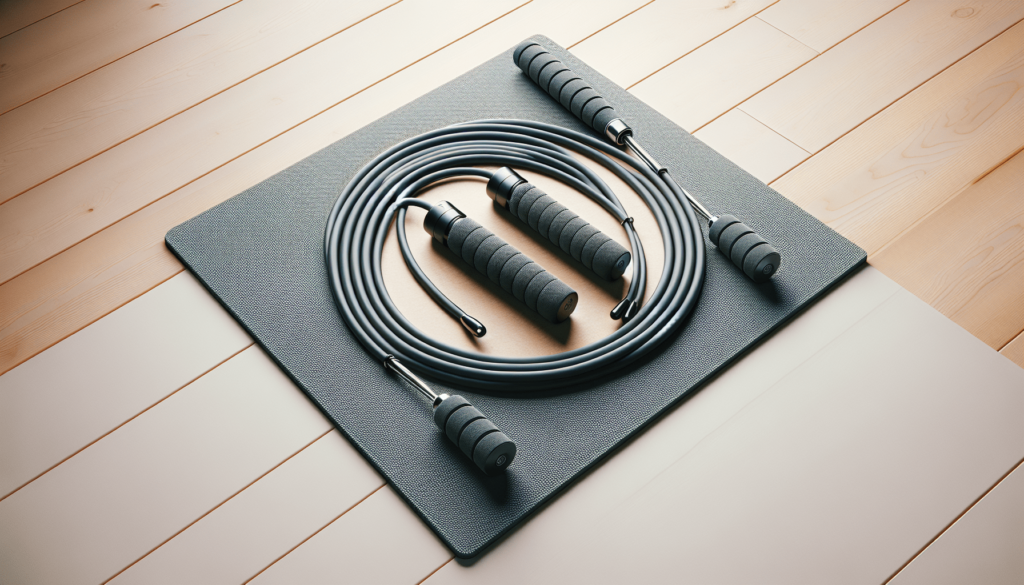
Always store your jump rope in a cool, dry place. Avoid wrapping the rope too tightly around the handles, as this can cause kinks or damage to the material.
Clean Regularly
Wipe down your jump rope with a damp cloth to keep it clean, especially if you use it outdoors. For beaded or leather ropes, ensure the beads or leather segments are dry before storage.
Check for Wear and Tear
Regularly inspect your jump rope for signs of wear and tear, particularly the handles and cable. Replace the rope or handles if you notice any damage.
Adjust Length as Needed
If you share your jump rope or use it on varying surfaces, you might need to adjust the length periodically. Keep track of your preferred length settings for consistent performance.
Conclusion
Jumping rope is more than just a childhood pastime; it’s a versatile, effective exercise that can fit into virtually any fitness routine. By understanding the different types of jump ropes and their benefits, you can tailor your workouts to meet specific fitness goals, from improving cardio to building strength. Remember to choose the right type of jump rope based on your needs, practice proper technique, and integrate your jump rope sessions with other exercises for maximum benefits. With the right approach, a jump rope can be a powerful tool to enhance your overall fitness and well-being.