
Have you ever wondered how physical activity might benefit your mental health? In today’s fast-paced world, the link between the mind and body is more crucial than ever. By focusing on workout routines that support mental wellness, you can integrate fitness into your life in a way that not only benefits your body but also enhances your mood, reduces anxiety, and boosts your overall well-being.

The Connection Between Exercise and Mental Health
The relationship between physical exercise and mental well-being is well-documented. Exercise can help release endorphins, which act as natural mood lifters, and provide you with a sense of achievement. It can also offer a distraction from daily stressors and give you some much-needed mental clarity.
Endorphins and Mood Improvement
Endorphins are chemicals produced by the brain that act as natural painkillers and mood elevators. When you exercise, your body releases these endorphins, which can create a feeling of euphoria often referred to as a “runner’s high.” This boost in mood can be particularly helpful for combating symptoms of depression and anxiety.
Stress Reduction Through Physical Activity
Physical activity can serve as an effective way to manage and reduce stress. By engaging in regular workouts, you can lower levels of the body’s stress hormones, such as adrenaline and cortisol. Additionally, exercise can improve your body’s ability to respond to stressors by enhancing the parasympathetic nervous system, which is responsible for “rest and digest” activities.
Types of Workouts for Mental Health
Different types of workouts offer unique benefits for mental health. Here’s a look at various exercise routines that you might find particularly effective:
Aerobic Exercises
Aerobic exercises, also known as cardio, can significantly impact mental health. These exercises usually involve sustained physical activity that elevates your heart rate and improves your breathing. Running, swimming, and cycling are all excellent examples of aerobic exercises.
Strength Training
Strength training involves the use of resistance to induce muscular contraction, which builds strength and anaerobic endurance. Weight lifting and bodyweight exercises like push-ups and squats not only build muscle but also enhance mental resilience and self-confidence.
Yoga and Mindfulness Practices
Yoga and mindfulness exercises are designed to unite the body and mind through physical postures, breath control, and meditation. These activities can help you achieve a greater sense of peace and relaxation, making them highly effective for managing stress and anxiety.
Team Sports and Group Workouts
Engaging in team sports or group fitness classes can offer social interaction benefits. Being part of a team or group not only fosters a sense of community but also provides emotional support, which can be invaluable for maintaining mental health.
How to Create a Balanced Workout Routine for Mental Health
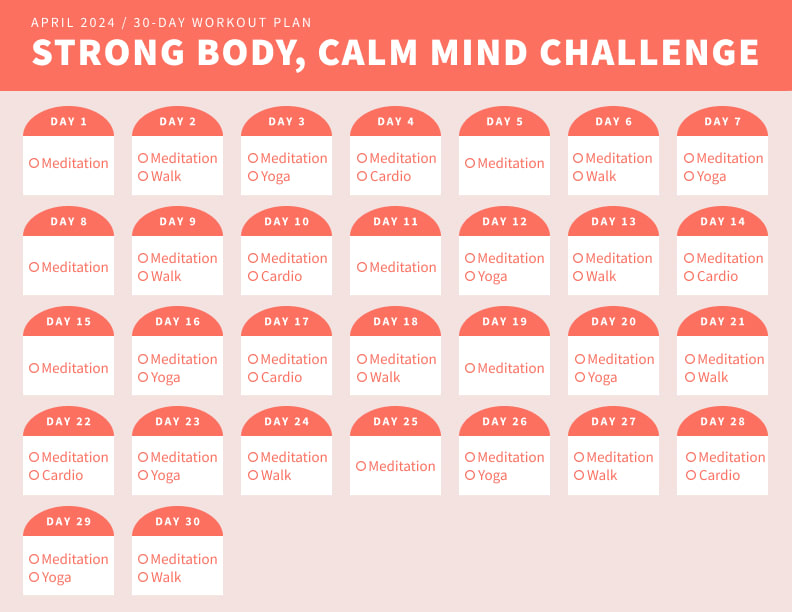
Crafting a workout routine that targets mental health involves balancing different types of exercises. You should aim to incorporate a variety of activities to cover aerobic fitness, strength training, flexibility, and mindfulness.
| Day | Workout Type | Duration |
|---|---|---|
| Mon | Aerobic Exercise | 30-45 minutes |
| Tue | Strength Training | 30-45 minutes |
| Wed | Yoga | 45-60 minutes |
| Thu | Aerobic Exercise | 30-45 minutes |
| Fri | Strength Training | 30-45 minutes |
| Sat | Team Sports | 60-90 minutes |
| Sun | Rest/Light Yoga | 20-30 minutes |
Setting Realistic Goals
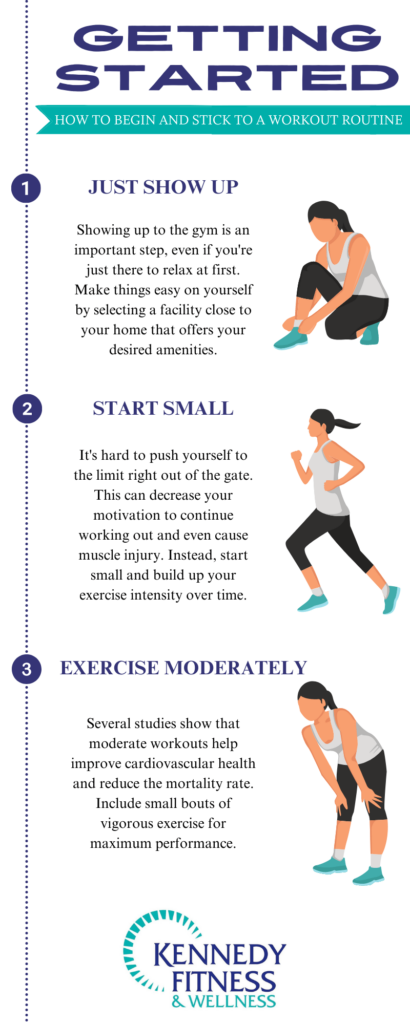
Setting achievable goals is crucial for maintaining motivation and consistency. Start with small, manageable objectives and gradually increase the intensity and duration of your workouts. Track your progress and celebrate small victories to keep up your motivation.
Listening to Your Body
Listening to your body is essential for preventing injuries and ensuring that your workout routine remains a positive experience. If you feel overly fatigued or experience pain, it’s important to take a break and allow your body to recover.
The Role of Nutrition in Mental Health
Your diet plays a significant role in how you feel mentally. Proper nutrition can enhance the effects of your workout routine and contribute to improved mental health.
Balanced Diet
A balanced diet that includes a variety of fruits, vegetables, lean proteins, and whole grains can provide the necessary nutrients your brain and body need to function optimally. Foods rich in Omega-3 fatty acids, like salmon and walnuts, are particularly beneficial for brain health.
Hydration
Staying hydrated is essential for your overall well-being. Dehydration can lead to fatigue, anxiety, and difficulties in concentrating. Make sure to drink an adequate amount of water, especially when engaging in physical activities.
Avoiding Processed Foods
Processed foods and those high in sugar can have a negative impact on your mental health. Try to minimize these foods in your diet and opt for healthier alternatives to maintain better mood stability.
Practical Tips for Getting Started
Taking the first step toward integrating a workout routine for mental health can be daunting, but it’s doable with the right strategies.
Find What You Enjoy
The most effective workout routine is one that you enjoy. Experiment with different activities to discover what makes you happy and keeps you motivated. It could be anything from a dance class to hiking in nature.
Schedule Your Workouts
Consistency is key to reaping the mental health benefits of exercise. Schedule your workouts just like you would any other important activity. Having a dedicated time slot can make it easier to stick to your routine.
Pair Up
Working out with a friend or joining a fitness group can make exercise more enjoyable and provide accountability. Social interaction can also boost your mood and provide emotional support.
Use Technology
There are numerous fitness apps and online resources available to help guide your workouts and track your progress. Many apps even offer mental wellness features, such as guided meditations and stress-relief exercises.
Overcoming Common Obstacles
It’s natural to face challenges when starting a new workout routine. Here are some common obstacles and how to overcome them:
Lack of Time
Finding time to exercise can be a significant barrier. Try to integrate physical activity into your daily routine by taking short breaks to move around, opting for active commuting, or splitting your workout into shorter sessions throughout the day.
Lack of Motivation
Staying motivated can be difficult, especially in the early stages. Set small, attainable goals and reward yourself for meeting them. Surround yourself with a supportive community and remind yourself of the mental health benefits that await you.
Physical Limitations
Physical limitations or chronic conditions can make certain exercises challenging. Consult with a healthcare provider to create a personalized workout plan that takes your abilities and restrictions into account.
Importance of Professional Guidance
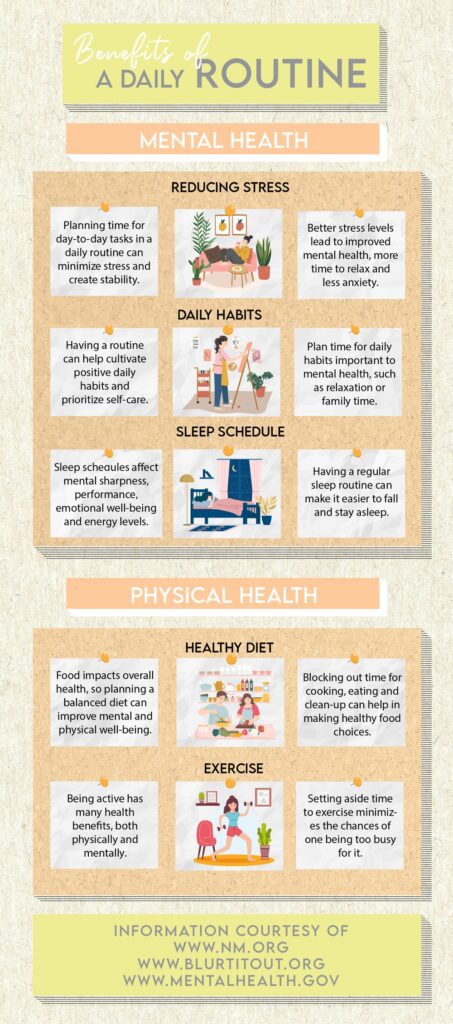
Consulting with professionals can provide valuable insights and support for creating an effective workout routine for mental health.
Personal Trainers
A certified personal trainer can design a customized workout plan that aligns with your mental health goals. They can also ensure that you perform exercises correctly to avoid injury.
Mental Health Professionals
Therapists and mental health counselors can offer advice on how to integrate physical activity into your mental health treatment plan. They may also provide strategies for coping with stress and anxiety.
Nutritionists
A registered dietitian or nutritionist can help create a meal plan that supports your mental and physical health. They can offer guidance on food choices and supplementation to enhance your overall well-being.
The Long-Term Benefits of Exercise on Mental Health
The benefits of integrating a workout routine for your mental health extend beyond immediate mood boosts and stress reduction. Long-term exercise can lead to lasting improvements in mental resilience, cognitive function, and emotional well-being.
Emotional Resilience
Regular physical activity can help build emotional resilience by enhancing your ability to cope with stress and adversity. This, in turn, can make you more adaptable and better equipped to handle life’s challenges.
Cognitive Function
Exercise has been shown to improve cognitive function, including memory, attention, and executive function. These cognitive benefits can contribute to better mental health by enhancing your ability to learn, focus, and make decisions.
Social Connections
Engaging in group activities or team sports can foster meaningful social connections. Strong social ties are a critical component of mental health, offering emotional support, companionship, and a sense of belonging.

Conclusion
Incorporating a workout routine aimed at enhancing mental health can lead to profound and lasting benefits. By understanding the types of exercises that are most effective, creating a balanced routine, and overcoming common obstacles, you can pave the way for a healthier mind and body. Remember to set realistic goals, listen to your body, and seek professional guidance when needed. With dedication and perseverance, you can harness the power of physical activity to improve your mental well-being, making every day a little brighter and more manageable.