
Have you ever wondered how you can support the tiny organisms that reside in your gut, working tirelessly to keep you healthy? The world of gut bacteria is fascinating and crucial to your overall well-being. Your gut houses a vast community of microorganisms that play a significant role in digestive health, immune function, and even mental well-being. In this article, we’ll discuss the top foods you should consume for healthy gut bacteria.
Importance of Gut Health
You might not realize it, but your gut is home to trillions of bacteria and other microorganisms—collectively known as the gut microbiota. These organisms are essential for various bodily functions, including breaking down food, producing vitamins, and protecting against harmful pathogens. Maintaining a balanced gut microbiota is vital for good health.
Role of Gut Bacteria in Overall Health
Gut bacteria have far-reaching effects on your entire body. They help in metabolizing nutrients, regulate your mood through the gut-brain axis, and even modulate immune responses. An imbalance in gut bacteria can lead to various health issues such as obesity, diabetes, and autoimmune diseases.
Signs of an Unhealthy Gut
How can you tell if your gut is out of balance? Common signs include bloating, constipation, diarrhea, fatigue, and even skin problems like eczema. Being aware of these symptoms can help you take action to improve your gut health.
Benefits of a Healthy Gut Microbiota
Having a balanced gut microbiota can offer several benefits. Understanding these will help you appreciate why it’s essential to nourish your gut with the right foods.
Enhanced Digestion
Your gut bacteria help in breaking down complex carbohydrates, fibers, and proteins, making it easier for your body to absorb essential nutrients.
Strengthened Immune System
A significant portion of your immune system resides in your gut. A healthy microbiota can protect you against infections and reduce inflammation.
Improved Mental Health
The gut-brain axis is a well-studied connection that highlights how gut bacteria can influence your mood and mental well-being. Consuming foods that promote a healthy gut can, therefore, contribute to reduced stress and anxiety levels.
Prebiotics and Probiotics: The Dynamic Duo
Before diving into specific foods, it’s essential to understand two key terms: prebiotics and probiotics. Both play crucial roles in maintaining a healthy gut microbiota.
Understanding Prebiotics
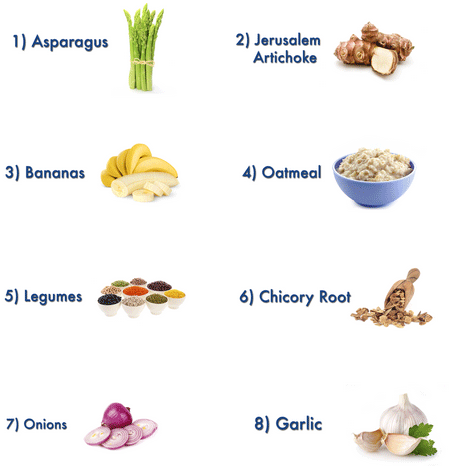
Prebiotics are essentially food for your beneficial gut bacteria. They are non-digestible fibers found in various foods that promote the growth and activity of good bacteria.
Understanding Probiotics
Probiotics are live beneficial bacteria that, when consumed in adequate amounts, provide multiple health benefits. They can be found in specific foods and supplements.
Top Foods to Consume for Healthy Gut Bacteria
Now that you understand the importance of a balanced gut microbiota, let’s look at the top foods to include in your diet for a healthier gut.
Fermented Foods
Fermented foods are one of the best sources of probiotics. These foods have gone through a process of lacto-fermentation, where natural bacteria feed on the sugar and starches in the food, producing lactic acid.
Yogurt
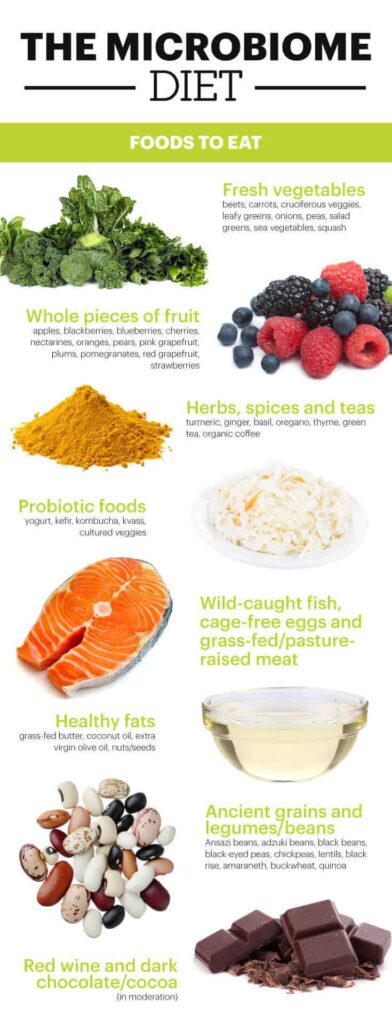
Yogurt is perhaps the most well-known probiotic food. It contains live cultures of bacteria like Lactobacillus and Bifidobacterium. When choosing yogurt, opt for those labeled “live and active cultures.”
Kefir
Kefir is a fermented milk drink that is rich in probiotics and more potent than yogurt. It’s also suitable for those who are lactose intolerant, making it a versatile choice.
Sauerkraut
Sauerkraut is fermented cabbage that offers a high concentration of probiotics, fiber, and vitamins. Ensure you go for the unpasteurized version, as pasteurization kills beneficial bacteria.
Kimchi
Kimchi is a traditional Korean dish made from fermented vegetables and seasoned with various spices. It’s not only rich in probiotics but also packed with vitamins A and C.
Miso
Miso is a Japanese seasoning produced by fermenting soybeans with salt and a type of fungus. When consumed, it introduces beneficial bacteria into your gut.
High-Fiber Foods
Fiber is crucial for gut health, primarily because it acts as a prebiotic. Consuming various high-fiber foods can significantly improve your gut flora.
Whole Grains
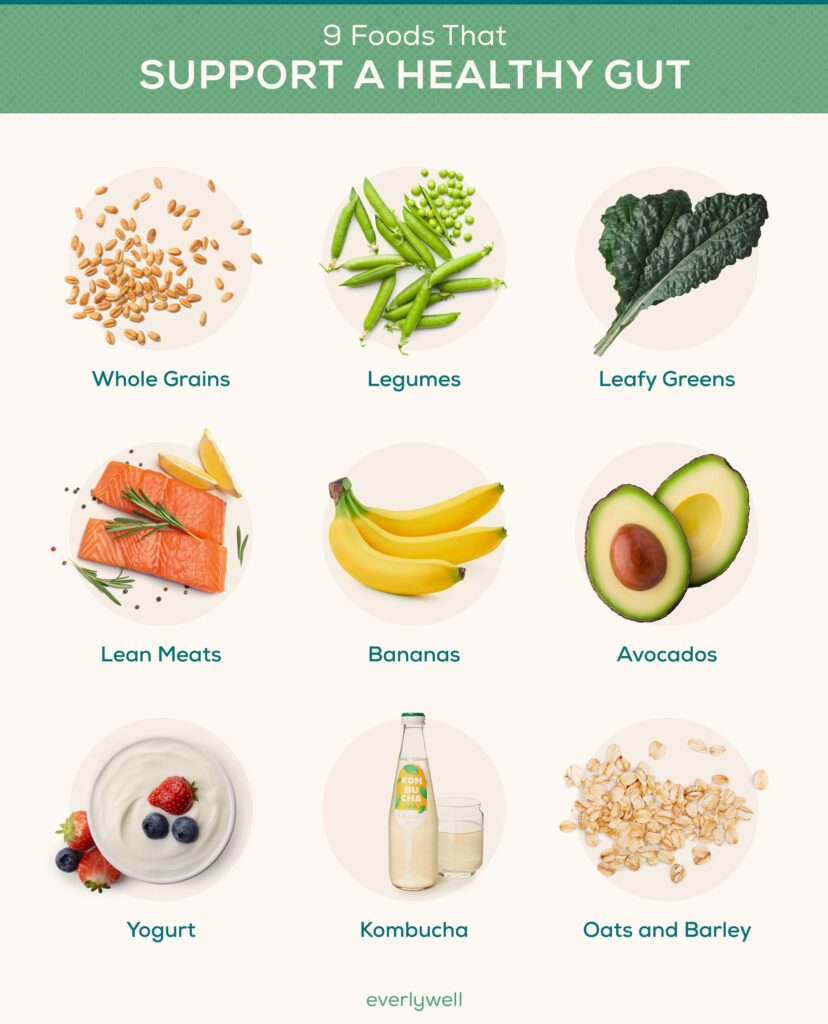
Whole grains such as oats, barley, and quinoa are excellent sources of dietary fiber. They feed the beneficial bacteria in your gut, promoting their growth.
| Whole Grains | Key Benefits |
|---|---|
| Oats | High in beta-glucan, aids in digestion |
| Barley | Rich in soluble fiber, supports gut health |
| Quinoa | High protein and fiber content |
Fruits
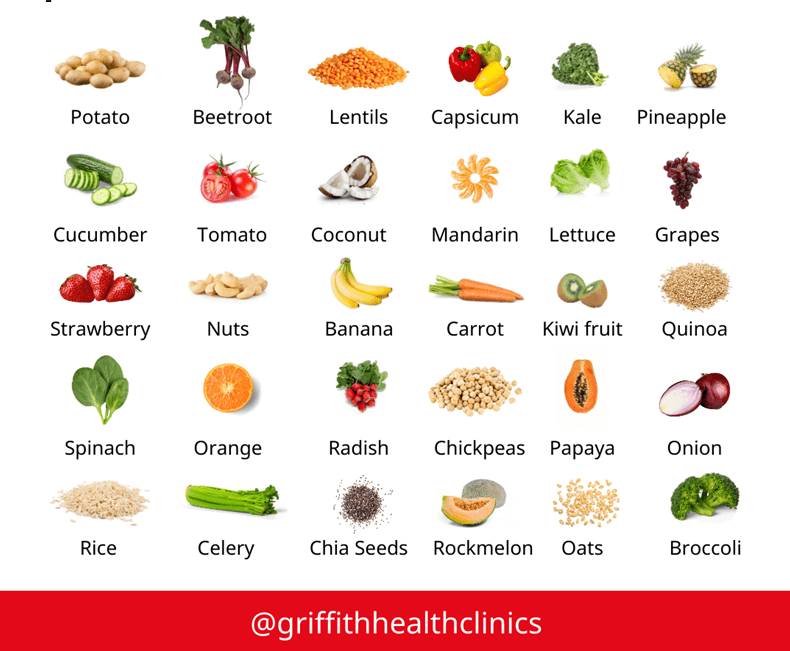
Fruits are not only rich in vitamins and antioxidants but also high in dietary fiber.
| Fruits | Key Benefits |
|---|---|
| Apples | High in pectin, a type of prebiotic fiber |
| Bananas | Contains inulin, promotes beneficial bacteria |
| Berries | Rich in antioxidants and fiber |
Vegetables
Vegetables should be a staple in your diet for gut health due to their high fiber content.
| Vegetables | Key Benefits |
|---|---|
| Artichokes | High in inulin, supports gut bacteria |
| Asparagus | Rich in prebiotics and antioxidants |
| Broccoli | Contains sulforaphane, promotes gut health |
Legumes and Pulses
Legumes such as lentils, beans, and chickpeas offer high amounts of dietary fiber, acting as prebiotics for your gut bacteria.
| Legumes/Pulses | Key Benefits |
|---|---|
| Lentils | High in both soluble and insoluble fiber |
| Chickpeas | Contains resistant starch, promotes gut health |
| Black Beans | High in prebiotic fiber |
Nuts and Seeds
Nuts and seeds are packed with fiber, healthy fats, and protein, making them ideal for a gut-friendly diet.
| Nuts/Seeds | Key Benefits |
|---|---|
| Almonds | High in fiber, promotes beneficial bacteria |
| Chia Seeds | Rich in omega-3 and dietary fiber |
| Flaxseeds | Contains lignans and fiber, supports gut health |
Implementing Gut-Healthy Foods into Your Diet
Now that you know which foods to include, the next step is learning how to incorporate them into your daily routine. Here are some practical tips.
Start with Breakfast
Choose gut-friendly options like yogurt or kefir smoothies. Add some fruits and seeds for an extra fiber boost.
Midday Snacks
Opt for nuts, seeds, or prebiotic-rich fruits like apples and bananas for a quick and easy snack.
Lunch and Dinner
Include a portion of fermented foods like kimchi or sauerkraut as a side dish. Ensure that your meals are packed with fiber-rich vegetables and legumes.
Stay Hydrated
Drinking plenty of water is crucial for fiber to do its job effectively. Aim for at least eight glasses a day.
Foods to Avoid for a Healthy Gut
Just as there are foods that can benefit your gut, some can be detrimental. Being aware of these can help you make better dietary choices.
Processed Foods
Processed foods are generally high in sugar, unhealthy fats, and low in fiber, making them unsuitable for gut bacteria.
Artificial Sweeteners
Artificial sweeteners like aspartame can negatively impact your gut microbiota, reducing the levels of beneficial bacteria.
Excessive Alcohol
Moderate to high alcohol consumption can harm your gut bacteria and lead to imbalances.
Red Meat
While not harmful in moderation, high red meat consumption can lead to an increased risk of gut inflammation and other health issues.
Conclusion
Taking care of your gut health is more about adding beneficial foods to your diet than making drastic changes. Foods rich in probiotics, prebiotics, and fiber can significantly improve your gut microbiota. By incorporating these foods and avoiding harmful ones, you’ll be well on your way to a healthier gut, and by extension, a healthier you. Remember, small changes can lead to significant improvements in your overall well-being. Happy eating!